
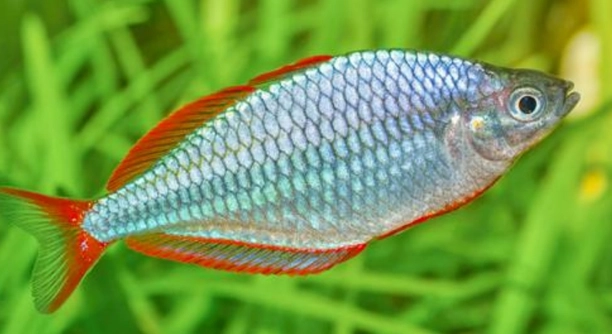
Rainbow fish are popular pets known for their vibrant colors and active nature. You may wonder whether their behavior and personality change over time. Understanding this could help improve their care and enhance their experience in your tank.
Rainbow fish can change their behavior and personality as they age. Factors such as environmental conditions, social dynamics, and individual health contribute to these changes. Younger fish may be more active, while older fish can become more territorial or calm.
As you continue reading, you’ll learn about the key factors that influence these personality shifts and how to best care for your rainbow fish at every stage of their life.
The Factors That Influence Rainbow Fish Personality
Rainbow fish personality changes are largely influenced by their environment. These fish thrive in stable, well-maintained tanks. Sudden changes in water temperature, pH levels, or the presence of pollutants can stress them, making them more likely to act differently. For instance, if the tank is too small, rainbow fish may become more aggressive or territorial. Fish kept in larger, more spacious tanks tend to be more relaxed and confident.
Social dynamics also play a big role. If rainbow fish are kept with more aggressive species, they may become timid. On the other hand, if they’re housed with other peaceful fish, their personality may remain vibrant and social.
Feeding habits can also impact their behavior. Fish that are well-fed and receive a balanced diet tend to be more active and display brighter colors. This makes it essential to maintain a proper feeding routine for their health and behavior.
Rainbow Fish in Different Life Stages
The age of a rainbow fish also affects its personality. Younger fish are generally more playful and active, constantly exploring and interacting with other fish. As they mature, some rainbow fish may become more reserved or territorial, especially during breeding season.
Older fish, however, may appear less interested in social interactions, preferring to stick to a routine and keep to themselves. This change is natural and is part of the aging process. They may still be active but tend to exhibit more predictable behavior. This is why understanding these stages can help you provide the best care.
By observing how your rainbow fish behaves at different stages, you can adjust tank conditions, social companions, and feeding practices to help them feel comfortable. Keeping a consistent environment will also help reduce stress and keep their personalities stable.
Social Interactions and Rainbow Fish Behavior
The behavior of rainbow fish changes based on who they’re sharing the tank with. They can be social and calm if kept with peaceful species, but they may act defensively around more aggressive fish. Their response often depends on the balance of power in the tank.
When rainbow fish feel threatened by larger or more dominant tank mates, they may become more withdrawn or defensive. This is particularly noticeable during feeding times, where they might be more aggressive in competing for food. If kept with similarly sized peaceful fish, rainbow fish tend to thrive and stay active. Their colors also become brighter when they feel safe and secure in their environment.
Maintaining harmony in the tank is essential to ensure that rainbow fish can develop positive social behaviors. A peaceful community encourages them to remain active and curious, rather than fearful or territorial. You’ll also notice that they may show more affection or interest toward other species when they feel safe.
Environmental Changes and Their Impact
Environmental changes are a key factor in altering a rainbow fish’s behavior. If the water temperature fluctuates too much or if the pH becomes unstable, these fish may act nervously. This often leads to aggression, isolation, or stress.
The introduction of new elements, such as different water conditions or changes in tank decor, may cause a shift in how rainbow fish interact with their environment. When exposed to stressors like these, they tend to retreat to corners or hide, avoiding interaction with other fish. A stable environment, with controlled factors such as water flow, temperature, and substrate, will help them feel secure.
Investing in a good water filtration system and monitoring the water regularly can prevent these sudden changes. Ensuring that your rainbow fish live in consistent conditions will allow them to remain calm, vibrant, and confident. It’s a small change that can make a noticeable difference in their overall well-being.
Tank Size and Fish Behavior
Tank size plays a big role in how rainbow fish behave. Smaller tanks can make them feel cramped, leading to stress or territorial aggression. Larger tanks, on the other hand, allow them more freedom to swim and explore, leading to more relaxed behavior.
Fish kept in spacious tanks tend to grow healthier and display more vibrant colors. They’re less likely to engage in territorial behavior or become too aggressive. A larger environment encourages them to act naturally and socialize with other fish. It’s important to give them enough room to thrive.
Feeding and Personality Shifts
The way you feed rainbow fish can impact their personality. When they’re well-fed, they’re more likely to interact with others and explore their surroundings. However, irregular feeding or poor diet can lead to skittish or lethargic behavior.
A balanced diet with proper nutrition helps them stay active and social. Fish that are underfed or fed the wrong foods often become sluggish or defensive. You can improve their behavior simply by maintaining a regular feeding routine with the right food choices.
Age and Behavior Changes
As rainbow fish grow older, their personality may change. They become less active and may spend more time hiding or avoiding interactions with other fish. This is a natural part of aging, and it doesn’t necessarily indicate illness.
Age-related changes can also affect how they interact with their environment. Older fish may be more territorial and less interested in exploring new parts of the tank. This is typical, but you can make their lives easier by keeping their environment stress-free and consistent.
FAQ
Do rainbow fish change color with age?
Yes, rainbow fish do change color as they age. Young rainbow fish usually have brighter, more vibrant colors, while older fish may exhibit duller shades. However, the color change isn’t always directly linked to age; it can also depend on environmental factors, diet, and stress levels. If a rainbow fish is healthy and in a stable environment, its colors will remain bright, even as it matures. Stress, poor water conditions, and poor diet can cause the fish’s colors to fade or become less intense.
How can I tell if my rainbow fish is stressed?
Rainbow fish exhibit signs of stress through changes in behavior. They may swim erratically, hide more often, or stop eating. Stress can also cause a fish to display faded colors. Poor water conditions, overcrowding, or aggression from other tank mates are common causes of stress. If your fish appears lethargic, exhibits abnormal swimming patterns, or loses its vibrancy, these could be indicators that it’s stressed.
Can rainbow fish live alone?
Rainbow fish can live alone, but they are social creatures. They are happier and more active when kept with other rainbow fish or peaceful tank mates. If kept alone for long periods, they might become withdrawn and stressed, which can affect their health. It’s recommended to keep at least three or more rainbow fish together so they can interact, feel secure, and establish a natural social structure.
Do rainbow fish need a lot of space?
Yes, rainbow fish need space to thrive. They are active swimmers and require a larger tank to feel comfortable. A small tank can cause stress, leading to aggression or territorial behavior. For a small group of rainbow fish, a tank of at least 30 gallons is ideal. Larger tanks offer more freedom for movement, encouraging healthier behavior and growth. Providing adequate space helps them maintain a stable, calm personality.
How often should I feed my rainbow fish?
Rainbow fish should be fed once or twice a day. They have small appetites, and overfeeding can lead to health issues, including poor water quality. A balanced diet that includes high-quality fish flakes, pellets, and occasional live or frozen foods (like brine shrimp or daphnia) will help keep them healthy. Feed them only what they can consume in a few minutes to avoid waste buildup and keep the tank clean.
What tank conditions are best for rainbow fish?
Rainbow fish thrive in a well-maintained tank with stable water conditions. The water temperature should range from 72°F to 80°F (22°C to 27°C). They prefer slightly alkaline water with a pH of 7.0 to 8.0. Proper filtration is essential to maintain water quality, and weekly water changes are recommended. A planted tank with some open swimming space and hiding spots can help create a comfortable environment. Make sure the tank is free of pollutants or harmful chemicals to ensure their health.
Why is my rainbow fish chasing others?
Rainbow fish may chase each other for several reasons, including territorial disputes or mating behavior. Male rainbow fish are often more territorial, especially when they are competing for the attention of females during breeding season. If they are constantly chasing or displaying aggressive behavior, it could be a sign of overcrowding, lack of space, or an imbalance in the tank’s social dynamics. Reducing the number of fish or rearranging the tank decor can help alleviate some of the aggression.
Do rainbow fish get along with other fish?
Rainbow fish are generally peaceful and can coexist with many other species, especially those of similar size and temperament. They do well in community tanks with other non-aggressive fish. Avoid keeping them with overly aggressive species, as this can cause stress or harm. Rainbow fish should be kept with tank mates that are not overly territorial or predatory, such as tetras, peaceful barbs, or other calm fish.
Can rainbow fish live in freshwater only?
Yes, rainbow fish are freshwater fish and do not need saltwater to survive. They are native to freshwater rivers and streams, typically in regions of Australia, New Guinea, and parts of Southeast Asia. It’s important to provide them with stable freshwater conditions, including proper filtration, temperature, and pH balance. Saltwater isn’t necessary and can harm their delicate systems.
How can I encourage my rainbow fish to breed?
To encourage rainbow fish to breed, create a stable and comfortable environment with clean, well-maintained water. A temperature range of 75°F to 80°F (24°C to 27°C) is ideal for breeding. Provide plenty of plants, both floating and rooted, for egg-laying sites. You can also slightly adjust the water conditions, such as lowering the pH or increasing water hardness, to simulate their natural breeding conditions. Healthy, well-fed fish are more likely to breed successfully.
What should I do if my rainbow fish is hiding?
If your rainbow fish is hiding more than usual, it could be a sign of stress, illness, or discomfort in the tank. Check the water quality to ensure it is within the ideal range for temperature, pH, and hardness. Also, look for any aggressive behavior from tank mates that may be stressing your fish. If there are no environmental factors at play, a visit to the vet or aquarium specialist may be needed to check for underlying health issues.
Final Thoughts
Rainbow fish are fascinating creatures that can show changes in their behavior and personality over time. These changes are influenced by many factors, such as age, environment, and social interactions. As they grow older, they may become less active or more territorial, but this is a normal part of their life cycle. Understanding these changes can help you provide the best care for your rainbow fish and ensure they stay healthy and happy in your tank.
The environment you create for your rainbow fish is crucial in shaping their behavior. They thrive in stable conditions with clean water, the right temperature, and enough space to swim. A well-maintained tank with plenty of hiding spots and plants can help reduce stress and allow them to feel more comfortable. By ensuring that your fish have a peaceful and suitable living space, you can encourage them to remain active, social, and vibrant.
It’s also important to pay attention to the social dynamics in your tank. Rainbow fish are peaceful but can become stressed if kept with aggressive tank mates. Keeping them with other calm and non-territorial fish will help them stay relaxed and interact more. Regular feeding and providing a balanced diet are also key to supporting their health and well-being. By making these simple adjustments, you can ensure that your rainbow fish lead a long and healthy life, filled with color and energy.

Hello,
If you enjoy the content that we create, please consider saying a "Thank You!" by leaving a tip.
Every little bit helps us continue crafting quality advice that supports the health, happiness, and well-being of pets around the world, for pets of all shapes, sizes, and species.
We really appreciate the kindness and support that you show us!