
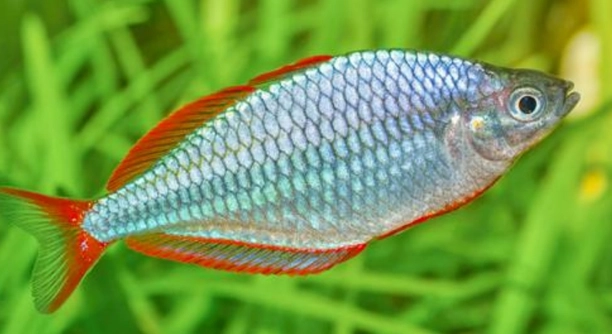
Rainbow fish are often admired for their vibrant colors and active swimming patterns. However, there may be more to their behavior than just their beauty. Understanding how these fish interact with their surroundings can be quite fascinating.
Research has shown that rainbow fish may alter their behavior when they sense they are being observed. This change could be due to stress or a heightened awareness of their environment, affecting their normal activities.
By understanding how these fish react in different situations, we can better care for them in aquariums. This knowledge is key to creating a comfortable environment for them to thrive.
How Do Rainbow Fish React to Being Watched?
Rainbow fish, like many animals, are sensitive to their environment. When observed, they can feel a sense of pressure or stress. This awareness of being watched might make them more cautious or alter their usual swimming patterns. It’s not uncommon for them to slow down or move less fluidly when they sense someone is watching. This change can be subtle, but it’s important to recognize how it may affect their behavior.
Fish in an aquarium are generally used to a stable environment. When a person approaches their tank, they might become more alert and show different patterns of movement. The sense of being watched can lead to temporary anxiety, affecting how they interact with their surroundings. Over time, if they get used to the presence of a person, they might calm down.
Maintaining a peaceful atmosphere around your rainbow fish is important. Avoid tapping on the glass or making sudden movements that might startle them. By providing a calm, consistent environment, you help them feel secure, which can prevent unnecessary stress.
Does This Behavior Impact Their Health?
Rainbow fish are hardy, but like all animals, they can experience stress. Stress can lower their immune system, making them more vulnerable to illness. Constant stress from being watched can weaken their ability to fight off diseases.
When rainbow fish are stressed, they might display unusual behaviors like hiding more often or not eating properly. This can affect their overall health, so it’s important to be mindful of how you interact with them. Keeping their environment calm and undisturbed is essential for their well-being.
In an aquarium, stress can also impact their social behavior. Rainbow fish are social creatures, and if they feel threatened by constant observation, they might isolate themselves from other fish. This not only harms their health but also affects their social structure. A peaceful setting encourages them to interact more, which is crucial for their mental health. Simply being considerate of their space can ensure that they thrive in your care.
How Can You Minimize Stress for Rainbow Fish?
To minimize stress for rainbow fish, avoid sudden changes in their environment. Keep the tank well-maintained, and provide hiding spaces where they can retreat if they feel threatened. Regularly check the water quality to ensure it stays stable.
Consistent lighting is another factor that helps. Sudden changes in light levels can be stressful for rainbow fish, so it’s best to have a set lighting schedule. This allows them to adjust naturally to day and night cycles. Be sure not to disturb the tank too often. Rainbow fish do best in an environment where they feel secure.
A calm atmosphere can also help with their social behavior. Avoid tapping on the glass or making loud noises near the aquarium. These actions can startle the fish, leading to unnecessary stress. Letting them adapt to their surroundings in peace will promote their overall well-being.
The Role of Tank Mates in Their Behavior
The fish you choose as tank mates can also impact rainbow fish behavior. If they are housed with aggressive or overly active species, they may feel threatened. This can lead to stress and behavioral changes. Choosing peaceful fish that won’t invade their space is crucial for their comfort.
Adding more rainbow fish to the tank can also provide a sense of security. These fish are social and often thrive in groups. A school of rainbow fish can help reduce stress by providing companionship and a sense of safety. They will feel more confident and less likely to alter their behavior because of constant vigilance.
It’s also important to avoid overcrowding. Even the most peaceful tank mates can become stressed in a crowded tank. Providing enough space for each fish will allow them to move freely and comfortably, which is key to maintaining their natural behavior.
How Light Affects Rainbow Fish Behavior
Light can greatly impact rainbow fish. Too much or too little light can cause them stress. It’s important to set a regular light cycle to keep them comfortable. Bright lights during the day and darkness at night help mimic their natural environment.
Rainbow fish are naturally adapted to a consistent light pattern, so it’s best to keep the aquarium lights on for about 8-12 hours daily. This helps regulate their behavior and keeps them from feeling disoriented. If you notice them acting strangely, check the lighting and ensure it’s not too intense or inconsistent.
Feeding and Its Impact on Behavior
Feeding rainbow fish properly is vital to maintaining their health and behavior. Overfeeding can lead to uneaten food rotting, which impacts water quality. This can stress out the fish, causing them to act differently. A balanced feeding routine helps prevent this.
Rainbow fish are omnivores, so a varied diet is essential. Offering a mix of flakes, pellets, and live or frozen foods will help them thrive. Make sure to feed them only what they can consume in a few minutes to avoid polluting the water. Healthy, regular feeding routines help maintain their natural behavior.
How Movement Affects Their Behavior
Fish are sensitive to movement in their environment. If there’s too much activity around the aquarium, it can stress them out. Keeping the area around the tank calm will encourage them to behave more naturally. Avoid sudden movements near the glass, as this can disturb them.
Fast or erratic movements may confuse or frighten rainbow fish. They prefer a stable and calm environment. When things around the tank are still, they feel more secure. Taking time to observe them without causing disturbances will help them relax, encouraging their usual behavior.
FAQ
Do rainbow fish recognize their owners?
Rainbow fish do not have the same level of recognition as more intelligent animals like dogs or cats. However, they can associate their owners with feeding time and other routine activities. They may swim closer to the surface or come to the front of the tank when they see you, as they learn that you are connected to food. Over time, they may start to recognize your movements and become accustomed to your presence. While they don’t “recognize” you in the human sense, they do get used to your presence.
How can I tell if my rainbow fish are stressed?
When rainbow fish are stressed, their behavior changes. They may stop swimming as actively, hide more often, or even change color slightly. Some might swim erratically or near the bottom of the tank instead of in their usual areas. Stress can also affect their eating habits; if they stop eating or lose their appetite, this is another sign. Additionally, their fins may clamp down, or they might seem more skittish than usual. Pay attention to any changes in their behavior, as these can indicate stress levels.
Can rainbow fish live with other species?
Rainbow fish can live with other species as long as they are peaceful and compatible. They thrive in community tanks with other calm, non-aggressive fish. However, it’s important to avoid housing them with aggressive fish that might stress them out. Additionally, make sure that tank mates are of similar size to avoid predation. Rainbow fish are peaceful by nature, and they tend to get along well with other non-territorial species. Some good tank mates include small tetras, guppies, and corydoras catfish.
How often should I feed my rainbow fish?
Rainbow fish should be fed once or twice a day, offering small portions each time. You should only provide what they can consume in a few minutes. Overfeeding can cause water quality issues, leading to stress. It’s important to vary their diet with a mix of flakes, pellets, and occasional live or frozen food to ensure they get all the nutrients they need. If you notice leftover food, adjust the portion size. A consistent feeding schedule helps keep them healthy and reduces stress.
Can rainbow fish live in low light conditions?
Rainbow fish prefer moderate lighting. While they can survive in low light, it can affect their behavior and overall health. Without enough light, they may not display their bright colors as vividly, and they may become more lethargic. Proper lighting not only helps them feel more secure but also helps maintain a healthy environment for the tank. If you notice your fish becoming less active or duller in color, try adjusting the lighting to a more moderate level. Aim for 8-12 hours of light each day for the best results.
Are rainbow fish easy to care for?
Rainbow fish are relatively easy to care for, making them a great choice for beginner fish keepers. They are hardy and adaptable, but they still need a stable environment to thrive. Regular water changes, appropriate tank mates, and a proper diet are all important factors to keep in mind. As long as their tank is maintained and they are not exposed to extreme changes in their environment, rainbow fish should do well. They are generally not prone to disease, but water quality and stress management are key to keeping them healthy.
What water temperature is ideal for rainbow fish?
Rainbow fish prefer water temperatures between 72-78°F (22-26°C). Keeping the water within this range helps them stay active and healthy. Sudden temperature fluctuations can cause stress, so it’s essential to maintain a consistent temperature. You may need an aquarium heater if you live in a cooler climate. Regularly check the temperature using a reliable thermometer to ensure it stays within the ideal range. Keeping the water at the right temperature promotes good health and natural behavior in your rainbow fish.
Do rainbow fish need a filter?
Yes, rainbow fish do need a filter. A filter helps maintain water quality by removing debris, excess food, and harmful chemicals. Clean, filtered water is essential for the health of your fish. It also helps keep the environment stable, which reduces stress and promotes natural behavior. Make sure the filter flow is not too strong, as rainbow fish prefer calm water. Regularly clean the filter to ensure it is functioning properly and maintain the overall cleanliness of the tank.
How do I create the best environment for rainbow fish?
Creating the best environment for rainbow fish involves maintaining stable water conditions, providing hiding places, and choosing the right tank mates. Keep the water clean with regular changes and filtration. Rainbow fish enjoy having plants and rocks to swim around and hide in. These items also help mimic their natural habitat. Lighting should be moderate, and the temperature should remain consistent. It’s also important to avoid overcrowding the tank. A well-balanced environment will help your rainbow fish stay happy, healthy, and stress-free.
How long do rainbow fish live?
Rainbow fish typically live for 5 to 8 years with proper care. Their lifespan can vary depending on water quality, diet, and overall tank conditions. Keeping their environment stable and free from stressors will help extend their lifespan. Regular health checks, proper feeding, and clean water are all essential to maintaining their longevity. While some rainbow fish may live a bit longer, a well-maintained tank will ensure that they live a full, healthy life.
Final Thoughts
Rainbow fish are fascinating creatures that bring color and life to any aquarium. Their behavior, however, can be influenced by a variety of factors, such as being watched, water quality, tank mates, and environmental conditions. Understanding how these factors affect them is important for creating a comfortable and healthy environment. These fish are known for their hardiness, but like all animals, they thrive best in stable and peaceful surroundings. By paying attention to their needs, you can ensure they live a long, healthy life in your care.
While rainbow fish are relatively easy to care for, there are some key considerations to keep in mind. They need a stable water temperature, good filtration, and appropriate lighting to stay happy. Stress from poor water conditions or disruptive behavior from humans or tank mates can affect their health and behavior. It’s important to monitor their environment regularly, ensuring everything is in balance. Maintaining a calm atmosphere around the tank can help reduce unnecessary stress and keep them behaving naturally. A simple routine that includes feeding them the right amount, providing space, and keeping the tank clean goes a long way in supporting their well-being.
In conclusion, observing rainbow fish closely can offer insight into their unique behavior. While they may act differently when being watched, with a little attention to their environment, you can help them feel secure. By creating an environment where they feel safe, you give them the best chance to display their true beauty and engage in their natural behaviors. Proper care ensures that these colorful fish will continue to brighten your aquarium for years to come.

Hello,
If you enjoy the content that we create, please consider saying a "Thank You!" by leaving a tip.
Every little bit helps us continue crafting quality advice that supports the health, happiness, and well-being of pets around the world, for pets of all shapes, sizes, and species.
We really appreciate the kindness and support that you show us!