
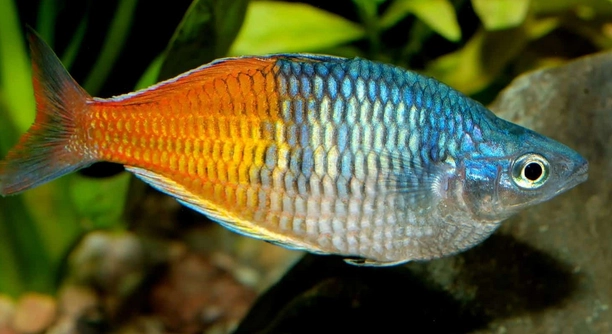
Do you ever find yourself wondering if the color of your fish tank could affect how comfortable your rainbow fish feel inside it? Tank design choices are important for their health, and even small details like color might make a difference.
Rainbow fish can be sensitive to their environment, and tank color can influence their behavior. They tend to prefer lighter, more natural hues, avoiding dark or harshly bright colors that may cause stress or discomfort within their habitat.
Choosing the right tank colors can create a more peaceful environment for your rainbow fish and help them thrive beautifully in your home aquarium.
Why Tank Color Matters for Rainbow Fish
Rainbow fish are beautiful, active swimmers that enjoy bright, clean environments. Tank color can subtly influence how secure they feel. Lighter colors like soft blues, sandy tones, and gentle greens often create a sense of safety. These shades mimic their natural habitats, making the fish more comfortable. In contrast, dark backgrounds or overly vivid colors can cause stress, leading to skittish behavior or hiding. Bright red, deep black, or neon colors can seem unnatural to them. When setting up a tank, it is best to consider a backdrop and decorations that keep things light and natural. Your rainbow fish will appreciate an environment that feels closer to what they know instinctively. Even though tank color might seem like a small detail, it can affect everything from activity levels to social behaviors. By choosing the right colors, you help create a calming, safe place where your fish can thrive.
Some rainbow fish may still adapt to tanks with darker colors, but it is usually easier for them to adjust when surroundings are soft and natural-looking.
Picking appropriate shades for your aquarium can make your rainbow fish more active, colorful, and less prone to stress. It is a simple but meaningful part of tank setup that often gets overlooked.
Common Tank Colors to Avoid
Avoid using bright neon colors and deep black backgrounds when setting up your rainbow fish tank, as these shades can cause unnecessary anxiety.
Neon colors, while fun for decorations, often overwhelm rainbow fish. These bright tones do not exist in their natural habitats, so the fish may feel exposed or unsafe. Over time, stress from bright surroundings can impact their health, leading to poor appetite, duller colors, or even aggressive behavior. Dark backgrounds, particularly black, can also be problematic. While they seem sleek to us, black tanks can make some rainbow fish feel trapped or uncertain. It is better to stick with neutral, earthy colors that feel open and familiar. If you already have a dark background, consider softening it with plants, lighter substrate, or pale decorations. Paying attention to these subtle cues can lead to a much healthier and happier environment for your rainbow fish, making them more likely to show their best colors and active behaviors.
Best Tank Colors for Rainbow Fish
Soft blue backgrounds tend to work best because they mimic the sky or shallow water, making rainbow fish feel secure. Pale green or sandy colors are also good choices, creating a peaceful and natural space that helps the fish stay calm and active.
Choosing a light blue background creates a soothing visual effect for rainbow fish. This color closely resembles the shallow waters they come from and can enhance their natural brilliance. A sandy or beige substrate combined with a pale background gives a more open, safe feeling, encouraging more swimming and playful behavior. Green backgrounds, especially soft mossy tones, also promote comfort by simulating aquatic plants. Avoid bright lime greens, though, as they can feel harsh. When everything looks calm and natural, rainbow fish show off brighter colors and better interaction with each other. Subtle background and decoration choices can make a noticeable difference in their happiness.
When decorating, using plants and rocks in natural shades enhances the effect even more. Stick to muted greens, soft browns, and gentle grays. Natural-looking tanks create the best atmosphere, especially when paired with steady lighting. Try to balance open swimming spaces with areas for hiding, making the fish feel even more at ease. A clutter-free setup keeps everything looking clean without overwhelming them. If you use artificial plants, choose ones with realistic colors rather than bright or neon ones. Lighting should not be too bright either, as rainbow fish prefer a soft, even glow. By creating a peaceful and familiar space, you allow your rainbow fish to show their full personality, swimming confidently and displaying beautiful colors that can brighten up any room.
Tips for Setting Up the Ideal Tank Environment
Keep decorations simple and natural, using plants, rocks, and driftwood that match the soft background colors. Make sure the tank has enough open swimming areas along with some gentle hiding spots for your rainbow fish to explore.
Use a fine, light-colored gravel or sand substrate to keep the tank feeling open and airy. A few smooth stones and driftwood pieces can create interest without making the environment feel cramped. Live plants like Java fern or Vallisneria work well because they provide shelter without overwhelming the space. Make sure the plants you choose have gentle, flowing leaves rather than stiff or sharp textures. Arrange decorations thoughtfully so that your fish have clear paths for swimming while still having places to hide if they feel stressed. Proper lighting should mimic natural daylight but remain soft, avoiding harsh, bright setups. A peaceful, carefully designed tank helps rainbow fish thrive and show their best colors every day.
Signs Your Rainbow Fish Are Stressed by Tank Colors
If your rainbow fish are stressed, you might notice them hiding more often or swimming in quick, jerky motions. They may also lose some of their bright colors, appearing duller than usual when uncomfortable in their environment.
Another sign to watch for is reduced appetite or refusal to eat. Stressed rainbow fish might stay at the bottom of the tank or isolate themselves from the rest of the group. Subtle changes like these usually mean the environment, including the tank color, is not meeting their needs.
Adjusting Tank Colors Without Starting Over
If your tank has dark or bright backgrounds, you can still make changes without a complete redo. Adding pale decorations, background posters, or live plants in soft greens and tans helps lighten the look. Floating plants can also soften lighting naturally. Gradual changes are less stressful for your fish.
Final Thoughts on Tank Colors and Rainbow Fish
Picking calming tank colors and natural decorations helps rainbow fish stay happy and active, showing off their best colors every day.
FAQ
Do rainbow fish really react to tank colors?
Yes, rainbow fish can be sensitive to their environment, including the colors in their tank. Bright or dark colors can create stress, making them feel unsafe or uncomfortable. Lighter, natural colors, such as pale blues, greens, and tans, tend to create a more soothing atmosphere, which is better for their health and behavior. When their environment feels natural, they are more likely to swim freely and display their vibrant colors.
Can I use a dark background for rainbow fish?
While it is possible to use dark backgrounds, they are generally not ideal for rainbow fish. Dark backgrounds, especially black, can make them feel trapped or isolated. These fish are accustomed to environments with lighter, more natural colors. Using darker tones may reduce their activity levels and make them feel stressed, leading to poor health over time. If you want to use darker colors, consider softening them with lighter decorations or plants.
What type of lighting should I use for rainbow fish?
Rainbow fish prefer soft, natural lighting that mimics daylight. Bright, harsh lights can cause stress, while dim lighting might not provide enough visibility for the fish. LED lights with adjustable settings allow you to control the brightness and create a comfortable environment. Natural light, when possible, is ideal. Aim for a gentle, consistent light that doesn’t create excessive shadows or glare.
Are rainbow fish sensitive to artificial decorations?
Rainbow fish are not particularly sensitive to artificial decorations, but the style and color matter. Neon or excessively bright decorations can be overwhelming for them. Instead, choose decorations with muted colors, such as natural-looking plants, rocks, or driftwood. These types of decorations mimic their natural habitat and create a safer, more comfortable environment for the fish. Additionally, be cautious of sharp or rough edges on artificial decorations, as these can cause injury.
Can tank color affect rainbow fish breeding?
Yes, tank color and environment can influence breeding behavior in rainbow fish. They tend to be more active and colorful in a calm, natural setting. If the tank colors are too harsh, the fish might not feel relaxed enough to engage in breeding. Soft, natural tones in the tank and appropriate lighting can encourage healthy breeding behavior by reducing stress levels and creating a more inviting environment for the fish.
Is it necessary to change the tank color over time?
You don’t necessarily need to change the tank color, but altering the environment can help improve your fish’s well-being if you notice signs of stress. If your rainbow fish are hiding, swimming erratically, or losing their bright colors, it might be a good idea to make small adjustments. For example, you can add lighter-colored plants or change the background to a more natural tone. Gradual changes are better than sudden shifts, as it allows the fish to adjust without additional stress.
Do rainbow fish prefer planted tanks?
Rainbow fish tend to do well in planted tanks, as long as the plants are not too dense. They appreciate the natural look and extra oxygen that live plants provide. Plants offer hiding spots and cover, which can make the fish feel more secure. Additionally, plants can help maintain water quality by absorbing excess nutrients. Opt for easy-to-care-for plants like Java fern, Anubias, or Vallisneria, which provide a good balance of coverage without overwhelming the space.
Can rainbow fish live with other species in a tank with colorful decorations?
Rainbow fish are generally peaceful and can coexist with other species in a community tank. However, the type of decorations you choose can influence how comfortable the fish feel. If the tank has brightly colored decorations or too many flashy items, it could cause stress or competition for space. It’s better to keep things simple and avoid overcrowding with both decorations and fish. Choosing non-intrusive, natural-looking tank setups will benefit all species living together.
How do rainbow fish react to reflective surfaces in the tank?
Rainbow fish may become stressed if there are too many reflective surfaces in the tank, especially if they can see their own reflection. Constant reflections can cause confusion, making the fish feel threatened. This might lead to excessive swimming, aggression, or hiding. To prevent this, avoid mirrors or highly reflective surfaces in the tank. If you need to clean the glass, do so carefully, making sure no reflections are left that might upset your fish.
What role does tank size play in the behavior of rainbow fish?
The size of the tank plays a crucial role in the comfort of your rainbow fish. These fish are active swimmers and need plenty of space to move around. A small, overcrowded tank can cause stress and limit their natural behaviors. Ideally, a tank for rainbow fish should be at least 30 gallons, providing them with enough space to swim freely and interact with other fish. Larger tanks with ample swimming areas allow the fish to feel more secure and happy.
Final Thoughts
Choosing the right tank colors for rainbow fish can significantly impact their well-being. Soft, natural colors like light blues, greens, and tans create a calming environment that mimics the fish’s natural habitat. A peaceful setting encourages rainbow fish to display their best colors and behavior. Dark or overly bright backgrounds may cause stress, making the fish feel unsafe or isolated. By selecting colors and decorations that resemble their natural surroundings, you help your rainbow fish thrive and stay healthy. Creating a balanced, serene tank setup is crucial for their happiness and vibrancy.
Tank color is not the only factor to consider when setting up an environment for rainbow fish. Proper lighting, natural decorations, and a suitable substrate all play important roles. Avoid harsh lighting or excessively bright decorations that can overwhelm the fish. Live plants are an excellent choice as they provide cover and improve the overall water quality. Be sure to provide enough swimming space while adding decorations that encourage natural behaviors. When all elements of the tank are designed to be calm and natural, your rainbow fish will feel comfortable and active. This also allows them to interact with each other and their surroundings in a healthy way.
Remember that rainbow fish are social creatures, and their environment should reflect this. A community tank with proper color choices, decorations, and lighting encourages harmonious interactions with other species. Stress from environmental factors can cause them to hide or become less active, which may lead to health problems over time. By taking the time to adjust tank colors and create a safe, natural environment, you ensure that your rainbow fish are not only comfortable but also able to showcase their beautiful colors and vibrant personalities. With the right setup, your fish will flourish in a peaceful and visually pleasing environment.

Hello,
If you enjoy the content that we create, please consider saying a "Thank You!" by leaving a tip.
Every little bit helps us continue crafting quality advice that supports the health, happiness, and well-being of pets around the world, for pets of all shapes, sizes, and species.
We really appreciate the kindness and support that you show us!