
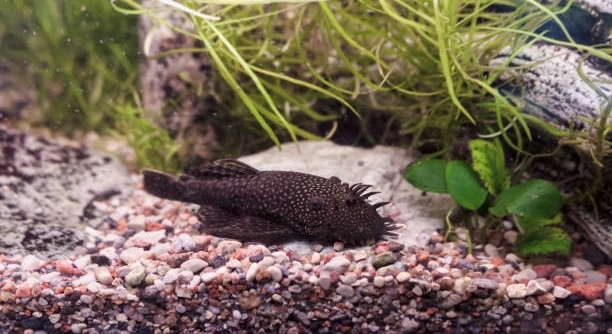
Plecostomus, often known as “plecos,” are popular aquarium fish that are known for their algae-eating habits. They are frequently seen swimming across the tank, using their strong suction cups to stay attached to surfaces.
While plecostomus do not form direct emotional bonds with their owners, they can become accustomed to their presence. Over time, they may show familiarity by swimming near their owners or recognizing feeding routines.
Understanding their behavior can help you better interact with your plecostomus and provide them with the best care possible.
How Do Plecostomus React to Their Owners?
Plecostomus are fascinating creatures, but their ability to recognize their owners is often misunderstood. While they don’t develop the same attachment as mammals or some other fish species, they can become familiar with their environment. Over time, a pleco may become accustomed to its feeding schedule and the presence of its owner. Their behavior might not indicate deep affection, but more of an association between food and the person feeding them.
These fish are more driven by routine and their surroundings. They don’t have the complex emotional connections that might be seen with more interactive pets. Plecostomus have a keen sense of their environment, and they recognize patterns. They will swim to the surface when they sense food, especially if they have been conditioned to expect feeding at certain times.
Recognizing this behavior in plecostomus can make caring for them easier. Their actions are tied more to habits and routines than personal relationships. This doesn’t mean they lack intelligence; they just operate on different cues. Feeding them at regular intervals can help them feel comfortable and secure.
Do Plecostomus Have Memory?
Plecostomus do have the ability to recognize certain cues, such as the appearance of their owners or the sound of food. Their memory is linked to visual and sensory triggers. However, it’s not as sophisticated as that of higher mammals.
Plecos can remember where they typically find food in the tank, and they will associate the arrival of their owner with feeding time. This routine helps them feel more at ease in the tank. However, these memory cues are not necessarily a sign of emotional attachment. Plecos are instinctively drawn to places that offer them food, and they may react to familiar people based on the positive reinforcement they associate with the food.
Their memory may not extend to long-term recognition, but their short-term routines are vital in maintaining their health. They can learn to expect feeding from a particular person, but this memory is closely tied to feeding, not companionship.
Do Plecostomus Show Any Form of Affection?
Plecostomus don’t express affection in the way many mammals or even some fish do. They don’t actively seek attention or physical contact from their owners. Their behavior is mostly dictated by their instincts and routines.
However, they may show a form of recognition, especially around feeding times. When plecos become familiar with their owner, they may approach the front of the tank when they sense the person is nearby. This isn’t necessarily a sign of affection, but more of an association with the positive experience of being fed. Over time, they can begin to recognize who regularly provides them with food, even if it’s not through any emotional attachment.
This kind of behavior is more about routine than a genuine bond. Plecostomus may even seem to “follow” their owner’s movements around the tank, but it’s most likely just conditioned behavior based on food expectations rather than a desire for interaction.
How Can You Interact with Your Plecostomus?
Interacting with a plecostomus requires a different approach compared to more interactive pets. They aren’t going to seek out attention or enjoy petting like a dog or cat might. Instead, they respond to the tank environment and feeding schedule.
Plecos prefer to be left alone most of the time, as they are nocturnal and often prefer hiding during the day. It’s important to respect their space. The best way to interact with them is through regular feeding at set times. Over time, they will associate their owner with food and become more accustomed to their presence.
Plecostomus are also sensitive to changes in water conditions. Keeping the tank clean, maintaining proper water temperature, and providing algae or supplements will help keep your pleco healthy. This environment-focused interaction is crucial to ensuring they feel secure in their tank.
Can Plecostomus Recognize Other Fish in the Tank?
Plecostomus are not known to form strong social bonds with other fish in the tank. Their interactions are mostly based on territorial behavior and their need to feed. However, they do recognize other fish in their environment.
While plecos may acknowledge other tank mates, this recognition doesn’t extend to complex social interactions. Their focus is primarily on survival and food. Plecostomus can coexist with other fish without issue, provided their space and resources are respected. They don’t typically engage in social behavior like some species, such as schooling fish, but will often interact through simple avoidance or sharing tank areas.
A pleco’s ability to “recognize” other fish is more about adapting to their surroundings. They don’t develop friendships or follow specific fish around the tank. They are much more concerned with their feeding and environmental conditions.
How to Help Your Plecostomus Feel Comfortable
Plecostomus feel most comfortable in stable environments with clear water and hiding spots. They need tanks with plenty of plants, caves, or rocks to hide under during the day. Ensuring they have these places helps them feel secure.
Consistency in water temperature, pH levels, and regular feeding schedules is key. While plecos don’t need much interaction, they do benefit from a steady environment. Clean water and a peaceful tank without aggressive species will reduce stress for your pleco and help them thrive.
Can Plecostomus Live with Other Species?
Plecostomus are peaceful fish and typically get along well with other species. They are bottom dwellers and tend to stay away from aggressive or larger fish. They usually do not pose a threat to other tank mates.
FAQ
Can plecostomus live in a tank with other fish?
Yes, plecostomus can generally live with other fish. They are peaceful bottom dwellers and usually avoid confrontation. They are known to get along well with most tank mates, including other non-aggressive fish. However, they should be kept with fish that are not overly territorial or aggressive, as plecos do not usually defend themselves aggressively. It’s best to avoid small fish that could be bullied or larger fish that might outcompete them for food. Ensure the tank has plenty of hiding spaces for plecos to feel secure.
Do plecostomus need a heater?
Plecostomus do best in stable water temperatures, typically between 72-82°F (22-28°C). If your home aquarium doesn’t naturally maintain this temperature range, a heater is necessary to keep your pleco comfortable. A heater ensures that the water temperature stays consistent, which is important for the pleco’s health and well-being. If the water gets too cold or fluctuates too much, your pleco can become stressed, leading to weakened immunity or illness.
How long do plecostomus live?
Plecostomus are long-lived fish, with some species living up to 10-15 years when provided proper care. Their lifespan depends on factors such as water quality, tank size, and diet. Regular tank maintenance and a consistent feeding routine can help extend the life of your pleco. As with any pet, proper care ensures a healthy and long-lasting life.
What do plecostomus eat?
Plecostomus are primarily herbivores, feeding on algae, plant matter, and detritus in their natural habitat. In your tank, they’ll continue to feed on algae that grows on surfaces like glass, rocks, and decorations. You can also supplement their diet with specially formulated algae wafers, fresh vegetables like zucchini, cucumber, or spinach, and occasionally, protein-based foods like shrimp or bloodworms. Proper nutrition ensures that your pleco stays healthy and active.
Do plecostomus need to be fed every day?
Plecostomus typically do not need to be fed every day, especially if they have access to algae and natural food sources in the tank. However, regular feeding can help supplement their diet. Depending on their size and activity level, feeding them 2-3 times a week with algae wafers or fresh vegetables is usually sufficient. Overfeeding can lead to water quality issues and obesity in plecos, so be sure to feed them in moderation.
Why is my plecostomus staying at the surface?
If your plecostomus is staying near the surface of the tank, it could be a sign of a few different issues. It may be searching for food or oxygen. If the water oxygen levels are low, plecos may swim to the surface to gulp air. Another possibility is that they are stressed due to poor water quality or temperature fluctuations. Ensure the tank has proper filtration and aeration to maintain oxygen levels. Regular water changes and monitoring water conditions can help address this behavior.
How big do plecostomus get?
Plecostomus vary in size depending on the species. The most common type, the Bristlenose pleco, usually grows to around 4-6 inches. However, some species, like the Common pleco, can grow as large as 12-24 inches or more. Before adding a pleco to your tank, it’s important to consider the potential adult size and ensure your tank is large enough to accommodate the fish as it grows. A tank that is too small for a full-grown pleco can lead to health issues and overcrowding.
Do plecostomus need a lot of space?
Yes, plecostomus do require a relatively large tank with enough space to swim and explore. A tank that is too small can lead to stress and poor health. For smaller species like the Bristlenose pleco, a tank of at least 30 gallons is recommended. Larger species like the Common pleco require a much larger tank, often 75 gallons or more. The more space available, the better for the pleco’s well-being.
Why is my plecostomus turning brown?
If your plecostomus is turning brown, it could be a sign of a few things. One common reason is a change in diet or an insufficient amount of algae in the tank. Plecos that are not getting enough plant matter may show changes in their coloration. Stress from poor water quality or improper tank conditions can also affect their appearance. Ensure the tank is clean, the water is properly filtered, and the pleco has access to a varied diet, including algae wafers and vegetables.
How do I know if my plecostomus is stressed?
Signs of stress in a plecostomus can include a loss of appetite, erratic swimming behavior, hiding more than usual, or changes in coloration. Stress can be caused by various factors, including poor water quality, temperature fluctuations, overcrowding, or aggressive tank mates. If you notice these signs, it’s important to check water parameters such as pH, ammonia, nitrate levels, and temperature to ensure the environment is stable. Reducing stress factors can help restore your pleco’s health and behavior.
Can plecostomus live with snails?
Plecostomus and snails can generally coexist in the same tank. Since plecos are bottom-dwellers and snails usually stay on the substrate or plant surfaces, they won’t compete for space. However, some species of plecos may occasionally eat snails or their eggs if they are hungry enough, but this behavior is not typical. As long as the pleco is well-fed and has enough food, they usually won’t pose a threat to snails in the tank.
Final Thoughts
Plecostomus are fascinating creatures that can make great additions to your aquarium. They are known for their algae-eating abilities, which help keep your tank clean. They are generally low-maintenance and peaceful, making them ideal for community tanks with other non-aggressive species. However, it’s important to understand their specific needs, including proper tank size, water quality, and diet, to ensure they thrive in your care. As bottom dwellers, plecos help maintain the balance in your tank by feeding on algae, but they also need supplements like vegetables and algae wafers to stay healthy.
While plecostomus are not particularly social fish, they can recognize their environment and other tank mates, although they do not develop strong bonds with them. Their primary focus is on feeding and maintaining a stable environment. If you’re planning to keep plecos, it’s crucial to provide them with ample hiding spots, such as caves or plants, where they can retreat when they feel threatened or during the day. A stable environment with consistent water conditions is key to their well-being. A tank with good filtration and appropriate oxygen levels will help keep your pleco healthy for years.
Overall, plecostomus are hardy and adaptable fish, as long as they are provided with the right care. They can live for many years, and during that time, they help maintain the tank’s cleanliness while being relatively easy to care for. If you plan on keeping plecos in a tank with other fish, be sure to choose tank mates that are calm and don’t compete aggressively for resources. With proper care, your plecostomus can live a long and healthy life, contributing to the overall balance of your aquarium.

Hello,
If you enjoy the content that we create, please consider saying a "Thank You!" by leaving a tip.
Every little bit helps us continue crafting quality advice that supports the health, happiness, and well-being of pets around the world, for pets of all shapes, sizes, and species.
We really appreciate the kindness and support that you show us!