
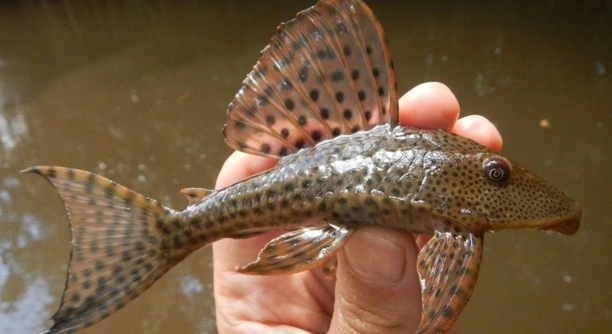
Many aquarium owners wonder if their fish, particularly Plecostomus, recognize their owners. These unique fish are known for their helpful algae-eating habits, but do they form bonds with humans? Understanding their behavior could offer insights into their relationships with us.
Plecostomus are capable of recognizing their owners to some degree, often associating them with feeding times. Their response to humans is more about routine and food than genuine recognition, but they can show signs of familiarity.
Knowing how Plecostomus interact with their owners can help improve their care and behavior. Understanding these fish could also strengthen the bond between you and your aquatic pets.
How Plecostomus Interact with Their Environment
Plecostomus are primarily known for their algae-eating habits, and they play an important role in keeping your tank clean. These fish are often active at night and prefer hiding during the day. This behavior doesn’t necessarily mean they are shy; it’s simply a survival instinct. Plecostomus thrive in environments where they feel safe, and their actions are mostly centered around feeding, exploring, and finding shelter. Unlike other pets that may seek attention or affection, these fish are more focused on their surroundings and food.
When Plecostomus do show interest in their owners, it’s usually during feeding times. They associate humans with food, so they may swim towards the surface when they see you approach. This recognition is likely driven by routine, rather than any emotional connection. Over time, they may begin to anticipate your movements as part of their daily cycle.
Building a better understanding of your Plecostomus’s habits can help improve its care. Keeping the tank environment comfortable and offering consistent feeding times helps them feel secure. The more predictable the routine, the more likely they are to be active when you are around.
Plecostomus and Visual Recognition
Though Plecostomus may recognize their owners, their primary senses are based on smell and movement. They don’t rely heavily on visual cues like some other pets. Instead, they tend to react to the vibrations and water movement caused by their owners.
For example, when you approach the tank, your presence creates ripples in the water. Plecostomus can detect these ripples and might swim toward you, expecting food. Some owners report their Plecostomus will even greet them by coming to the surface when they approach the tank. However, this is more of an association with feeding rather than a sign of attachment.
As with any pet, creating a stable and predictable environment is key. A well-maintained tank with proper feeding routines helps Plecostomus feel secure. Recognizing their behavior patterns and respecting their need for space will improve the overall health of your tank and its inhabitants.
Understanding Plecostomus Behavior
Plecostomus tend to be independent creatures. They’re not interested in bonding like dogs or cats, but they do recognize patterns. Their primary motivation is food and comfort, not interaction with their owners. Still, they will recognize you as the source of their regular meals.
These fish are creatures of habit. Over time, they will associate their human caregivers with feeding times. When they see you near the tank, they might swim towards the surface in anticipation of food. This behavior is driven by routine, and while it might seem like recognition, it’s mostly a learned response.
The more consistent you are with feeding and tank care, the more predictable their behavior will be. Plecostomus don’t need much direct interaction but thrive in stable environments. Their behavior will reflect the comfort and predictability they experience in their habitat. A routine that includes feeding at the same time each day helps them feel more secure and comfortable in their tank.
Factors That Influence Recognition
Factors like water quality and tank conditions can affect how often and how clearly Plecostomus recognize their owners. If the tank environment is stable and clean, these fish will likely exhibit more regular behavior, including their response to your presence. A well-maintained tank fosters a sense of security, encouraging them to move around and explore.
Plecostomus rely on sensory cues like smell, vibration, and light changes to detect your presence. If you feed them at the same time daily, they may start to approach the surface or the tank walls when they sense you nearby. This is a learned association, similar to how pets know when it’s time to eat. Their reaction is often less about affection and more about anticipation for food. In a clean, quiet tank, they may also feel safer and more comfortable showing this behavior.
Consistent care helps Plecostomus recognize their human caregivers. A stable feeding routine, along with a stress-free environment, is crucial for their health and behavioral patterns. The more predictable their surroundings, the more likely they are to interact in this way. Keeping their environment calm and organized is key to seeing this behavior.
Plecostomus and Tank Conditions
Tank conditions play a big role in how Plecostomus behave. A clean, well-maintained tank encourages them to be more active. If the water quality is poor, they may hide more often, avoiding interaction with you.
Good water quality and proper filtration will help Plecostomus feel secure in their environment. When these fish are comfortable, they’ll be more likely to show interest in their surroundings and may even respond to your presence, especially when food is involved. Keeping the tank clean reduces stress and creates a better environment for them to thrive.
A well-maintained tank also helps prevent health problems that can affect Plecostomus behavior. Regular water changes and monitoring the water’s pH levels can keep these fish happy. By focusing on their physical environment, you help your Plecostomus stay healthy, which in turn can lead to more predictable and familiar behavior.
Feeding Habits and Recognition
Plecostomus are nocturnal feeders, usually eating during the night. Their recognition of you comes primarily from food. When they associate you with feeding, they may start to anticipate your movements, especially around feeding time. This is one of the few ways they show recognition.
In a tank with a steady feeding schedule, your Plecostomus may react by coming closer to the surface when they sense you nearby. This behavior is linked to their expectation of food and their routine. Over time, they begin to learn who provides the meals, but it’s not necessarily a bond based on affection.
Routine and Its Impact
Consistency is key for Plecostomus. By sticking to regular feeding and cleaning routines, you help them feel more at ease. This predictability leads to less stress and healthier behavior, which includes more visible recognition of their owners.
FAQ
Do Plecostomus get attached to their owners?
Plecostomus are not known to form attachments in the same way that pets like dogs or cats do. While they may recognize their owners based on routine, such as feeding times, their interactions are typically limited to expecting food rather than showing affection. They are independent fish with behaviors driven by instincts rather than emotional connections. Recognition is more about anticipating meals than any bond of attachment.
How can I tell if my Plecostomus recognizes me?
If your Plecostomus begins to swim toward the surface or approaches you when you are near the tank, it may be recognizing you. However, this behavior is usually linked to food rather than affection. Plecostomus tend to associate you with feeding times, and they might swim toward the tank’s surface when they anticipate being fed. Their behavior is a learned response based on your regular presence during feeding.
Can I train my Plecostomus to recognize me more clearly?
Plecostomus are unlikely to develop any deeper recognition or training beyond associating you with feeding times. You can reinforce their routine by maintaining a consistent feeding schedule and ensuring the tank environment is clean and stable. However, they won’t be trained to do tricks or show specific behaviors for interaction. Their focus is more on food and safety than on building relationships with humans.
Why do my Plecostomus hide so much?
Plecostomus are naturally shy and tend to hide, especially during the daytime. This is part of their natural behavior, and it doesn’t mean they’re unhealthy or scared of you. They are nocturnal feeders and feel more comfortable when they can stay out of sight during daylight hours. As long as they have hiding spots in the tank, this behavior is perfectly normal.
Do Plecostomus like to be pet?
Plecostomus do not enjoy being petted or touched like other pets. They are not social in the way that many mammals are and will generally avoid human contact. If you try to pet them, they may swim away or seek shelter. Plecostomus prefer a peaceful environment where they can feel safe and undisturbed, rather than handling or close interaction with humans.
How often should I feed my Plecostomus?
Plecostomus are generally fed once a day, but it’s important to follow the specific feeding guidelines for your fish. They are bottom feeders, often eating algae and leftover food, so you may not need to provide food every day if your tank is already rich in algae. If feeding, offer them sinking pellets or fresh vegetables. Overfeeding can lead to water quality issues, so be careful not to feed too much at once.
Can Plecostomus live with other fish?
Yes, Plecostomus can live with other fish, provided the tank conditions are appropriate. They are usually peaceful and not aggressive, though some species may become territorial over food or space. When introducing other fish, make sure the species you choose are compatible and that the tank has enough space for everyone to coexist comfortably. Plecostomus are also known to do well in community tanks with other peaceful species.
What size tank do Plecostomus need?
Plecostomus require a fairly large tank, especially as they grow. A tank of at least 30 gallons is recommended for a single Plecostomus. They can grow quite large—some species reaching up to 24 inches—so a spacious tank with plenty of hiding spots is essential. Overcrowding can lead to stress and poor health, so it’s best to give them room to thrive.
What are the signs that my Plecostomus is stressed?
If your Plecostomus is stressed, you may notice signs like hiding more than usual, refusing food, or excessive swimming around the tank. Poor water quality, overcrowding, or incompatible tankmates are common causes of stress. Make sure the tank is well-maintained, with appropriate filtration, and that your Plecostomus has enough space to move around. A stressed fish may also have changes in its appearance, such as fading color or erratic behavior.
How can I make my Plecostomus feel more comfortable?
To make your Plecostomus feel more comfortable, ensure that the tank is clean, well-filtered, and has plenty of hiding spots. These fish appreciate calm environments with minimal disturbances. Regular water changes are essential for maintaining good water quality. They also benefit from a stable feeding routine, which can help them feel more secure in their environment. When possible, avoid overcrowding the tank or introducing aggressive species.
Do Plecostomus need special care?
Plecostomus are generally low-maintenance, but they do require a few specific care needs. They need a large tank, clean water, and a steady food supply. Regular maintenance, such as cleaning the tank, changing the water, and providing the right food, will help keep them healthy. Plecostomus also prefer tanks with plenty of hiding spots, as they tend to feel safer when they have places to retreat.
Are Plecostomus good for beginner aquarium owners?
Plecostomus can be a good choice for beginner aquarium owners, but they do come with some challenges. They need a tank of adequate size, clean water, and proper filtration. While they’re not as demanding as other fish, beginners should still be aware of their specific needs. They are hardy and relatively easy to care for as long as basic tank maintenance is followed. However, they are best suited for people who are committed to maintaining a good environment for their fish.
Can Plecostomus live in cold water?
Plecostomus are tropical fish and prefer warmer water temperatures, typically between 75°F and 80°F (24°C to 27°C). They should not be kept in cold water tanks, as it could affect their health. If you live in a colder climate, a heater should be used to maintain a comfortable temperature for your Plecostomus. Cold water can stress them out, leading to a weakened immune system and other health issues.
How can I prevent my Plecostomus from getting sick?
The best way to keep your Plecostomus healthy is by maintaining excellent water quality. Regular water changes, proper filtration, and checking the water’s pH, ammonia, and nitrate levels are essential. Avoid overcrowding the tank and ensure that your Plecostomus has enough space to move around. Also, feed them a balanced diet of high-quality food and monitor them for any signs of illness, such as lethargy or loss of appetite. Regular tank maintenance is the key to preventing most health problems.
Final Thoughts
Plecostomus are interesting creatures that tend to focus more on their environment and food than on forming emotional bonds with their owners. While they might recognize you as the source of their meals, their interactions are largely based on routine and survival instincts. This makes them unique pets, as their behavior is driven by needs like safety, food, and comfort rather than affection. For owners looking for a fish that will form a bond similar to a dog or cat, Plecostomus may not fit the bill. However, they can still bring a sense of calm and balance to your aquarium with their natural algae-eating habits.
If you’re a fish owner interested in Plecostomus, it’s important to set up a proper environment for them. They thrive in clean, stable tanks with plenty of space and hiding spots. Regular water changes and a consistent feeding schedule are key factors in keeping them healthy and comfortable. They are nocturnal creatures, so you may not see much of them during the day, but providing a safe and stress-free environment will allow them to do their best work as algae cleaners and tank cleaners. Understanding their natural habits will help you keep your Plecostomus happy and well-cared-for.
While Plecostomus may not show affection in the traditional sense, they can still be fascinating to observe. By recognizing their patterns and giving them the care they need, you’ll create a space where they can thrive. Their behavior is not a sign of neglect or discomfort; it’s simply how they navigate their world. With the right conditions, your Plecostomus can live a long, healthy life in your tank, contributing to the overall well-being of your aquarium.

Hello,
If you enjoy the content that we create, please consider saying a "Thank You!" by leaving a tip.
Every little bit helps us continue crafting quality advice that supports the health, happiness, and well-being of pets around the world, for pets of all shapes, sizes, and species.
We really appreciate the kindness and support that you show us!