
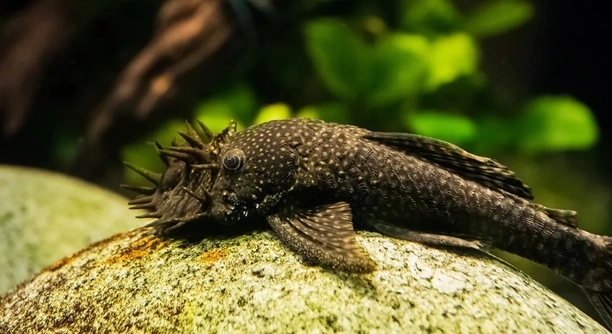
Plecostomus are often praised for their ability to clean fish tanks, making them a popular choice for aquarium enthusiasts. These fish are believed to help maintain a clean environment, but how effective are they really?
While Plecostomus can assist in cleaning certain elements of an aquarium, such as algae and debris, they do not provide a complete solution. Their cleaning abilities are limited, and they still require a well-maintained tank with proper filtration.
Understanding the specific role of Plecostomus in tank cleaning will help ensure they contribute positively to the overall health of your aquarium. There are factors that can influence how well they work.
What Do Plecostomus Eat in Your Tank?
Plecostomus are often considered helpful because they consume algae and leftover food from the tank. However, their diet is not as simple as just cleaning. They primarily feed on algae, but they also nibble on detritus and uneaten food. This makes them seem like natural cleaners.
While they can help reduce algae buildup, they won’t eliminate all debris or algae. They may miss spots, especially if your tank has a lot of buildup. Plecostomus also require a balanced diet that includes algae wafers and other foods to stay healthy.
Relying solely on a Plecostomus for tank cleaning isn’t the best approach. While they might reduce some algae, they don’t address all the waste in your tank. Regular water changes, filtration, and spot cleaning are still essential. Without these, your aquarium’s water quality may suffer, and your Plecostomus could even become malnourished. Maintaining the right environment for all the tank’s inhabitants requires a more comprehensive cleaning routine than simply counting on your Plecostomus.
Can They Handle All the Cleaning?
Plecostomus might seem like the perfect solution to your tank’s mess, but they have limitations. They are only part of the cleaning process.
Plecostomus can help with algae control, but they can’t remove waste or clean all surfaces in the tank. They work best in balanced aquariums.
How Effective Are Plecostomus in Algae Control?
Plecostomus are often praised for their algae-eating habits. They do help reduce algae growth, especially on tank surfaces like glass and decorations. However, their effectiveness can vary depending on tank conditions and algae types.
While Plecostomus will typically consume soft algae, they are less effective against stubborn types like black beard algae. They will not be able to keep up with rapid algae growth in high-nutrient tanks, so they shouldn’t be relied on as the sole solution. Additionally, some types of algae can grow too fast for Plecostomus to manage on their own, leaving you with more work.
To improve their algae control, you can enhance water conditions and reduce excess nutrients. Regular water changes, proper lighting, and reducing overfeeding will help limit algae growth. Adding more algae-eating species alongside Plecostomus could also help manage algae better and keep your tank cleaner.
Do Plecostomus Need Special Care?
Plecostomus are relatively low-maintenance but still need specific care to stay healthy. They thrive in tanks with good filtration, plenty of hiding spots, and stable water conditions.
Though they are hardy fish, they do require a well-maintained environment. If the water quality is poor or there’s not enough food, they may become stressed or malnourished. It’s essential to monitor water temperature, pH levels, and ammonia levels to avoid health issues. Additionally, a Plecostomus will need additional food, such as algae wafers or sinking pellets, to meet their nutritional needs.
Are Plecostomus Suitable for All Aquariums?
Not all tanks are ideal for Plecostomus. They need space to swim, plenty of hiding spots, and a good filtration system. They also grow quite large, sometimes reaching up to 24 inches, which may be too big for smaller tanks.
In smaller aquariums, Plecostomus can quickly become stressed or overcrowded, leading to health problems. It’s essential to have a tank that’s at least 75 gallons for a healthy adult Plecostomus. Additionally, they prefer a slightly warmer water temperature, around 75-80°F, and a steady pH. If your tank doesn’t meet these conditions, a Plecostomus may not be the best choice.
Will Plecostomus Damage Plants?
Plecostomus can sometimes damage plants in the tank, especially soft-leaved varieties. While they primarily eat algae, they may also graze on plant leaves, causing harm over time. Be mindful of your plant choices when adding Plecostomus to the tank.
How Can You Support Your Plecostomus?
Supporting your Plecostomus means providing them with the right environment and food. Make sure your tank is clean, with good water flow and stable conditions. Regular feeding of algae wafers and occasional fresh vegetables will help maintain their health.
FAQ
Can Plecostomus live with other fish?
Yes, Plecostomus are generally peaceful and can live with many types of fish. They often get along with other species, especially those that don’t compete for food or space. However, avoid housing them with overly aggressive fish that may stress them out. Plecostomus are bottom dwellers and prefer not to share their space with more dominant tank mates.
How big do Plecostomus get?
Plecostomus can grow quite large, often reaching lengths of up to 24 inches. This size requires a large tank, usually 75 gallons or more, to give them enough space. If the tank is too small, they might experience stunted growth or stress, affecting their health and longevity.
What kind of tank do Plecostomus need?
Plecostomus need a well-maintained tank with good filtration, clean water, and enough space to swim. They are best suited to tanks with stable water parameters—temperature between 75-80°F and a neutral to slightly acidic pH. Providing hiding spots, such as caves or driftwood, is essential for their comfort.
Do Plecostomus need to be fed extra food?
Yes, while Plecostomus eat algae, they still need additional food to stay healthy. Algae wafers, sinking pellets, and fresh vegetables like zucchini or cucumber are great options. It’s important not to rely on algae alone as their main food source, as they may not get all the nutrients they need from it.
How often should Plecostomus be fed?
Feeding Plecostomus once or twice a day is usually sufficient. Offer them small portions of algae wafers, sinking pellets, or vegetables that they can finish in a few hours. Overfeeding can lead to poor water quality, which can stress your Plecostomus and other tank inhabitants.
Do Plecostomus require a lot of maintenance?
Plecostomus do not require excessive maintenance, but they do benefit from regular water changes and tank cleanings. While they can help with algae, they still need a proper environment to thrive. Keeping the tank clean and maintaining proper water conditions is essential for their well-being.
Why isn’t my Plecostomus eating algae?
If your Plecostomus isn’t eating algae, it could be due to a variety of factors. Perhaps there’s not enough algae in the tank, or the water quality is poor. Sometimes, they may prefer alternative food sources like algae wafers or vegetables. Check for any stressors in the tank that may be affecting their appetite.
Can Plecostomus be kept in a tank with live plants?
Yes, Plecostomus can live in tanks with live plants, but they may occasionally nibble on plant leaves. They are more likely to damage soft-leaved plants, so it’s better to choose hardier species like Java fern or Anubias. Keep an eye on plant health and supplement with algae wafers if needed.
What is the lifespan of a Plecostomus?
The average lifespan of a Plecostomus is about 10 to 15 years when properly cared for. Providing a stable environment, regular feeding, and maintaining water quality can help them live to their full potential. Without proper care, their lifespan may be shorter due to stress or poor tank conditions.
Do Plecostomus need aeration?
Plecostomus do not specifically need additional aeration, as long as the tank is well-filtered and the water is flowing properly. A filter with strong water circulation usually provides enough oxygenation for both the Plecostomus and other fish. However, adding a bubble stone or an air pump can be beneficial in tanks with heavy stock.
Can Plecostomus be kept with shrimp?
It’s not always ideal to house Plecostomus with shrimp, especially small or baby shrimp. While Plecostomus are generally peaceful, their size and bottom-dwelling nature might intimidate or even harm shrimp. If you want to keep both in the same tank, ensure there are plenty of hiding spots and avoid overly aggressive species.
Are Plecostomus sensitive to water changes?
Yes, like most fish, Plecostomus can be sensitive to sudden changes in water conditions. When performing water changes, ensure that the new water matches the temperature, pH, and hardness of the old water. Gradual water changes are best to avoid stressing them and other tank residents.
Do Plecostomus need to be quarantined?
It’s a good idea to quarantine any new Plecostomus before introducing them to an established tank. This allows you to monitor for any signs of disease or parasites. Keeping them in quarantine for about two weeks helps ensure they are healthy before they join other tank mates.
Why is my Plecostomus staying at the surface?
If your Plecostomus is staying at the surface of the tank, it could be a sign of poor water quality or a lack of oxygen. Check your filter and ensure the water is well-oxygenated. It’s also important to ensure the water parameters, like pH and temperature, are within the right range for your fish.
What type of substrate is best for Plecostomus?
Plecostomus prefer a soft substrate like fine gravel or sand, as it’s gentle on their delicate barbels. Sharp gravel or rough materials can damage their barbels and cause injury. A soft substrate also helps in creating hiding places for them to feel secure.
Final Thoughts
Plecostomus can be a great addition to your aquarium, especially when it comes to helping with algae control. However, they are not a complete solution to keeping your tank clean. While they may help reduce algae buildup on surfaces like glass and decorations, they still require a well-maintained environment to thrive. This includes proper filtration, stable water parameters, and additional feeding. Without these, their ability to keep the tank clean will be limited, and they may become stressed or malnourished.
It’s important to remember that Plecostomus are not a substitute for regular tank maintenance. They can assist with some of the cleaning but shouldn’t be relied upon entirely. You will still need to do regular water changes, remove debris, and ensure your filter is working properly. Additionally, their eating habits should be supplemented with algae wafers and fresh vegetables to keep them healthy. Overfeeding can also lead to poor water quality, which affects both the Plecostomus and the rest of the tank’s inhabitants.
Lastly, keep in mind that Plecostomus grow large and require a decent amount of space. A 75-gallon tank or larger is ideal for a single adult Plecostomus, especially when considering their size and need for swimming space. They also prefer a tank with stable conditions, including the right water temperature and pH levels. With the proper care, they can live for many years, contributing to the beauty of your aquarium while doing their part in controlling algae. However, they do best when they are part of a comprehensive tank care routine rather than relied upon as the primary cleaning method.

Hello,
If you enjoy the content that we create, please consider saying a "Thank You!" by leaving a tip.
Every little bit helps us continue crafting quality advice that supports the health, happiness, and well-being of pets around the world, for pets of all shapes, sizes, and species.
We really appreciate the kindness and support that you show us!