
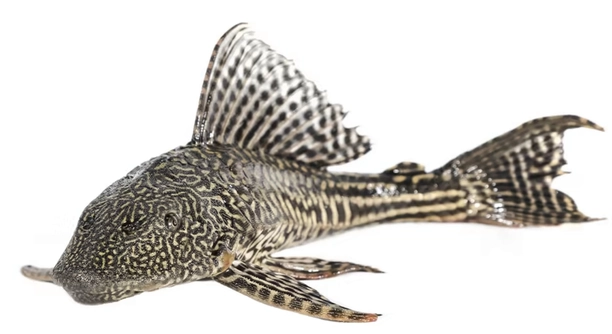
Plecostomus, also known as “plecos,” are a popular freshwater fish in home aquariums. These fish are known for their algae-eating habits and unique appearance. Understanding their environment preferences can help create a healthier habitat for them.
Plecostomus do tend to prefer dim light environments. In their natural habitats, they often inhabit areas with limited light, such as caves or crevices. Dim lighting can reduce stress and mimic the conditions they would encounter in the wild.
Creating the right lighting conditions for your plecostomus can enhance their well-being and encourage more natural behaviors. Understanding their needs will help you provide the best environment for your fish.
Why Dim Light Matters for Plecostomus
Plecostomus thrive in environments that mimic their natural habitat. In the wild, they are often found in dimly lit areas like caves, under rocks, or in dense vegetation. This low-light environment reduces stress and makes them feel more secure. It’s essential to replicate these conditions in home aquariums to ensure their health and comfort. Bright lights can cause stress and discomfort for plecos, leading to behavior changes or even health problems over time. Therefore, creating a space with softer, dimmer lighting is not only beneficial but necessary for their overall well-being.
Providing dim light helps reduce stress by making plecostomus feel less exposed. It’s a simple adjustment that can go a long way in creating a comfortable aquarium. You can achieve this by using low-wattage bulbs or placing aquarium decorations to block harsh lighting.
While plecos are adaptable, their natural instincts lead them to thrive under dim conditions. This small change can help them flourish in your tank, promoting healthier, more active behavior.
How to Achieve the Right Lighting for Your Plecostomus
The best way to create a dimly lit environment for your plecostomus is by using low-wattage bulbs or aquarium filters with built-in lighting. Avoid bright, overhead lights that can make the tank feel too exposed. Dim light will mimic the shade they would naturally seek.
To set up dim lighting, consider using aquarium lights that allow you to control the intensity. This gives you the flexibility to adjust based on the time of day or the mood of your plecos. You can also place aquarium decorations like rocks or plants to naturally block excess light. The more closely you can replicate their natural environment, the more comfortable they will feel.
A good trick is to install a timer on the lights, mimicking a natural day-night cycle. This will help your plecostomus adjust to a routine, reducing stress. With the right lighting, you’re creating a stable environment where your plecos can thrive. Regularly check the light levels to ensure they aren’t too harsh or dim.
The Importance of Hiding Spots for Plecostomus
Plecostomus appreciate having hiding spots in their tank. These provide a sense of security and reduce stress. Caves, large rocks, or driftwood can be great additions to their environment. Having a place to retreat helps plecos feel safe and more comfortable in their tank.
Hiding spots also allow plecos to establish territories and avoid potential aggression from tank mates. They are naturally shy and prefer having space to retreat to when they feel threatened. Providing these shelters in your tank gives them the comfort they need to thrive.
Creating a Stress-Free Environment
To further reduce stress, avoid overcrowding the tank. Plecos need room to move around without feeling cramped. Be sure to monitor water quality closely, as dirty water can increase stress levels and affect their health. A well-maintained tank with good water flow promotes peace.
Plecos are also more comfortable in water temperatures that mimic their natural range. Keeping the water between 74 and 80°F (23-27°C) will help them stay stress-free. Consistent water changes and proper filtration are also crucial to maintaining a healthy, low-stress environment for your fish.
FAQ
Do plecostomus need light at all?
Plecostomus do not require bright lighting to stay healthy. In fact, they are more active and comfortable in low-light or shaded environments. However, some light is still necessary to maintain a natural day-night rhythm. Without any lighting, they may become disoriented or stressed. Low-intensity or adjustable aquarium lights work well, allowing you to mimic natural light patterns without creating an overly bright space. Keeping the tank dim during the day and dark at night is ideal for plecos. This setup supports their biological clock and helps them behave more naturally in your tank.
Will my plecostomus be less active in a bright tank?
Yes, plecostomus tend to hide or stay motionless when exposed to bright lighting. In nature, they are nocturnal and prefer staying hidden during daylight hours. Bright lights can make them feel unsafe, leading them to remain in their hiding spots most of the time. If your pleco seems inactive, consider checking the tank’s lighting setup. Adding plants, driftwood, or caves can help block excess light and encourage more movement. Adjusting the lighting can have a noticeable effect on their activity level and overall comfort.
Can I use colored lights in a plecostomus tank?
Colored lights, like blue or red, are generally safe for plecostomus as long as they are not too intense. Blue lights are often used during nighttime hours and can help create a calming environment for nocturnal fish like plecos. Red lights are also soft and won’t disturb their behavior. However, flashing or constantly changing lights should be avoided, as they can cause stress. Always keep the lighting soft and consistent, and observe your fish to see how they react. If they seem to hide more, you may want to reduce the brightness or change the color.
How many hours of light should a plecostomus get?
A consistent light cycle of 8 to 10 hours per day is ideal. This simulates a natural day-night pattern, helping your pleco maintain a regular routine. Avoid leaving the lights on 24/7, as this can cause stress and disrupt their rest. Using a timer can make it easier to maintain a steady schedule. If you notice your pleco hiding all day, try reducing the light duration or intensity. A shorter or dimmer light period might encourage more natural behavior and better overall health.
Do plecostomus come out more at night?
Yes, plecostomus are naturally nocturnal and tend to be more active during the evening or in low light. If your tank is dim or if the room is dark, you might catch your pleco exploring or feeding more frequently. This behavior is perfectly normal and reflects their natural instincts. Providing dim conditions or observing them during nighttime hours is the best way to see them in action. Adding food in the evening can also increase nighttime activity, giving you a better chance to watch them move around.
Will dim light affect plant growth in the tank?
If your aquarium contains live plants, dim lighting can slow their growth. Most aquatic plants require moderate to high light levels for photosynthesis. If you want both healthy plants and a happy pleco, try using shaded areas with taller decorations or floating plants. This creates darker spaces for the pleco while still allowing parts of the tank to receive more light for the plants. Another option is choosing low-light plants like Java fern or Anubias, which do well under dim conditions and won’t disrupt your pleco’s comfort.
Can too much light cause health problems for plecostomus?
Excessive lighting can contribute to stress, which may weaken a plecostomus’s immune system over time. Stressed plecos might eat less, become more reclusive, or even develop health issues. Constant bright lighting can also disturb their natural rest cycle. To avoid this, it’s best to provide a dim environment with hiding spots and use a regular light schedule. Watch for signs of stress like pale coloring or inactivity. If these appear, try adjusting the lighting or adding more shaded areas to the tank.
Are plecostomus okay in a community tank with brighter lighting?
Plecostomus can live in community tanks, but it’s important to create shaded areas just for them. Other fish may do well under brighter lights, but plecos still need a place to hide. Use driftwood, caves, or dense plants to give them some privacy. Even in a well-lit tank, they’ll feel secure if they have access to dim spots. This allows them to coexist peacefully with other fish without compromising their comfort. It’s all about balance—bright areas for your other fish and darker ones for your pleco.
Final Thoughts
Plecostomus are peaceful and adaptable fish that do best in calm, low-light environments. Their natural habits and behavior are closely tied to dim conditions, making them more active and comfortable when the lighting is soft. Bright lights can cause them to stay hidden or stressed, which may lead to less movement and lower appetite. This is why many pleco owners notice a difference in behavior when they adjust the tank lighting. Using plants, driftwood, or other decorations can help reduce light exposure and create a space that feels safe for them. Even in tanks with other fish, it’s still possible to keep your pleco comfortable by providing shaded areas where they can rest during the day.
Lighting is just one part of caring for a plecostomus, but it plays a big role in their well-being. They rely on stable light patterns to keep a healthy rhythm. When they get the right amount of light—enough to mimic natural day and night—they tend to be more relaxed, feed more consistently, and explore their surroundings with more confidence. On the other hand, tanks with lighting that is too intense or left on too long can throw off their natural habits. This may not show up right away, but over time, your pleco could become more withdrawn or even develop health issues. Making small changes to your tank’s lighting setup, like using timers or lowering the intensity, can make a big difference in how your pleco behaves and feels.
Overall, plecostomus prefer tanks that match their natural instincts. While they don’t need total darkness, they thrive when given the chance to rest and explore under soft light. If you’re setting up a tank or looking to make improvements, focusing on the lighting is a smart and simple step. Think about the balance between visibility, plant needs, and your pleco’s comfort. It doesn’t have to be complicated—sometimes just dimming the lights or adding a few shaded spots can improve the tank environment. Paying attention to how your pleco reacts will help guide your choices. In the end, a low-stress and gently lit tank supports a healthy, active plecostomus that feels right at home.

Hello,
If you enjoy the content that we create, please consider saying a "Thank You!" by leaving a tip.
Every little bit helps us continue crafting quality advice that supports the health, happiness, and well-being of pets around the world, for pets of all shapes, sizes, and species.
We really appreciate the kindness and support that you show us!