
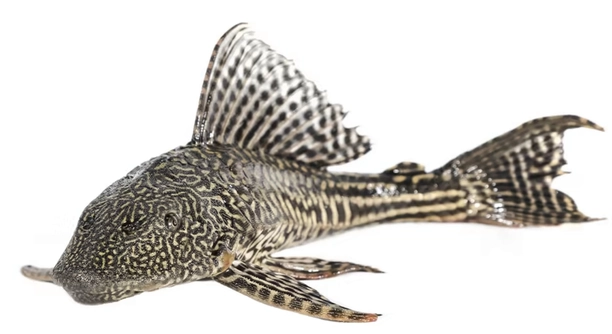
Plecostomus, also known as “plecos,” are popular freshwater fish in many aquariums. Their unique appearance and behavior often make people curious about their social preferences. Whether they enjoy solitude or company is an interesting topic to explore.
Plecostomus are typically solitary creatures, preferring their own space in an aquarium. However, some species may tolerate the presence of others, especially if the tank is large enough to provide ample hiding spots. The overall tank environment influences their social behavior.
Understanding their preferences can improve their well-being and your aquarium’s harmony. Keep reading to learn more about the factors that affect whether plecos enjoy company or solitude.
Social Behavior of Plecostomus
Plecostomus are solitary by nature, often preferring to stay by themselves in their environment. They are not schooling fish, meaning they do not need the presence of others for emotional or social support. While they may tolerate other plecos, they are more likely to thrive in an environment where they have their own space. Plecos are known to be peaceful, so they won’t actively seek out conflict with other fish, but they still need enough territory to feel secure. In crowded tanks, plecos may become stressed due to lack of hiding spots or competition for resources like food and space.
Having multiple plecos in one tank can lead to territorial behavior, with the larger, more dominant plecos taking control of the best spots. This may lead to stress and decreased health for the weaker fish. It is important to monitor the interactions between plecos and ensure they have enough space to avoid unnecessary stress.
A pleco’s behavior depends on the environment it’s in, as well as its species. Some may become more social in larger tanks with plenty of hiding spots, while others will remain solitary. The key to keeping plecos happy is ensuring they feel safe and have enough space to claim their territory.
Factors That Affect Social Preferences
The size of the aquarium plays a big role in how plecos behave with others. Larger tanks with plenty of hiding spots allow them to establish their own space. However, overcrowded tanks can cause stress. Plecos will often hide in caves or behind decorations to avoid contact with other fish.
The species of pleco can also affect how they interact with others. For example, some species are more territorial than others and may not tolerate the presence of other plecos. Others may be more peaceful and may even interact with tank mates without showing aggression. It’s important to research the specific needs of the pleco species in your tank to understand how they might behave around others. Keeping a mix of fish that don’t compete for space and food with plecos is also a helpful way to maintain a peaceful aquarium.
Plecos and Tank Mates
Plecostomus can be kept with other fish, but compatibility depends on the species. Fish that are too aggressive may stress the pleco, while peaceful species tend to get along well. Plecos should be kept with fish that don’t invade their territory or compete for food.
When adding tank mates, consider species that occupy different parts of the tank. Plecos typically stay near the bottom, so choosing fish that swim in the middle or upper levels helps avoid conflict. Peaceful fish like tetras, guppies, and rasboras are usually good tank mates. It’s essential to avoid aggressive species that might outcompete plecos for food or space.
Avoid placing plecos with fish that are highly territorial or those that require very different water conditions. Some fish may exhibit fin-nipping behavior, which can stress out plecos and hinder their natural growth. The best tank setup balances different species’ needs while ensuring plecos have enough hiding spots.
Space Requirements for Plecos
Plecos need space to feel secure and thrive. A small tank can stress them out, particularly if the space is shared with other fish. A minimum tank size of 30 gallons is recommended for most species, but larger plecos may need more room.
Overcrowding should always be avoided, as it leads to competition for resources like food and hiding spaces. A spacious tank allows plecos to move freely and establish their own territory. Including rocks, caves, and plants also provides them with places to hide, which is crucial for reducing stress and promoting well-being. Additionally, plecos tend to be more active and happier in tanks that mimic their natural environment.
A well-maintained tank with adequate space helps prevent territorial disputes, ensuring the pleco’s behavior remains calm.
Pleco Socialization in Captivity
While plecos tend to be solitary in the wild, they can adapt to social settings in an aquarium. However, they require enough space to establish boundaries. Too many plecos in one tank can lead to territorial issues and stress.
In a well-sized tank, plecos can coexist peacefully with other fish species, as long as the environment allows them to have their own space. Overcrowded tanks create competition for resources, which can cause frustration. Adding more hiding spots helps ease interactions. Ensuring plecos have space to retreat reduces stress and supports healthy behavior.
Plecos and Their Environment
The environment plays a major role in a pleco’s behavior. Providing them with plenty of hiding spots, such as caves and rocks, helps them feel secure. They tend to be more active and comfortable in spaces that mimic their natural habitat.
Plecos need stable water conditions to thrive. Regular water changes, proper filtration, and the right water temperature keep them healthy. Poor water quality can lead to stress, making plecos more likely to hide or become less social. Providing a stable, natural environment is key to reducing anxiety.
Ideal Tank Setup for Plecos
Plecos thrive in tanks with lots of hiding spots, plants, and open areas. This setup allows them to feel safe while also providing space to move around. It’s essential to ensure there’s enough room for plecos to explore. Without this, they may feel confined and stressed.
FAQ
Do plecos prefer to be alone?
While plecos are generally solitary in the wild, they can tolerate other fish in an aquarium if there’s enough space. However, they are territorial and may become stressed in crowded tanks. It’s best to keep only one pleco per tank unless the aquarium is large enough to accommodate multiple individuals without conflict. Providing plenty of hiding spots and room for each pleco to establish its own territory can reduce stress and prevent aggression.
Can plecos live with other fish?
Yes, plecos can live with other fish, but the tank setup must support it. They are peaceful creatures and generally get along with other non-aggressive species. Fish like tetras, guppies, and rasboras tend to coexist well with plecos because they occupy different areas of the tank. However, aggressive fish or those that compete for food can cause issues. It’s important to choose tank mates that are peaceful and won’t stress the pleco.
Do plecos need other plecos for companionship?
Plecos do not require the companionship of other plecos to thrive. They are naturally solitary creatures, and they tend to be more comfortable alone. Some species may tolerate other plecos, especially in larger tanks, but most prefer to have their own space. Overcrowding can cause stress and territorial behavior, which is why it’s usually best to keep a single pleco in a tank unless the conditions allow for more.
What size tank do plecos need?
The size of the tank depends on the species of pleco. Most plecos need at least a 30-gallon tank to thrive. However, larger species, like the common pleco, may require tanks of 75 gallons or more. Plecos are bottom-dwelling fish, so they need enough space to roam and hide. Overcrowding in a small tank can lead to stress, stunted growth, and health problems.
Are plecos good for beginner fish keepers?
Plecos can be a good choice for beginners, but they do require proper care. They are relatively hardy and can adapt to various tank conditions. However, they need regular maintenance, including water changes and proper filtration. Additionally, they can grow quite large, so it’s important to ensure you have the right tank size for the species. Proper diet and tank setup are key to keeping a pleco healthy.
Can plecos live with bettas?
Plecos can generally live with bettas, but there are some considerations. Bettas are territorial, especially the males, and may become aggressive if they feel their space is threatened. A pleco’s peaceful nature usually prevents conflict, but it’s important to ensure the betta has enough space and hiding places. A large tank with plenty of room for both fish to have their own space is ideal.
Do plecos need a lot of hiding spots?
Yes, plecos need plenty of hiding spots to feel secure. They are nocturnal and like to rest in dark, secluded places during the day. Providing caves, rocks, and plants can help simulate their natural environment and reduce stress. Hiding spots also allow plecos to escape from other tank mates when they feel threatened or stressed, improving their overall well-being.
How do I know if my pleco is stressed?
Stressed plecos may exhibit several signs. They might hide more than usual, become less active, or refuse to eat. Their color may also become dull, and they may display erratic swimming behavior. If you notice these signs, it could indicate that something in the tank environment is causing stress, such as poor water quality, overcrowding, or aggressive tank mates. Ensuring proper tank conditions and reducing stressors can help alleviate these issues.
What do plecos eat?
Plecos are primarily herbivores, and their diet consists mainly of algae, plants, and organic matter. In the aquarium, they will eat algae that grows on surfaces like rocks and tank walls. However, they may need supplemental feeding, such as algae wafers, vegetables (like zucchini and cucumber), and occasional protein sources like shrimp or fish flakes. It’s important to provide a balanced diet to prevent malnutrition and promote healthy growth.
Can plecos live with goldfish?
Plecos can live with goldfish, but it’s important to consider the size and temperature needs of both species. Goldfish prefer colder water, while plecos generally thrive in warmer temperatures. If you want to keep both, you’ll need to ensure the tank has a stable temperature that suits both species, which may be challenging. Also, plecos tend to be bottom dwellers, and goldfish might disturb their feeding, so providing enough space and hiding spots for both is crucial.
How often should I feed my pleco?
Plecos should be fed once a day, but the amount depends on their size and age. Juvenile plecos may require more frequent feeding, while adults typically need one meal a day. It’s essential to avoid overfeeding, as uneaten food can pollute the water. Algae and plant matter should make up most of their diet, with occasional treats like veggies or protein-based food. Monitoring your pleco’s weight and health will help determine if you are feeding the correct amount.
What’s the best water temperature for plecos?
The ideal water temperature for most plecos is between 75°F and 80°F (24°C to 27°C). This range closely mimics their natural habitat in warm, slow-moving waters. If the water is too cold, plecos can become stressed and may refuse to eat. A heater with a thermometer is recommended to maintain stable water temperatures. Sudden temperature fluctuations should be avoided, as they can cause shock or illness.
How fast do plecos grow?
Plecos grow at varying rates depending on their species. Common plecos, for example, can grow up to 1 inch per month in their first year. Smaller species, like the bristlenose pleco, grow more slowly. The growth rate also depends on the size of the tank, the quality of the water, and the diet provided. Providing a healthy, balanced diet and maintaining optimal tank conditions will help encourage steady growth.
Do plecos require a filter?
Yes, plecos do require a filter in their tank. They produce a lot of waste, and a good filtration system helps maintain water quality by removing excess debris and toxins. Without a filter, the tank could quickly become polluted, leading to poor water conditions and potential health problems for the pleco. A strong filter with a good flow rate is essential for maintaining the pleco’s environment, especially in larger tanks.
Final Thoughts
Plecos can be fascinating and rewarding fish to keep, but understanding their needs is essential for providing the best care. While they may seem low-maintenance, they require specific conditions to thrive, including proper tank size, water quality, and diet. Plecos can adapt to living with other fish, but it’s important to ensure the tank is large enough to prevent stress and territorial conflicts. Understanding their behavior and preferences will go a long way in keeping them healthy and happy.
When it comes to socialization, plecos generally do better when they have space to themselves. They are not the most social fish and prefer to have their own space to feel secure. Keeping multiple plecos in the same tank can work, but only if there’s enough room and hiding spots. Additionally, it’s crucial to keep in mind that plecos are bottom dwellers and can be shy, so they need plenty of dark, secluded areas where they can rest and retreat when needed. Providing these areas will help them feel more comfortable in their environment.
Overall, taking care of a pleco involves ensuring their environment is well-maintained, providing a proper diet, and respecting their solitary nature. By following basic care guidelines and paying attention to their individual needs, you can create a tank that not only supports their health but also offers an enjoyable experience for both you and your pleco. Every fish is unique, so it’s important to observe their behavior and adjust care as needed to ensure they live a long and healthy life.

Hello,
If you enjoy the content that we create, please consider saying a "Thank You!" by leaving a tip.
Every little bit helps us continue crafting quality advice that supports the health, happiness, and well-being of pets around the world, for pets of all shapes, sizes, and species.
We really appreciate the kindness and support that you show us!