
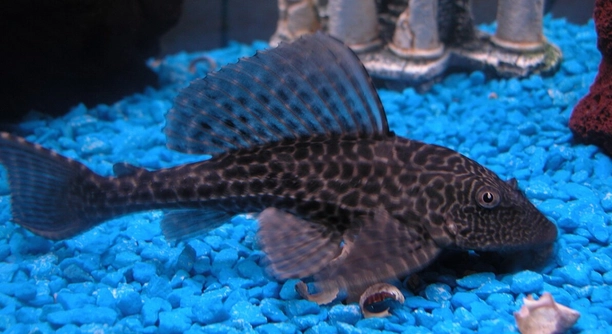
Have you ever added a plecostomus to your tank and wondered if it needs other fish around to feel content? These bottom-dwelling algae-eaters are often seen gliding along tank walls, quietly doing their job.
Plecostomus do not require tank mates to be happy, as they are mostly solitary by nature. While they can tolerate certain peaceful species, their overall well-being depends more on water quality, hiding spots, and proper diet than companionship.
Understanding their behavior and ideal environment can help you make the best decisions for your pleco’s health and comfort.
Understanding Plecostomus Behavior
Plecostomus, often called plecos, are known for their calm and solitary nature. In most home aquariums, they spend a lot of time hiding or grazing along surfaces. These fish are nocturnal and tend to be more active during the night. Because of this, they do not rely heavily on interaction with other fish. Many plecos are territorial, especially with their own kind, and may not react well to other bottom dwellers. What matters most for their happiness is the environment. They need stable water conditions, plenty of hiding spaces, and driftwood to chew on. Adding tank mates that invade their space or compete for food can stress them out. Peaceful tank mates that occupy different water levels, such as tetras or guppies, are usually tolerated. Still, the pleco will rarely engage with them. Their contentment mainly comes from a stable, well-kept tank with areas to explore and rest.
Adding tank mates is not required for a pleco’s happiness.
While they can live alongside peaceful fish, plecos are perfectly fine on their own. You do not need to worry about them feeling lonely or bored. Instead, focus on giving them a comfortable, clean space to thrive in.
Choosing the Right Setup
A calm and stable tank is more important than having companions.
When setting up a tank for your pleco, think more about water quality, filtration, and layout than who else will live there. These fish create a lot of waste, so a strong filter is necessary. They also need plenty of hiding spots—caves, driftwood, and shaded areas help them feel secure. Proper lighting is important too; dimmer light or floating plants help mimic their natural habitat. Plecos eat algae, but they still need a varied diet with algae wafers, vegetables, and sinking pellets. While many plecos can live with other fish, the key is choosing species that don’t bother them. Avoid fish that nip, chase, or outcompete them for food. Tank size matters as well—some plecos grow very large, so they need enough space to move freely. All of these factors contribute to their overall well-being and long-term health more than tank mates ever will.
Signs Your Pleco Is Comfortable
A healthy pleco will stay active during its preferred hours, often at night. During the day, it will rest in shaded areas or cling to glass and decorations. A calm and steady routine usually means your pleco is content and not feeling threatened.
You might also notice your pleco spending time exploring the tank surfaces or nibbling on algae. This kind of behavior shows it’s getting enough food and feels secure. If your pleco hides all the time or becomes overly aggressive, that could be a sign something is off. A happy pleco will respond to its environment steadily, not frantically darting around or breathing heavily. Watch for smooth, relaxed movements and consistent feeding patterns. Plecos that are too stressed may stop eating or even develop health issues. Observing their natural habits helps you know when your setup is working well and when something might need adjusting.
Clean water and proper diet play a big role in keeping plecos stress-free. Make sure ammonia and nitrite levels stay at zero. Offer a balanced mix of sinking pellets, algae wafers, and vegetables like zucchini or cucumber slices. These help maintain good digestion and energy levels. A comfortable pleco will have clear eyes, strong color, and steady behavior. Without constant stress from poor water or aggressive tank mates, they can thrive. Even if they live alone, their daily behavior will show you if they’re settled. Watch for regular grazing patterns and calm, slow movements around the tank, especially after dark. These are good signs that your pleco feels safe.
When Tank Mates Become a Problem
Plecos do not like sharing tight spaces with aggressive or overly active fish. Fast swimmers can outcompete them for food, leaving the pleco hungry. Fin-nippers may also damage their sensitive fins or cause long-term stress.
Tank mates become an issue when they interfere with your pleco’s basic needs. Some fish may crowd hiding areas or stir up the substrate, which bothers bottom dwellers. Constant activity in the tank may disrupt the pleco’s quiet nature. These stressors can lead to poor health, loss of appetite, or hiding all day. If your pleco seems withdrawn or irritable after adding new fish, consider whether the new additions are too fast, territorial, or loud. Even small, peaceful fish can become an issue if they invade the pleco’s space. Always observe behavior after changes. If problems persist, it’s better to remove the incompatible fish rather than risk your pleco’s health. Peace and space matter more than company.
Peaceful Tank Mates That Usually Work
Small schooling fish like neon tetras or harlequin rasboras usually stay near the top or middle of the tank, leaving plecos alone. Corydoras can also work, as they are gentle and tend to avoid direct interaction with plecos. Avoid pairing them with fin-nippers or overly active fish.
Snails and shrimp can be another good option. They help with tank cleanliness and do not disturb the pleco’s routine. Just make sure there is enough room for everyone and plenty of hiding places. A calm, well-planted setup keeps stress levels low for all tank inhabitants.
What To Avoid When Adding Tank Mates
Avoid aggressive species like cichlids, which often claim territory and may chase or nip at plecos. Do not pair plecos with other large bottom dwellers unless the tank is spacious. Too many bottom-level fish can create tension, especially over hiding spots or food. Goldfish are also a bad mix—different temperature needs and messy habits create unstable conditions. Fast, nippy fish should also be avoided as they can easily outcompete a pleco for food. Always research a species’ temperament and space needs before mixing them with a pleco. Even peaceful fish can become an issue in cramped or poorly arranged tanks.
Final Thoughts on Pleco Companionship
Plecos don’t need other fish to feel content. What they need most is a clean, peaceful environment where they can live without stress or competition.
FAQ
Can plecos live alone in a tank?
Yes, plecos can live alone and still be healthy and content. They do not rely on social interaction the way some schooling fish do. Most species of plecos are solitary by nature and prefer to go about their routines without being bothered. As long as the tank is large enough, has hiding spots, and offers clean water and proper food, a single pleco can thrive. Keeping them alone can actually prevent problems like territorial behavior, competition for food, or stress caused by incompatible tank mates.
Do plecos get lonely without other fish?
No, plecos do not experience loneliness in the way social animals might. They are independent bottom dwellers that spend much of their time hiding, grazing, or resting. Their comfort comes from a stable and safe environment, not from being around other fish. Adding tank mates won’t make a pleco happier—it may cause the opposite if the other fish are too active or invasive. Plecos are naturally more focused on their territory than on social bonds.
Can I keep more than one pleco in the same tank?
Keeping more than one pleco in the same tank can be difficult unless the tank is very large and each pleco has its own space. Many plecos are territorial, especially with others of the same species. They may fight or stress each other out if there aren’t enough hiding spots or if space is limited. Some smaller pleco species, like bristlenose plecos, are more tolerant and may be kept together in larger tanks, but it still depends on the layout and individual temperaments.
What are the best tank mates for plecos?
The best tank mates are peaceful, slow-moving fish that don’t compete for the same space. Good examples include neon tetras, rasboras, and mollies. Corydoras can also work since they tend to mind their own business and avoid direct contact with plecos. Avoid fin-nippers, large aggressive fish, and others that might disturb the pleco or crowd the bottom of the tank. Even with peaceful tank mates, it’s important to provide enough space and hiding areas for the pleco to feel safe.
Why is my pleco hiding all the time?
Hiding is normal pleco behavior, especially during the day. These fish are mostly nocturnal and prefer dim environments. However, if your pleco is hiding excessively and also not eating, moving much, or showing signs of stress like faded color or rapid breathing, there might be a problem. Poor water quality, aggressive tank mates, or lack of hiding spots could be the cause. Try testing the water, adjusting lighting, or observing the behavior of other fish in the tank.
Do plecos need a filter and heater?
Yes, plecos need both a good filter and a heater. They are sensitive to poor water conditions, and their waste output can be high. A strong filter helps keep the water clean and oxygenated. Most plecos also come from warmer climates, so a stable temperature between 74°F to 80°F is best. Without a heater, the water can drop too low and stress the fish. Make sure both devices are the right size for your tank and checked regularly.
What should I feed my pleco?
Algae alone is not enough. While plecos do eat algae, they also need a balanced diet to stay healthy. Offer algae wafers, sinking pellets, and fresh vegetables like zucchini, cucumber, or spinach. Some species need wood to help with digestion, so include driftwood if your pleco requires it. Feed in the evening when they are more active, and remove any uneaten food to keep the tank clean.
Can plecos live in a community tank?
Yes, many plecos can live in a peaceful community tank, but it depends on the species of both the pleco and the other fish. Always check size compatibility and temperaments. Make sure the tank is large enough and set up with enough hiding spaces so the pleco has room to be alone when it wants. Avoid mixing them with fish that are known to harass or outcompete for food.
How big do plecos get?
Size depends on the species. Common plecos can grow over 18 inches long and need very large tanks. Bristlenose plecos, which are more popular for home aquariums, usually reach 4 to 6 inches. Always research the type you’re getting before bringing it home so you can plan the right tank size and care routine.
Do plecos need driftwood?
Some species, especially bristlenose and rubber lip plecos, benefit from having driftwood in the tank. It not only provides hiding spots, but certain types of driftwood also help with digestion by offering natural fibers. Not all plecos require it, but it’s usually a good addition to the tank. Be sure to use aquarium-safe wood only.
Final Thoughts
Plecostomus are peaceful and low-maintenance fish that do well in the right environment. They do not need other fish to be happy. Most plecos prefer quiet spaces where they can graze, rest, and explore without being disturbed. Their natural behavior is solitary, and they don’t rely on tank mates for stimulation. If the tank is clean, well-maintained, and has enough hiding places, a pleco will usually stay healthy and relaxed. Their comfort depends more on water quality, food, space, and safety than on companionship.
Adding tank mates can work, but it is not a must. It’s important to choose the right kind of fish if you do decide to build a community tank. Peaceful, slow-moving fish that stay out of the pleco’s way are the safest choice. Fish that crowd the bottom of the tank or compete for food can cause stress. Aggressive or hyperactive species should always be avoided. Even with calm tank mates, the pleco still needs its own space. Always watch for signs of stress, such as hiding too much, not eating, or acting out of character. These behaviors can tell you if something is wrong with the environment.
A single pleco can live a full and healthy life with the proper care. Clean water, a steady temperature, and a steady food routine go a long way. Offering hiding spots like caves or driftwood helps them feel safe. Feeding them a balanced diet of algae wafers, vegetables, and pellets supports their growth and energy. Some plecos also benefit from real wood in the tank, which helps with digestion. Most problems with plecos come from overcrowding or poor water quality—not from being alone. Whether you keep your pleco by itself or with others, focus on making its tank calm and stable. That’s the key to a happy pleco.

Hello,
If you enjoy the content that we create, please consider saying a "Thank You!" by leaving a tip.
Every little bit helps us continue crafting quality advice that supports the health, happiness, and well-being of pets around the world, for pets of all shapes, sizes, and species.
We really appreciate the kindness and support that you show us!