
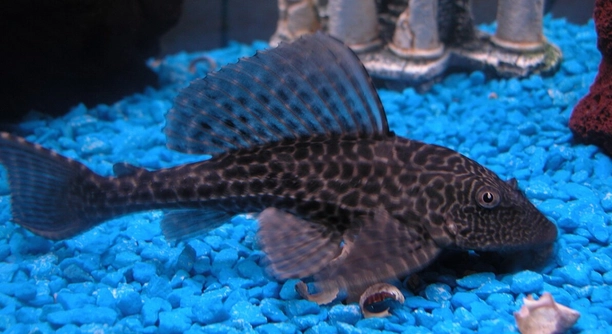
Plecostomus fish, often kept as peaceful tank companions, are known for their algae-eating habits. While they’re generally low-maintenance, certain behaviors may raise curiosity among fish owners. One common wonder is their sleeping patterns.
Plecostomus fish do not sleep with their eyes open. While their eyes remain open at times, this does not indicate sleep, as they do not have eyelids. These fish enter a restful state where they remain still, but their eyes stay unprotected.
The restfulness of these fish might look like they’re sleeping with their eyes wide open, but there’s more to their behavior. Understanding their unique sleep habits can help you care for them better in a home aquarium.
Understanding Plecostomus Fish Behavior
Plecostomus fish, often seen resting in aquariums, may appear as if they’re sleeping with their eyes open. This can be confusing, as many fish owners believe that if their eyes aren’t closed, they aren’t truly asleep. However, the truth is a bit different. Plecostomus fish do not have eyelids, so they cannot physically close their eyes like humans or other animals. Despite this, they do enter a restful state where their activity decreases, and they remain still, much like sleep. Their behavior may seem passive, but it’s an important part of their natural cycle, giving them time to recharge and restore their energy.
These fish are active at night, spending the daylight hours in rest, often hiding in plants or near decorations. Their inability to close their eyes doesn’t mean they are constantly alert. They rest with their eyes wide open, giving off the illusion that they’re always awake.
As nocturnal creatures, Plecostomus fish may not exhibit signs of sleep in the traditional sense. While their eyes are always open, their resting phase is vital for their well-being. Understanding this behavior helps avoid misinterpretations and ensures they’re being cared for properly, maintaining a healthy environment.
Sleep Cycle of Plecostomus
Plecostomus fish spend most of their active time in the evening and night. During the day, they reduce their activity, typically resting in quiet spots of the tank.
Their rest period is essential for recovery, allowing them to stay healthy in their environment. They need a peaceful and secure place to hide during daylight hours. Ensuring they have enough space and proper tank conditions is key for a comfortable resting phase.
Why Do Plecostomus Fish Rest with Eyes Open?
Plecostomus fish have evolved to rest with their eyes open due to the absence of eyelids. This adaptation allows them to remain alert to potential threats while in a resting state. Though they appear awake, they aren’t active and are in a restful phase that is important for their health.
While their eyes stay open, Plecostomus fish still follow a natural sleep cycle. Their resting behavior doesn’t mean they are constantly on alert, but they do remain vigilant to changes in their environment. They take this time to rest without fully shutting down, staying aware enough to react if necessary.
For fish owners, this behavior might look concerning at first, but it’s perfectly natural. Understanding that the fish are in a restful state, even with their eyes open, helps clarify why their sleep isn’t like that of many other animals. This behavior is key to their survival and well-being in the aquarium.
The Importance of Rest for Plecostomus Fish
Plecostomus fish rely on rest to stay healthy. Despite being active at night, they need quiet periods during the day to recover. Rest helps them restore energy and maintain balance in their behavior.
This fish species needs a calm environment where it can hide and reduce activity. It’s essential to provide them with hiding spots and appropriate tank conditions. Without a proper rest period, they may become stressed or inactive, affecting their health. By understanding their sleep needs, owners can ensure their fish remain active and healthy.
Are Plecostomus Fish Sensitive to Light?
Plecostomus fish are sensitive to light, which can affect their resting behavior. In nature, they prefer darker, more shaded areas where they can feel secure. In aquariums, bright light can disrupt their rest and cause stress, making it important to consider the lighting conditions.
It’s essential to avoid harsh lighting or direct light on Plecostomus fish tanks during the day. Low or indirect lighting helps them feel more secure and encourages them to rest properly. Ensuring the tank has shaded areas or plants for hiding allows these fish to manage their light exposure more comfortably.
Providing a Comfortable Resting Environment
Plecostomus fish need a comfortable and secure environment to thrive. Adding hiding spots, such as caves or dense plants, will provide them with areas to retreat when they need rest. This reduces stress and supports healthy behavior.
With proper setup, these fish can rest more naturally, ensuring their well-being. Tank decorations and lighting should be arranged to mimic their natural habitat, promoting restful periods and reducing anxiety. A relaxed environment helps Plecostomus fish stay healthy in their aquarium home.
Feeding Habits and Rest
Plecostomus fish are primarily herbivores, feeding on algae and other plant matter. Their feeding habits often align with their activity levels, as they tend to be more active at night when they are searching for food.
FAQ
Do Plecostomus fish need light to sleep?
Plecostomus fish don’t require light to sleep, but they do prefer low light environments during their rest periods. Bright lighting can stress them out and interfere with their natural behavior. They are nocturnal, so they thrive in dimly lit tanks during the day and become more active at night when it’s darker. Setting up the tank with areas of shade and dim lighting helps mimic their natural environment, making them feel secure and allowing them to rest properly.
How long do Plecostomus fish rest?
The amount of rest a Plecostomus fish needs varies, but generally, they rest for most of the daytime hours. During this time, they aren’t actively feeding or swimming but are in a low-energy state. They can rest anywhere from 10 to 12 hours a day, depending on their environment and tank conditions. At night, they are more active, exploring and foraging for food. It’s important to create a calm environment during the day so they can rest without disruptions, ensuring they maintain a healthy sleep cycle.
Do Plecostomus fish sleep like other fish?
While Plecostomus fish rest in a way that may appear similar to other fish, they do not sleep in the same manner. Unlike fish that close their eyes to sleep, Plecostomus fish keep their eyes open. This is because they lack eyelids. However, they still enter a restful phase that is essential for their well-being. They remain still and inactive during this time, similar to how other fish sleep, but their eyes never shut. It’s an adaptation that helps them stay aware of their surroundings even when resting.
Do Plecostomus fish get stressed easily?
Plecostomus fish are relatively hardy and not typically prone to stress if their environment is well-maintained. However, they can get stressed if the tank conditions aren’t optimal. Factors such as poor water quality, aggressive tank mates, or insufficient hiding spots can cause stress, which affects their overall health. Providing a peaceful, secure environment with appropriate tank conditions can help minimize stress. If a Plecostomus is stressed, you might notice a decrease in their activity or more erratic behavior. It’s important to maintain stable water parameters and provide adequate places for them to hide and rest.
Can Plecostomus fish sleep with other fish?
Plecostomus fish can sleep with other fish, provided the tank conditions are suitable. Since they are peaceful and typically keep to themselves, they won’t disturb other fish while resting. However, it’s important to ensure that their tank mates are compatible. Aggressive or overly active fish might disrupt the Plecostomus’s rest. Tank mates that are too small or too large could also cause stress. It’s best to house them with calm, non-territorial fish that don’t interfere with their resting periods. This ensures that all fish can coexist peacefully in the same tank.
How do I know if my Plecostomus is resting or sick?
It’s common for Plecostomus fish to stay still for long periods while resting. However, if you notice your fish staying still for too long and not responding to external stimuli, it might indicate a health issue. A healthy Plecostomus will occasionally move or interact with the environment, even during rest. If the fish looks lethargic, has irregular swimming patterns, or seems unresponsive, these could be signs of illness. Also, pay attention to any changes in their eating habits. If your fish stops eating or shows unusual behavior, it’s a good idea to test the water quality and monitor for signs of disease.
How can I help my Plecostomus fish rest better?
To help your Plecostomus fish rest more comfortably, ensure that their tank mimics their natural environment. They prefer having hiding spots, such as caves or dense plants, where they can retreat when they need rest. Keeping the tank well-lit with dim lighting during the day can also promote better rest. Regular water changes and maintaining stable water conditions will help them feel safe and relaxed. Avoid placing the tank near high-traffic areas, as this can cause unnecessary disturbances. The more secure and comfortable your Plecostomus fish feel, the better rest they will get.
Can Plecostomus fish sleep upside down?
Plecostomus fish are generally able to rest in different positions, including upside down, though this is not typical behavior. They are bottom-dwelling fish and usually rest near the bottom of the tank or against decorations. If a Plecostomus is seen upside down, it could indicate a health problem, such as a swim bladder issue, which affects buoyancy and swimming. In healthy conditions, they will not sleep upside down but will instead seek resting spots on the tank floor or near rocks where they feel secure. Always monitor your fish for any unusual behaviors that may signal health concerns.
How often should I clean the tank for my Plecostomus fish?
Plecostomus fish help keep the tank clean by feeding on algae, but they still need a properly maintained environment. Regular water changes and cleaning the substrate every week or two are important to maintain good water quality. You should also clean the filter monthly and make sure that it is functioning properly. Algae buildup can occur in tanks with Plecostomus, so it’s essential to monitor this and remove any excess algae manually to avoid water quality problems. Keeping the tank clean ensures a healthier and more comfortable environment for your fish.
Can I feed Plecostomus fish during their rest periods?
It’s not necessary to feed Plecostomus fish while they are resting, as they are typically less active during the day. They are nocturnal feeders and will search for food during the evening or night. Providing food during their resting phase could disrupt their sleep cycle and cause unnecessary stress. It’s best to feed them in the evening or at night, when they are naturally active and searching for food. By following their natural feeding patterns, you ensure that they are well-fed without affecting their rest.
Final Thoughts
Plecostomus fish are fascinating creatures with unique behaviors, especially when it comes to their resting habits. While they may appear to sleep with their eyes open, this is simply because they do not have eyelids. Instead, they enter a restful state where they remain still and inactive, but still remain alert to potential threats in their environment. This behavior is completely natural and plays an important role in their survival. Understanding these sleep patterns helps aquarium owners provide a more suitable environment for their fish, making sure they have the space and comfort needed to rest effectively.
It’s important to note that while Plecostomus fish don’t sleep in the traditional sense, they still require a peaceful environment to rest properly. Without enough hiding spots or appropriate lighting, they may become stressed, which can affect their overall health. Creating a tank setup that mimics their natural habitat—complete with dim lighting and secure hiding spaces—is key. This setup encourages them to enter a restful state without the risk of feeling threatened or unsettled. A peaceful, well-maintained tank will ensure that these fish get the rest they need while also reducing the chances of stress-related issues.
In conclusion, Plecostomus fish are resilient and adaptable, but they still need attention to their specific needs, especially when it comes to rest. Their unique way of resting with their eyes open doesn’t mean they are constantly awake or alert, but rather that they remain in a quiet, calm state while still being aware of their surroundings. By paying attention to their environment and understanding their behavior, you can ensure that your Plecostomus fish stay healthy and thrive in your aquarium for years to come.

Hello,
If you enjoy the content that we create, please consider saying a "Thank You!" by leaving a tip.
Every little bit helps us continue crafting quality advice that supports the health, happiness, and well-being of pets around the world, for pets of all shapes, sizes, and species.
We really appreciate the kindness and support that you show us!