
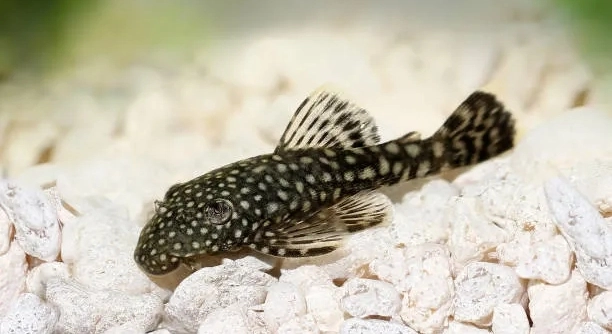
Plecostomus fish are a popular choice for aquarium enthusiasts. Their unique appearance and behavior often make them intriguing to observe. Understanding their habits can shed light on how they interact with their environment.
Plecostomus fish do not typically form strict routines, but they exhibit certain patterns in their behavior. They are primarily nocturnal, becoming more active during the night. While their actions are not routine-based, they can follow regular feeding and hiding habits.
Observing these patterns can help you understand their needs and provide a better environment for your Plecostomus fish.
Do Plecostomus Fish Have Set Feeding Times?
Plecostomus fish are known to be primarily nocturnal feeders, meaning they tend to eat when the lights are off. This can give the impression that they follow a specific routine. However, their feeding patterns are more related to the availability of food rather than any set schedule. If food is present, they will actively graze, usually on algae or any leftover food in the tank. Some owners have noticed their Plecos feeding more during certain times, but this is often influenced by the aquarium’s lighting schedule.
A well-maintained aquarium provides a steady source of food for your Plecostomus. They can adapt their feeding habits based on when food is available, even if it’s not strictly scheduled. Their behavior may seem routine, but it’s often driven by factors like light, temperature, and food access.
The fish’s nighttime activity aligns with their natural instincts to feed in the dark, helping them stay hidden from potential predators. This behavior makes it important for owners to understand their fish’s needs, ensuring they thrive.
Plecostomus Fish and Tank Routines
Plecostomus fish do not follow strict daily routines, but they do have consistent behaviors related to their environment. They are creatures of habit in certain ways, like where they hide or the areas they prefer to graze. These habits help them feel secure and comfortable in the aquarium.
They often prefer specific areas of the tank to call home, typically hiding in caves or near the substrate. Plecos tend to follow a set pattern of resting in these spots during the day. At night, they are more active, moving around to feed and explore. While not rigid, these actions provide a glimpse into their daily rhythm.
Understanding these behaviors helps owners manage their tank environment. Keeping the aquarium well-maintained and providing hiding spots can encourage the Plecostomus to stay active and healthy. Knowing their preferred habits can also help prevent stress and ensure they remain content in their habitat.
Do Plecostomus Fish Need Regular Interaction?
Plecostomus fish are largely independent creatures and do not require regular interaction with their owners. They are not social like some other aquarium species, and their behavior tends to be more solitary. They may interact with tankmates, but it’s usually limited to feeding or sharing space.
Unlike some species, Plecos don’t rely on human interaction to feel secure. They are content as long as they have their basic needs met, like proper water conditions and food. Plecos are more concerned with their environment than with engaging with you, so they won’t form personal connections.
This means your Plecostomus is best left to its own devices. Regular maintenance, feeding, and ensuring the environment is stable are enough to keep your fish healthy. Plecos will thrive with minimal interaction, as long as their habitat meets their needs.
Plecostomus Fish and Their Activity Patterns
Plecostomus fish are primarily nocturnal and tend to be more active during the night. They rest during the day in hidden areas, such as caves or behind decorations, making them harder to spot. At night, they become more active, grazing on algae and exploring the tank.
This activity pattern is typical for Plecos in both the wild and in captivity. They instinctively feed in the dark to avoid predators. In an aquarium, owners may notice them moving more during evening hours, further confirming their nocturnal nature. Adjusting your tank’s lighting can help align with this behavior.
Providing a dark, quiet environment at night can encourage them to follow this natural rhythm. Keeping the aquarium light on during the day and off at night gives Plecos the opportunity to rest and feed as they would in the wild.
Tank Setup for Plecostomus Fish
To help Plecos thrive, create a tank environment that aligns with their natural behavior. Plecos appreciate plenty of hiding spots, so caves or thick plants are essential. They need space to swim and feel secure. A clean, well-maintained tank is also important to keep them healthy.
Proper water conditions are key for their well-being. Keep the water temperature steady and monitor the pH regularly. As algae eaters, they rely on a stable food source, which means keeping the tank free from excess waste. Regular maintenance will ensure their habitat stays safe and comfortable.
How Plecostomus Fish React to Tankmates
Plecostomus fish are generally peaceful but can be territorial. They may show aggression toward other Plecos or similar species, especially if space is limited. It’s important to ensure there’s enough space for all tankmates to coexist peacefully.
Tankmates should be chosen carefully, ensuring they do not compete for food or territory. Plecos typically get along well with peaceful, bottom-dwelling species, but overcrowding can lead to stress or territorial disputes. Keeping a balanced number of fish and providing plenty of hiding spaces will help prevent conflict.
FAQ
Do Plecostomus Fish Need a Filter?
Yes, Plecostomus fish need a filter in their tank. These fish are bottom dwellers, and they produce waste that can quickly affect the water quality. A filter helps maintain clean water by removing excess food, waste, and debris. It also ensures proper water circulation, which is essential for their health. Without a filter, the tank water could become polluted, leading to stress and health problems for the Plecos. Be sure to maintain the filter regularly to keep the water conditions stable.
What Size Tank Does a Plecostomus Need?
Plecostomus fish grow large, so they require a spacious tank. A minimum of 75 gallons is recommended for one Pleco. Larger tanks are necessary if you plan to keep more than one. These fish need plenty of room to swim and explore, as they can grow up to 24 inches in length. Providing a larger tank also helps maintain better water quality by allowing more space for filtration. Smaller tanks are not suitable for Plecos as they can lead to stunted growth and unhealthy conditions.
Can Plecostomus Fish Live with Other Fish?
Yes, Plecostomus fish can live with other species, but careful consideration is necessary. They tend to get along well with peaceful fish that don’t compete for bottom space or food. Ideal tankmates include fish like tetras, guppies, or peaceful cichlids. However, Plecos may become territorial, especially if the tank is too small or if other bottom-dwelling species are present. Providing plenty of hiding spots and space in the tank will help prevent conflicts.
Do Plecostomus Fish Need Light?
Plecostomus fish do not need light in the same way that some species do. Since they are nocturnal, they are naturally more active in low-light conditions. It’s important to simulate a day-night cycle for them by providing lighting during the day and turning it off at night. This helps maintain their natural rhythm and allows them to rest. Excessive light can cause stress, so a balance is key. Tank lighting should not be too bright, as it may interfere with their feeding habits.
How Often Should I Feed My Plecostomus Fish?
Plecostomus fish should be fed once a day, but it’s important not to overfeed them. They are omnivores and will consume algae, detritus, and leftover food in the tank. To supplement their diet, offer algae wafers, sinking pellets, and fresh vegetables like zucchini or cucumber. Ensure that the food you provide sinks to the bottom of the tank to accommodate their feeding habits. Remove any uneaten food after a few hours to prevent water contamination.
Can Plecostomus Fish Live Alone?
Yes, Plecostomus fish can live alone, though they are not social creatures. They are perfectly content by themselves, as long as their environment is properly set up. Some people prefer keeping a single Pleco in their tank because of their large size and territorial nature. If you choose to keep more than one, make sure the tank is large enough to provide each Pleco with its own space to avoid territorial conflicts.
How Do You Take Care of a Plecostomus Fish?
Taking care of a Plecostomus fish involves maintaining clean water, providing adequate space, and offering a balanced diet. Regularly clean the tank and perform water changes to ensure the conditions are ideal for your Pleco. Keep an eye on water temperature, pH, and filtration to ensure it meets their needs. A well-maintained tank with hiding spots and the right tankmates will help your Pleco stay healthy and active. Keep an eye on its behavior and make adjustments if needed to prevent stress.
Do Plecostomus Fish Need a Heater?
If you live in a colder climate, a heater may be necessary for your Plecostomus fish. They thrive in water temperatures between 74°F and 80°F (23°C to 27°C). If the tank water falls below this range, it could affect their health. A reliable aquarium heater will help maintain a stable temperature year-round. Make sure the heater is suited for the size of your tank to avoid overheating or underheating the water.
Why Is My Plecostomus Fish Not Eating?
If your Plecostomus fish isn’t eating, it may be due to several factors. Stress from a poor environment, such as overcrowding or improper water conditions, could be the cause. Also, check the water quality and temperature, as these can impact your fish’s appetite. Sometimes, if a Pleco is new to a tank, it may take some time to adjust. Try offering different types of food, such as algae wafers or fresh vegetables, to see if it sparks interest. If the problem persists, consider consulting an aquarium professional.
Do Plecostomus Fish Need a Lot of Oxygen?
Plecostomus fish are hardy and can thrive in tanks with moderate oxygen levels. However, they do benefit from well-oxygenated water, especially in larger tanks. The presence of a filter or air pump helps maintain oxygen circulation, which is essential for their health. While Plecos don’t require extreme levels of oxygen, ensuring that the tank has good water movement and proper filtration will support their overall well-being.
Final Thoughts
Plecostomus fish are fascinating creatures that can be a great addition to any aquarium. They are known for their algae-eating habits and unique appearance, making them a valuable part of maintaining a clean and healthy tank. While they are relatively low-maintenance compared to other fish, they do require specific care to thrive. This includes providing a proper tank size, maintaining water quality, and offering a suitable diet. Keeping these needs in mind will ensure your Pleco stays healthy and active.
It’s important to remember that Plecos are not highly social fish. They do best when kept alone or with other peaceful species. Overcrowding can lead to stress, which can affect their health. Additionally, Plecos are nocturnal and will be most active at night. They prefer a tank setup that offers plenty of hiding spaces and quiet areas to rest during the day. If you provide them with a calm, secure environment, they will naturally adapt to their surroundings and show their true behavior.
Ultimately, Plecostomus fish can live for many years if their care requirements are met. They are relatively hardy, but water quality and proper tank maintenance should never be overlooked. Whether you’re a beginner or an experienced aquarium keeper, taking the time to understand their needs will help you create a thriving environment for your Pleco. By respecting their natural behavior, you can ensure that your fish will remain a healthy, content part of your aquarium for years to come.

Hello,
If you enjoy the content that we create, please consider saying a "Thank You!" by leaving a tip.
Every little bit helps us continue crafting quality advice that supports the health, happiness, and well-being of pets around the world, for pets of all shapes, sizes, and species.
We really appreciate the kindness and support that you show us!