
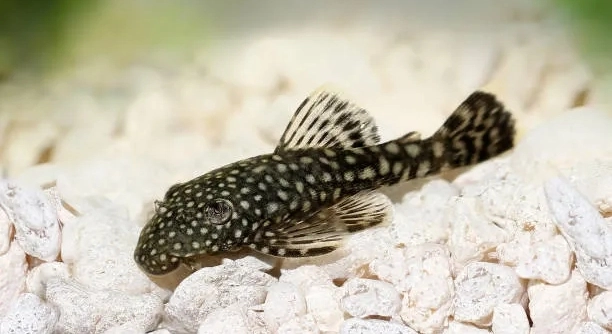
Plecostomus are popular aquarium fish, known for their algae-eating abilities. As fish keepers, you may wonder about their diet and whether snails are part of it. Understanding their feeding habits can help create a balanced aquarium environment.
Plecostomus generally do not eat live snails. Their primary diet consists of algae, plant matter, and detritus. While some plecos may consume small snails in specific circumstances, they are not significant predators of snails and are not considered effective pest control.
Exploring their diet further reveals that while snails may sometimes be consumed, they are not a primary food source.
Do Plecostomus Eat Snails in the Wild?
In their natural habitat, plecostomus fish are primarily scavengers, feeding on algae, fallen leaves, and detritus. They are not known to actively hunt snails as a part of their regular diet. Plecos play a significant role in controlling algae growth in rivers and streams. Their diet can include some animal matter, like insects or small crustaceans, but snails are not a primary food source. In the wild, plecostomus rely on the abundance of plant matter and algae, which provides the necessary nutrients for their health and growth.
While snails might occasionally end up as a snack, they are not the go-to meal for plecos. The algae found in their natural environments is far more appealing and accessible to them. This is why they are often added to aquariums to help manage algae.
However, some species of plecostomus may display more aggressive behavior towards snails if food sources are scarce. But, in a healthy, well-maintained aquarium, plecos will prefer algae over snails.
Will Plecostomus Eat Snails in an Aquarium?
In most aquarium setups, plecostomus fish may consume snails, but they will not actively hunt them. Instead, they prefer algae and leftover food. With proper tank care, plecos tend to stay focused on plant-based matter rather than hunting snails.
It’s important to note that while plecos might occasionally eat snails, they aren’t reliable as snail control. If your tank is overrun with snails, you’ll need a different approach, such as introducing snail-eating species like loaches. Plecos’ eating habits also depend on their size and species. Larger plecos might be more inclined to eat snails than smaller ones.
If snails become a problem in your tank, introducing snails-eating fish or manually removing snails is a better solution. While plecos may snack on them, they are not particularly effective at controlling snail populations.
Are Plecostomus Effective at Controlling Snail Populations?
Plecostomus are not the most effective way to manage snail populations in an aquarium. They may consume a few snails, but their diet focuses on algae and plant material. While they might eat some snails occasionally, they are not reliable snail predators.
If you have a heavy snail population in your tank, relying on plecos won’t provide the control you need. Plecos don’t actively hunt snails, so your best option for snail control would be to introduce species specifically known for eating snails, such as loaches or assassin snails. These species are more likely to target snails and help reduce their numbers.
To ensure that plecos aren’t harming other tank inhabitants while feeding on snails, it’s important to maintain proper tank conditions. This includes having enough algae and plant material to keep plecos well-fed. If snails are consuming plants or causing other issues, it may be time to consider adding a more active snail predator.
How to Handle Snail Problems Without Plecos
If you are struggling with snails in your tank, plecos won’t offer a solution. You can tackle the problem by manually removing snails or introducing more efficient snail-eating species. Loaches, particularly clown loaches, are known for being effective at reducing snail populations. These fish actively hunt snails, helping to keep your aquarium cleaner.
Another option is introducing assassin snails. These snails specialize in hunting and eating other snails, which can help keep your snail problem under control. However, it’s important to note that assassin snails won’t completely eliminate snails but can help reduce their numbers significantly.
Can Plecostomus Coexist with Snails?
Plecostomus and snails can coexist in the same aquarium without significant issues. Since plecos mainly feed on algae, they do not directly compete with snails for food. However, depending on the pleco species, they may occasionally consume small snails.
If snails are a concern, ensure your plecos are well-fed with algae and plant material. This will reduce the chance of them eating snails. A balanced tank environment with a proper food source for both species helps maintain harmony between plecos and snails. Still, some plecos may eat snails if given the chance.
How to Prevent Snail Overpopulation
To prevent snail overpopulation in your aquarium, it’s essential to manage their breeding. Snails reproduce quickly, so removing excess snails and controlling their food source can help. Limiting overfeeding is another simple solution, as leftover food can encourage snail growth.
You can also introduce snails-eating fish or invertebrates. Loaches, particularly the yoyo loach, are excellent at controlling snail populations. Regular tank maintenance, such as removing debris and uneaten food, also discourages snail reproduction. Keep an eye on your tank and remove excess snails to avoid an overrun.
Alternatives to Plecos for Snail Control
If you need to control snails, there are other fish and invertebrates more suited for the job. As mentioned, loaches are excellent snail predators. Other options include pufferfish, which are known to eat snails, and certain types of catfish.
Consider also using natural predators like crabs or certain shrimp species, which will help reduce snail populations. These species are more reliable than plecos, and they actively target snails. Always research the compatibility of these species with your current aquarium setup before adding them to your tank.
FAQ
Do plecos eat snails in a tank?
Plecos may occasionally eat snails, but they are not considered reliable snail eaters. Their main diet consists of algae, plant matter, and detritus. Some plecos might snack on snails if they’re small enough, but snails are not a primary food source. If you want to control snails, it’s better to rely on other species that actively hunt snails, such as loaches.
Are plecos good for controlling snails?
Plecos are not the best choice for controlling snails in an aquarium. While they may eat a few snails, they are not efficient at reducing snail populations. Plecos prefer algae and other plant-based foods, and their snail-eating behavior is not consistent enough to manage an overpopulation. If you need effective snail control, consider using loaches, pufferfish, or assassin snails.
How can I reduce snail populations in my tank?
To reduce snail populations, start by manually removing them from your tank. Snails can breed quickly, so regular removal is important. You can also reduce overfeeding, as excess food encourages snails to reproduce. Introducing snail-eating species, like loaches or assassin snails, will help keep the population under control.
Can I add loaches to my tank for snail control?
Yes, loaches, particularly clown loaches and yoyo loaches, are excellent at controlling snail populations. These species actively hunt and consume snails, making them much more reliable than plecos. Be mindful of the size of your tank and the compatibility of loaches with other fish before adding them to your setup.
What other species can help control snails?
Aside from loaches, other species that are effective at controlling snails include pufferfish, certain catfish, and some species of shrimp, like the amano shrimp. Pufferfish, in particular, are known for their ability to eat snails. You can also use assassin snails, which specialize in hunting and consuming other snails.
How do I prevent snail overpopulation in my aquarium?
To prevent snail overpopulation, keep your tank clean by removing excess food and debris. Snails breed quickly, and providing a constant food source will encourage their growth. Regularly check your tank for snails and remove any that you see. Introducing snail-eating species or predators will help manage their numbers.
Can plecos live with snails?
Yes, plecos can generally live with snails. They won’t usually harm snails unless there is a shortage of food, in which case they may consume some. However, plecos primarily feed on algae and plant matter, so they do not directly compete with snails for food. If you have both in your tank, make sure there is enough algae to feed your pleco and other plant-based material to keep snails from overpopulating.
Why do plecos sometimes eat snails?
Plecos may eat snails in certain situations, usually when they are small enough or if food is scarce. However, this is not typical behavior, as plecos are primarily herbivores. They may occasionally eat snails, but they will not actively hunt them. They prefer algae and detritus as their main food sources.
Are there any downsides to having plecos for snail control?
The main downside of using plecos for snail control is that they are not effective. Plecos may eat a few snails, but their diet mainly consists of algae and other plant matter. If you rely solely on plecos for snail control, you might still face overpopulation issues. It’s better to pair plecos with other snail-eating species for more effective control.
Do plecos eat eggs from snails?
Plecos may sometimes consume snail eggs, but they do not actively seek them out. If snail eggs are present on aquarium surfaces, plecos might nibble on them, especially if algae or biofilm is present. However, relying on plecos to control snail eggs is not a dependable method.
How can I tell if my pleco is eating snails?
If your pleco is eating snails, you might notice it nibbling on smaller snails or their shells. You may also see a decrease in snail numbers over time. However, since plecos are not considered reliable snail eaters, it’s more likely that they are focusing on algae and detritus. If you suspect your pleco is eating snails, monitor its behavior and snail population closely.
Can I use chemical treatments for snail control instead of relying on plecos?
Yes, you can use chemical treatments to control snail populations, but this should be a last resort. Some aquarium treatments target snails without harming other fish, but they can have side effects. It’s usually better to rely on natural methods, like removing snails manually or introducing snail-eating species, as chemical treatments can disrupt your tank’s ecosystem.
How do assassin snails work to control snails?
Assassin snails are effective at controlling snail populations because they actively hunt and consume other snails. These snails will target smaller snails and gradually reduce their numbers. Keep in mind that assassin snails will only eat other snails and will not impact the rest of your tank’s inhabitants.
Are there any risks to introducing loaches for snail control?
Loaches are generally safe for controlling snails, but they may not be suitable for all tank setups. Some loaches, like clown loaches, can grow large and may need a bigger tank. Additionally, loaches may become aggressive towards other tankmates. Always ensure that the loach species you choose is compatible with your other fish and tank size.
Final Thoughts
When it comes to managing snails in your aquarium, plecos are not the most reliable option. While they may eat a few snails from time to time, they mainly focus on algae and plant matter. If you’re looking to control snail populations effectively, relying on plecos alone is not the best approach. For more consistent results, you can consider adding other species that are known for their ability to hunt and consume snails, such as loaches, pufferfish, or assassin snails.
Snail overpopulation can quickly become a problem if not managed. Snails reproduce rapidly, and a few can quickly turn into an overwhelming number. Regular tank maintenance, such as removing excess food and debris, is essential to prevent them from multiplying out of control. Introducing snail-eating fish or invertebrates can also help balance the ecosystem of your aquarium, ensuring that snails are kept in check without harming the rest of your tank’s inhabitants.
It’s important to choose the right approach based on your tank’s setup and the species you have. Some fish, like loaches, actively hunt snails and can be a more effective solution for controlling their numbers. Others, like plecos, may contribute minimally but should not be counted on as the main solution. Ultimately, ensuring your tank has a proper balance of food sources, cleaning routines, and compatible species will help maintain a healthy and peaceful environment for all your aquarium creatures.

Hello,
If you enjoy the content that we create, please consider saying a "Thank You!" by leaving a tip.
Every little bit helps us continue crafting quality advice that supports the health, happiness, and well-being of pets around the world, for pets of all shapes, sizes, and species.
We really appreciate the kindness and support that you show us!