
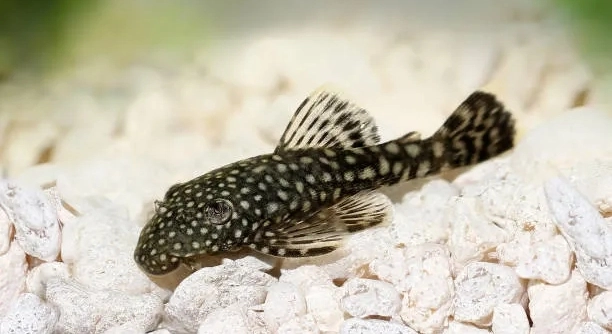
Plecostomus are popular aquarium fish known for their algae-eating habits. However, many fish owners wonder if these bottom-dwellers will consume dead fish. Understanding their feeding behavior is important for maintaining a healthy tank.
Plecostomus are opportunistic feeders, and while they are not primarily scavengers, they may eat dead fish in certain conditions. They tend to feed on decaying matter in the tank, but they do not actively hunt for dead fish.
To keep your tank clean and healthy, it’s essential to understand their diet and habits. We’ll explore how to manage their feeding preferences and what it means for your aquarium.
Do Plecostomus Eat Dead Fish in the Wild?
Plecostomus are primarily herbivores, feeding mostly on algae, plant matter, and detritus in their natural habitats. While they can scavenge in the wild, their diet mainly revolves around plant material and organic matter that’s already decaying. This scavenging behavior may sometimes include dead fish, but it is not their preferred source of food. In fact, they will often go after algae and leftover food instead of actively hunting for dead fish. This makes them a useful addition to aquariums, as they help clean the tank by consuming algae and debris.
In the wild, plecostomus are opportunistic feeders. They may come across a dead fish and consume it if it’s readily available, but they don’t actively seek out carcasses. Their feeding habits are more about cleaning up decaying matter rather than scavenging for large amounts of protein.
Since plecostomus are not specifically adapted for hunting or killing fish, they aren’t a major concern when it comes to dead fish in an aquarium. They will consume decaying organic matter when they come across it but do not actively go after living fish.
Do Plecostomus Eat Dead Fish in Aquariums?
In aquariums, plecostomus may sometimes be observed eating dead fish, but this behavior is relatively uncommon. If a fish dies in the tank, a plecostomus might nibble on it if no other food source is available, as it is an opportunistic feeder.
Their diet is more focused on algae and other organic debris, and they usually won’t feast on dead fish unless necessary. However, a sudden death in the tank can attract plecostomus, especially if the carcass provides easy access to soft tissue. It’s important to remove dead fish quickly to prevent them from decaying and fouling the water.
Aside from dead fish, plecostomus typically feed on algae, sinking pellets, and other plant-based foods. Their role in the tank is more about helping to maintain cleanliness by removing excess algae and leftover food. While they may eat dead fish in extreme cases, it’s more likely that they are drawn to the decaying matter rather than actively seeking it out. Maintaining a clean tank by removing dead fish and uneaten food will help keep plecostomus focused on their natural diet and improve water quality.
Why Plecostomus Won’t Always Eat Dead Fish
Plecostomus are not natural scavengers like some other fish species. They prefer algae and plant matter, and typically don’t hunt for dead fish. While they may nibble on a deceased fish if it’s easily accessible, it’s not their go-to food source.
They have specialized mouths designed to scrape algae from rocks and tank surfaces. This behavior indicates their primary food preference is plant-based. Dead fish may provide some nutrients, but plecostomus will generally ignore them if they have access to their preferred algae or other plant-based foods. Regularly cleaning the tank and ensuring proper nutrition will keep plecostomus from relying on dead fish as a food source.
While plecostomus may be seen nibbling on a dead fish from time to time, this doesn’t mean they actively seek it out. Their eating habits are shaped by what is readily available in the tank. If algae and plant matter are abundant, they’re unlikely to focus on decaying fish. It’s important to provide plecostomus with a proper diet to avoid unnecessary scavenging.
How to Prevent Plecostomus from Eating Dead Fish
To discourage plecostomus from eating dead fish, it’s essential to maintain a clean and well-maintained tank. Dead fish should be removed immediately to prevent decomposition and eliminate potential food sources for scavengers.
Regular water changes and tank cleaning also help prevent the build-up of decaying organic matter. This keeps the environment healthy for all the fish, including plecostomus. Ensure that your plecostomus have enough algae and plant material to graze on by providing algae wafers or other appropriate food. Keeping the tank well-lit can also encourage algae growth, which will help your plecostomus thrive.
By removing uneaten food, dead fish, and debris from the tank regularly, you can prevent plecostomus from consuming anything they shouldn’t. Their primary diet should be plant-based to ensure they stay healthy and focused on their natural feeding habits. Ensuring proper tank maintenance benefits not only plecostomus but all the fish in the tank.
The Risks of Dead Fish in the Tank
Leaving dead fish in your aquarium can lead to water quality issues. As the fish decomposes, it releases harmful substances like ammonia and nitrites into the water, which can be dangerous for other fish.
Even if plecostomus might consume some of the decaying matter, dead fish still contribute to an unhealthy tank environment. High ammonia levels can cause stress or illness in your fish, leading to further complications. Regularly removing dead fish helps maintain the stability of the tank’s ecosystem, ensuring the health of your aquatic life.
Plecostomus Feeding Habits and Health
Plecostomus feed primarily on algae, detritus, and plant matter, with an occasional nibble on leftovers or dead fish. It’s important to offer them a balanced diet to ensure they get the proper nutrients. Algae wafers, sinking pellets, and vegetables like zucchini can supplement their diet.
Feeding plecostomus a proper diet helps prevent them from relying on dead fish. A nutritious diet supports their overall health and reduces the likelihood of them scavenging for decaying matter. Overfeeding should be avoided, as excess food can pollute the water and lead to poor water quality.
How to Encourage Natural Feeding Behavior
To encourage plecostomus to stick to their natural diet, make sure to provide an environment rich in algae. If your tank lacks sufficient algae, supplement their diet with appropriate food, such as algae wafers and plant-based options.
FAQ
Do plecostomus actively hunt for dead fish?
No, plecostomus are not known to actively hunt for dead fish. They are primarily algae-eaters, consuming plant matter and detritus. However, they might nibble on a dead fish if it’s easily accessible. They are opportunistic feeders but do not typically go after dead fish unless other food sources are unavailable.
Will a plecostomus eat live fish?
Plecostomus are not predatory fish, so they won’t hunt or eat live fish. Their mouths are adapted for scraping algae from surfaces rather than catching and eating other fish. If you notice a plecostomus eating live fish, it could be due to stress, a lack of food, or other environmental issues.
What should I feed my plecostomus?
Plecostomus thrive on algae and plant matter. In addition to natural algae in the tank, you can provide them with algae wafers, sinking pellets, and fresh vegetables like zucchini or cucumber. It’s important to give them a varied diet to ensure they get all the nutrients they need. Overfeeding can lead to water quality problems, so feed them in moderation.
How can I keep my plecostomus from eating dead fish?
To prevent plecostomus from eating dead fish, you should remove any deceased fish from the tank as soon as possible. Regularly clean the tank to remove any debris or uneaten food. Providing a balanced diet with plenty of algae and plant-based foods will keep your plecostomus focused on their preferred food sources.
Is it okay if plecostomus eat dead fish?
While it’s not harmful for plecostomus to eat dead fish on occasion, it’s not ideal for them to rely on this source of food. Dead fish can contribute to poor water quality, leading to harmful ammonia spikes. Consistently providing proper food for your plecostomus is better for both their health and the overall tank environment.
Can plecostomus clean up dead fish in the tank?
Plecostomus may help clean up some of the decaying matter from a dead fish, but they are not the best option for cleaning up after a fish death. Relying on plecostomus to clean up dead fish can cause water quality problems. It’s always best to remove dead fish as soon as possible to maintain a healthy tank environment.
How often should I feed my plecostomus?
Feed your plecostomus once a day or every other day, depending on the tank’s algae growth and the other food sources available. Overfeeding can result in excess food that contributes to poor water quality. Pay attention to how much your plecostomus consumes to avoid overfeeding.
Are plecostomus good for cleaning aquariums?
Plecostomus are often used in aquariums for their algae-eating abilities. They help keep the tank clean by consuming algae and detritus. However, they won’t clean every surface in the tank. They are best suited for small to moderate algae removal but won’t eliminate all the debris on their own.
What happens if plecostomus are not fed enough?
If plecostomus are not fed enough, they may start scavenging for other food sources, including dead fish or leftover food. A lack of proper nutrition can lead to malnutrition, causing health problems over time. It’s important to feed plecostomus enough food to meet their dietary needs.
Can plecostomus live with other fish?
Yes, plecostomus are peaceful fish and generally get along with other tank mates. However, they can sometimes be territorial, especially with other bottom-dwellers. When choosing tank mates, make sure to select species that won’t compete with the plecostomus for food or space.
Do plecostomus need special tank conditions?
Plecostomus do best in well-maintained tanks with clean water and proper filtration. They prefer slightly warmer water temperatures between 75°F and 80°F (24°C to 27°C). Providing a tank with hiding spots, such as caves or plants, will help them feel secure. Regular water changes are important to maintain a healthy environment.
What size tank do plecostomus need?
As plecostomus can grow quite large, it’s essential to provide them with enough space to move around comfortably. A minimum tank size of 75 gallons is recommended for adult plecostomus. Larger tanks are better suited for these fish, as they will have more space to thrive and perform their natural algae-eating duties.
Why is my plecostomus not eating?
If your plecostomus isn’t eating, it could be due to stress, water quality issues, or a lack of food sources. Ensure that your tank is properly maintained, with clean water and sufficient algae. Sometimes plecostomus are just more active at night, so try offering food in the evening to see if they eat.
How long can plecostomus go without food?
Plecostomus can survive for a short time without food, particularly if there is enough algae or detritus in the tank. However, they should not be left without food for extended periods. Depending on their size and environment, they can go without food for a few days, but it’s best to avoid this situation.
Can plecostomus live without algae?
Algae is a major part of a plecostomus’ diet, but they can survive without it for a while if other food options are available. If your tank doesn’t have enough algae, you can supplement their diet with algae wafers, sinking pellets, and vegetables to meet their nutritional needs.
Final Thoughts
In general, plecostomus are not fish that actively seek out dead fish to eat. They are primarily herbivores and prefer algae, plant matter, and detritus as their food sources. While they might nibble on a dead fish if it’s available, it’s not a regular part of their diet. This makes them useful for maintaining a cleaner tank by consuming algae and leftover plant matter, but not necessarily as a scavenger for dead fish. Their feeding habits are shaped by what is available to them, and they will tend to go for more natural food sources first.
Maintaining a healthy tank environment is essential if you want to prevent plecostomus from eating dead fish. The key is to remove any deceased fish quickly to avoid water contamination. Decaying fish can lead to harmful spikes in ammonia and nitrites, which can harm both your plecostomus and other tank residents. By ensuring that dead fish are promptly removed and by providing enough algae and plant-based food, you can help your plecostomus focus on their natural eating habits. It’s also crucial to maintain clean water, as this supports their health and reduces the chances of them scavenging for decaying matter.
Overall, plecostomus make great additions to aquariums because of their algae-eating behavior, but their diet must be managed properly to keep them healthy. A well-maintained tank with plenty of algae and plant matter will help keep them from relying on dead fish as a food source. Regular tank maintenance, proper nutrition, and quick removal of dead fish are important steps in making sure your plecostomus thrive and maintain the best eating habits possible.

Hello,
If you enjoy the content that we create, please consider saying a "Thank You!" by leaving a tip.
Every little bit helps us continue crafting quality advice that supports the health, happiness, and well-being of pets around the world, for pets of all shapes, sizes, and species.
We really appreciate the kindness and support that you show us!