
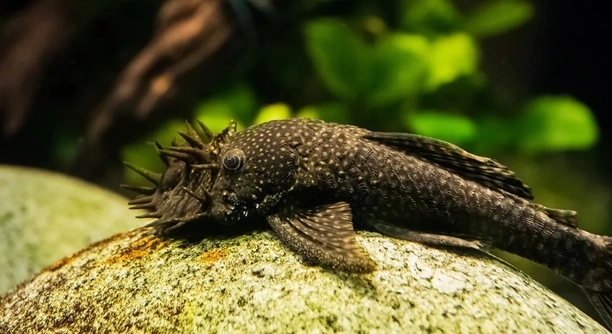
Do you ever find yourself wondering why your pleco seems overly interested in other fish in your aquarium?
Plecos sometimes suck on other fish due to a mix of hunger, stress, or limited food sources. This behavior often targets slow-moving or flat-bodied fish, especially when plecos lack enough algae or plant-based foods.
Understanding why this happens can help you create a safer and more balanced environment for all your aquatic pets.
Why Do Plecos Suck on Other Fish?
Plecos are mostly peaceful fish, but under certain conditions, they may start sucking on the bodies of tank mates. This behavior usually stems from dietary needs not being met. In the wild, plecos graze on algae and plant matter throughout the day. When kept in a tank without enough algae or supplemental food, they may turn to other fish for the slime coating on their bodies, which contains protein and nutrients. Stress can also play a role. If the tank is overcrowded, or if the water quality is poor, plecos can become more aggressive or desperate. Fish with flat bodies like goldfish are especially vulnerable because they move slowly and are easy targets. It’s not an act of aggression, but rather a sign that something in the environment needs to be fixed. Providing more hiding spaces, better food, and maintaining clean water can help reduce this behavior.
This kind of sucking isn’t a natural feeding habit but more of a stress or hunger response.
Feeding your pleco a proper diet and keeping the tank conditions stable will greatly reduce the chance of it bothering other fish.
How to Stop This Behavior
Keep your pleco well-fed with algae wafers, blanched vegetables, or sinking pellets made for herbivores.
If your pleco is sucking on other fish, it usually means the current setup isn’t working. Start by increasing the amount of plant-based food you offer. Algae wafers, zucchini, cucumber, and peas can keep them busy and satisfied. Check the tank size—plecos need space. A small tank may cause stress and territorial behavior. Water quality is also important. Poor conditions can irritate both the pleco and the other fish, leading to conflict. Make sure ammonia and nitrate levels are safe, and do regular water changes. Also, avoid keeping plecos with slow or long-finned fish that might not be able to get away. Provide plenty of hiding places like driftwood and caves. Plecos are nocturnal, and they feel more secure when they have dark spaces to rest. Sometimes, separating fish may be necessary if one becomes too aggressive or damaged. Watch closely and adjust the setup based on their behavior.
Signs Your Pleco Is Bothering Other Fish
Look for missing scales, torn fins, or unusual behavior like hiding or avoiding certain areas in the tank. These signs usually mean your pleco has been latching onto other fish, especially at night when activity is low.
Plecos are mostly active during the night, which makes their behavior harder to notice right away. If your fish seem stressed in the morning, with marks on their bodies or changes in behavior, it might be due to your pleco. Slow-moving fish are often the first to be affected, especially ones with wider bodies like goldfish or angelfish. Watch for fish staying near the surface or gasping, which can be a sign of stress or injury. Keep an eye on feeding times too—if your pleco becomes aggressive when food is added, it could be another sign it’s not getting enough nutrition and is seeking it from other fish.
Sometimes the damage isn’t physical but behavioral. Fish that are constantly hiding or avoiding certain tank areas might be reacting to your pleco. They could be feeling threatened even if there are no visible injuries. This kind of stress isn’t always easy to see but can lead to illness or loss of appetite. Stress weakens immune systems, so it’s important to address this fast. If things don’t improve, separating the pleco or relocating other fish might be the only solution. Adding more hiding places and ensuring everyone is well-fed can also help reduce these signs. Try adjusting the tank layout to give each fish more space and security.
Types of Fish Most at Risk
Fish with long fins, round bodies, or slow movement are more likely to be bothered by plecos. This includes goldfish, discus, angelfish, and bettas. These types don’t react quickly to plecos and are easier for them to attach to unnoticed.
Goldfish are one of the most common targets. Their slow pace and thick slime coat make them appealing to plecos lacking food. Angelfish and discus also fall into this category due to their shape and calm nature. Bettas are at risk mostly because of their long fins, which are easy to latch onto. Fish that sleep at the bottom of the tank are vulnerable too, as plecos are nocturnal and more active during those hours. Tank mates that dart quickly or stay in the upper levels are less likely to be bothered. If your tank includes sensitive or slow species, extra care is needed in monitoring your pleco’s behavior and keeping its needs met.
Can This Behavior Be Dangerous?
Yes, it can lead to serious stress and injuries for other fish. Open wounds or damaged slime coats leave fish vulnerable to infection, making recovery difficult without quick changes to tank conditions or separating the fish.
If not stopped early, it can even lead to death. Constant stress weakens a fish’s immune system, and repeated attacks prevent proper healing. Once wounds appear, bacterial or fungal infections can set in fast.
Best Tank Conditions to Prevent It
A proper tank setup makes a big difference. Keep the water clean and stable, with good filtration and regular water changes. Temperature and pH should match your pleco’s needs. Add hiding spots using driftwood or caves to reduce stress and help your pleco feel safe. Overcrowding increases tension and food competition, which can trigger bad behavior. Always give your pleco enough space to roam without bumping into others. Feeding is key—use algae wafers and vegetables daily to prevent it from seeking nutrients elsewhere. Keep lights dim or use a schedule to support its natural rhythm. A peaceful tank starts with meeting each fish’s specific needs.
When to Separate Your Pleco
If signs of injury or stress continue even after improving food and conditions, it’s time to move your pleco to a different tank. Waiting too long can make things worse for the other fish.
FAQ
Can plecos live with goldfish?
Plecos can technically live with goldfish, but it’s not always a good match. Goldfish are slow swimmers with a thick slime coat, which plecos sometimes try to suck on. This usually happens at night when the goldfish are less active. If you notice torn fins or stressed behavior in your goldfish, separation may be necessary. Also, goldfish prefer cooler water than most plecos, which can cause long-term health problems for either fish. If you really want to house them together, make sure the tank is large, well-filtered, and has plenty of hiding spots and food.
Why do plecos suck on other fish at night?
Plecos are nocturnal, which means they’re most active during nighttime. That’s when they roam the tank and look for food. If they haven’t been fed properly, they may go after the slime coating on other fish, especially ones that are sleeping and not moving. The slime contains proteins and nutrients, so a hungry pleco sees it as an easy snack. This is why it’s important to feed plecos in the evening and give them enough plant-based options like algae wafers and vegetables to reduce this behavior while they’re most active.
Is my pleco being aggressive or just hungry?
Most of the time, a pleco that sucks on other fish isn’t being aggressive—it’s hungry or stressed. This behavior usually means something in the tank isn’t right. It could be poor diet, overcrowding, or not enough hiding places. Plecos are peaceful by nature, but if their needs aren’t met, they’ll find other ways to get what they’re missing. Watch how often the behavior happens and under what conditions. If it mostly happens after skipped feedings or in tight spaces, it’s likely due to hunger or lack of comfort, not aggression.
What should I feed my pleco to stop this?
Feed your pleco a mix of algae wafers, blanched zucchini, cucumber slices, and sinking pellets made for herbivorous fish. Offer these foods in the evening when your pleco is most active. Make sure leftovers don’t spoil in the tank. If your pleco still sucks on fish, increase how often you feed or try a different food type. Some plecos also enjoy driftwood for grazing. A healthy, full pleco is far less likely to bother others. Rotate food types to prevent boredom and make sure the diet is balanced.
Do all plecos suck on other fish?
Not all plecos do this, but some types are more likely than others. Common plecos, which grow very large, are often the ones reported for this kind of behavior. Bristlenose plecos are smaller and usually less aggressive. Each fish has its own personality, though. Even within the same species, behavior can vary. Tank size, food availability, and the type of tank mates all play a role. Some people keep plecos for years without issues, while others have problems right away. Watch closely and be prepared to make changes if needed.
Will more hiding spots really help?
Yes, adding more hiding spots can help a lot. Plecos like dark areas where they feel safe, especially during the day. Driftwood, caves, or stacked rocks give them places to rest and reduce stress. Less stress means they’re less likely to act out or go after other fish. Even if your tank seems peaceful, extra hiding areas can prevent problems before they start. They also break up the line of sight in the tank, which helps reduce territorial behavior among all fish, not just the pleco.
How big of a tank does a pleco need?
It depends on the type of pleco. Common plecos can grow over a foot long and need at least a 75-gallon tank, preferably larger. Bristlenose plecos stay smaller and can live comfortably in a 30-gallon tank. If your tank is too small, your pleco may become stressed and lash out. Make sure to research the type of pleco you have and plan accordingly. Bigger tanks also give all fish more space to avoid each other, which helps prevent unwanted interactions like sucking or chasing. Bigger isn’t just better—it’s often necessary.
Can plecos live alone?
Yes, plecos can live alone and often do well that way. They don’t require a group or partner like some fish species. A single pleco with enough space, food, and hiding places can be very content. In fact, being alone may reduce conflict, especially in tanks with sensitive fish. Just make sure your pleco still has things to explore and graze on. If you’re keeping other bottom dwellers, make sure there’s enough room and food for everyone. While plecos don’t need companions, they do need proper care to stay calm and healthy.
Final Thoughts
Keeping a pleco in your aquarium can be a great experience, but it’s important to understand its needs and habits. Many people are surprised when a pleco starts sucking on other fish. While this can seem aggressive, it’s usually a sign that something isn’t right in the tank. Plecos don’t do well in poor conditions or when they aren’t fed properly. They need space, a good diet, and quiet places to rest. When these needs aren’t met, they may start bothering other fish, especially at night when they’re most active. Paying attention to their behavior can help you catch problems early.
The type of fish you keep with your pleco matters too. Some fish, like goldfish or bettas, are more likely to be targeted because of their body shape or slow swimming. If your pleco starts showing unwanted behavior, you can usually fix it by improving its environment or food. Make sure the tank is large enough for all the fish and has enough hiding spots. Feed your pleco regularly with foods it actually needs, like algae wafers and blanched vegetables. These small changes can stop the sucking behavior before it turns into a bigger problem. It’s all about balance and meeting the needs of each fish in the tank.
Plecos are peaceful by nature when they are cared for properly. They can live many years and grow quite large, so planning ahead is important. Don’t keep them in small or overcrowded tanks, and avoid mixing them with delicate or slow-moving fish unless you’re sure it’s safe. Regular care, feeding, and observation will help you create a peaceful tank where your pleco and other fish can live without stress. If issues continue even after you’ve made changes, separating the pleco may be the best option. It’s not always about getting rid of the fish, but about finding a setup that works better for everyone. With the right approach, most plecos can be calm and interesting fish to keep.

Hello,
If you enjoy the content that we create, please consider saying a "Thank You!" by leaving a tip.
Every little bit helps us continue crafting quality advice that supports the health, happiness, and well-being of pets around the world, for pets of all shapes, sizes, and species.
We really appreciate the kindness and support that you show us!