
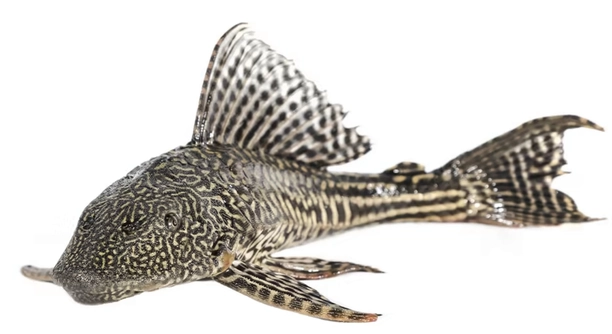
Have you ever watched your pleco resting oddly and wondered if something was wrong with how it was lying in the tank?
Plecos may sleep upside down, but this behavior can depend on the species, environment, and health of the fish. In many cases, it is a natural and harmless resting position, especially when the pleco feels safe and comfortable.
Understanding why your pleco sleeps this way can help you recognize normal behavior versus signs of stress or illness.
Why Plecos Sometimes Sleep Upside Down
Plecos are known for their unique resting habits, and sleeping upside down is one of them. This behavior can be completely normal and is often tied to their comfort with their surroundings. If a pleco feels secure in its tank, it might rest on its back or sides, especially if it’s near a surface like driftwood or the tank wall. Some species, like the sailfin or bristlenose pleco, are more likely to exhibit this than others. However, if this behavior appears suddenly or is paired with unusual signs like loss of appetite, heavy breathing, or trouble swimming, it may indicate stress or health problems. Always consider the fish’s overall behavior before assuming something is wrong. A healthy pleco that occasionally flips onto its back while resting isn’t a cause for concern. They often find different ways to relax, and this could simply be their preferred position at the time.
Some plecos may do this more often at night or in dim lighting. It’s often part of their natural resting cycle.
Keep an eye on your pleco’s activity level and appetite. These two factors are helpful indicators of whether upside-down sleeping is harmless or something to check into further.
When Upside-Down Behavior Is a Concern
If your pleco suddenly begins resting upside down more often than usual, it could mean something has changed in its environment.
Poor water quality, sudden changes in temperature, or inadequate oxygen levels can lead to stress and odd behavior in plecos. Upside-down resting may also happen if the fish is bloated or experiencing swim bladder issues, which affect balance and buoyancy. Unlike peaceful resting, these cases are usually accompanied by other signs such as floating near the surface, struggling to swim upright, or appearing lethargic. It’s important to regularly test the water for ammonia, nitrites, nitrates, and pH levels to keep the tank safe. Feeding issues can also cause problems—overfeeding or feeding low-quality food may result in digestive troubles that impact the swim bladder. If the pleco looks weak, refuses food, or appears distressed, a deeper look into tank conditions and diet is necessary. Quarantining the fish for observation or consulting a vet can also help clarify whether medical care is needed.
What a Healthy Sleeping Pleco Looks Like
A healthy pleco resting upside down will look calm and stable. Its fins will be relaxed, and its body won’t twitch or float. It might stay in one spot for a while, usually tucked near driftwood or tank corners.
If your pleco is sleeping upside down but can easily swim away when disturbed, it’s usually fine. Look for smooth movements, normal breathing, and clear eyes. A pleco that stays near the bottom, clings to surfaces, or rests on its back occasionally without struggling likely feels safe and content. Some plecos even wedge themselves into small spaces to sleep. This behavior isn’t a red flag unless it changes suddenly. If you notice other signs like pale color, unusual hiding, or lack of movement for long hours, check tank conditions. But in general, stillness, relaxed posture, and consistent interest in food mean your pleco is just taking a comfortable rest.
During rest, your pleco won’t be very active, but it should still react to movement or feeding. Healthy plecos will perk up during feeding time or shift positions if something changes in the tank. Sleeping behavior that looks passive but still responsive is a good sign. This type of rest often follows a busy night of activity, especially in low-lit setups.
Tank Conditions That Support Normal Resting Behavior
Low lighting, stable temperatures, and good filtration help create a calm environment where plecos can rest without stress. Driftwood, smooth rocks, and shaded spots also give them cozy places to settle during the day.
Tank cleanliness plays a big role in pleco behavior. Regular water changes and well-maintained filters keep ammonia and nitrite levels low, which helps avoid stress or illness. Plecos are sensitive to water chemistry, and unstable pH or hard water can make them restless or sick. Give them places to hide, like caves or driftwood, and they’ll find a favorite spot to nap. Make sure your tank isn’t overcrowded, since plecos don’t like constant movement around them while they rest. Use soft lighting and avoid loud noises or frequent tank tapping. Proper tank setup supports their natural habits and lowers the chance of weird or concerning behaviors like frequent upside-down floating or erratic swimming.
Common Misunderstandings About Pleco Behavior
Some people mistake resting upside down as a sign their pleco is dying. But many plecos sleep this way naturally, especially when they feel secure and undisturbed in the tank.
Another common belief is that upside-down resting only happens in sick fish. In truth, relaxed plecos may do this after feeding or during daylight hours.
What to Do If You’re Unsure About the Behavior
If you’re not sure whether your pleco is resting or unwell, start by testing the water. Ammonia, nitrite, and nitrate levels should all be in safe ranges. Watch for signs like labored breathing, poor appetite, or floating without control. Try offering food to see if the pleco responds. If everything seems normal but the behavior continues, consider checking for changes in lighting, noise, or tank mates that could be affecting rest. When in doubt, a short video recording can help if you need to ask for help in an aquarium forum or from a vet. Keeping track of patterns makes it easier to notice if something really is wrong.
Signs It’s Time to Act Quickly
If your pleco is upside down, unresponsive, not eating, or floating awkwardly for hours, it’s best to act quickly.
FAQ
Do all plecos sleep upside down?
No, not all plecos sleep upside down. Some prefer resting upright, on their sides, or tucked in hiding spots. The way a pleco sleeps depends on its species, personality, and environment. Bristlenose and sailfin plecos are more likely to adopt this upside-down posture, especially if they feel safe. Others may never do it at all. It’s just one of many normal sleeping behaviors. If your pleco doesn’t do this, it doesn’t mean anything is wrong—it may simply prefer another resting style. What’s most important is that your pleco looks healthy and behaves normally overall.
Is it bad if my pleco flips upside down often?
Frequent upside-down resting is not a problem if your pleco is active, eats well, and shows no signs of distress. Some plecos form habits and sleep the same way regularly. However, if you see additional issues like floating to the top, loss of control while swimming, or signs of bloating, it could be a health issue. Look at the full picture—check water quality, observe daily behavior, and make sure its diet is balanced. If everything else checks out, regular upside-down resting isn’t something to worry about.
How do I know if my pleco is sick or just resting?
A sick pleco usually shows more than just odd resting behavior. Look for pale or faded color, loss of appetite, rapid gill movement, or floating in unusual ways. A resting pleco should react when food is added or when the tank is disturbed slightly. Sick plecos often don’t respond at all and may appear limp or unable to swim normally. Checking the water parameters and reviewing any recent changes in the tank will help you figure out if something’s wrong. A resting pleco might be still, but it won’t look like it’s struggling.
What are good sleeping spots for plecos in a tank?
Plecos like quiet, shaded areas for sleeping. They often choose spots under driftwood, inside caves, behind rocks, or along the sides of the tank. These areas give them a sense of safety and let them rest without being disturbed. The more hiding places you add, the more secure your pleco will feel. Avoid sharp or rough decorations that could hurt them while they rest. Smooth, stable surfaces are best. If you notice your pleco sleeping out in the open, it usually means it feels relaxed and comfortable in its environment.
Should I be concerned if my pleco sleeps upside down near the surface?
Yes, this might be worth checking into. While sleeping upside down near the bottom or along tank decorations is usually fine, hanging at the surface can be a red flag. It could mean low oxygen levels or a problem with the swim bladder. Start by checking your tank’s oxygen levels, water flow, and filtration. Make sure the water temperature is stable. If your pleco is also gasping or avoiding the bottom, it’s time to take a closer look at water conditions and consider isolating the fish if needed.
Can a pleco get stuck upside down?
It’s rare, but it can happen if the pleco is injured or very sick. A healthy pleco will always be able to right itself when needed. If yours seems stuck, is unable to move well, or keeps flipping over without control, that’s not normal. This could point to issues with the swim bladder or extreme stress. Check for any visible wounds, bloating, or signs of infection. Also, look for aggressive tank mates that might have injured your pleco. A quick response gives you the best chance to help your fish recover.
Do plecos sleep more during the day or at night?
Plecos are mostly nocturnal, which means they are more active at night and rest during the day. That’s why you may notice your pleco sleeping or staying still more often in daylight hours. Some plecos may adjust their schedule slightly depending on tank lighting and feeding routines. If your tank is quiet and dim, your pleco might stay active for longer. It’s normal for them to hide or rest during the day and come out after the lights go off. Their resting patterns are based on their comfort level and surroundings.
How can I help my pleco rest properly?
Give your pleco a calm, well-kept tank with plenty of places to hide. Add driftwood, smooth rocks, and caves. Keep lighting soft and avoid sudden loud noises or movements near the tank. Stick to a feeding schedule and keep water clean and stable. A peaceful environment makes your pleco feel secure, which helps it sleep better. Try not to move things around too often unless necessary. If your pleco has a favorite sleeping spot, let it be. Comfortable surroundings support healthy behavior, including rest.
Final Thoughts
Plecos are interesting fish with unique habits, and their way of resting often surprises new owners. Sleeping upside down can seem strange at first, but for many plecos, it’s completely normal. This behavior usually means the fish feels safe and relaxed in its environment. Some plecos may rest on their backs for short periods, while others might never do it at all. It often depends on the species, tank setup, and how the fish feels overall. When you understand what to expect, it becomes easier to know which behaviors are part of their natural routine and which might need attention.
Paying close attention to your pleco’s behavior is important. If you notice changes like unusual floating, poor appetite, or a lack of energy, these could be signs of stress or illness. But if your pleco is eating well, moving normally, and resting peacefully—even upside down—there’s usually no cause for concern. A healthy pleco will react to food, adjust its position occasionally, and find quiet places to rest. Keeping the tank clean, the lighting soft, and the water conditions stable can go a long way in supporting your pleco’s overall health and comfort.
Understanding your pleco’s behavior helps you take better care of it. What may seem strange at first could actually be completely natural. Being observant, checking the tank regularly, and offering a calm, steady environment will help your pleco feel secure. And when it feels safe, it will rest in the way that’s most comfortable—even if that means sleeping upside down. Whether your pleco is resting against driftwood, hiding in a cave, or lying still on its back, the key is to notice how it acts overall. Small habits can tell you a lot about your fish’s health and well-being.

Hello,
If you enjoy the content that we create, please consider saying a "Thank You!" by leaving a tip.
Every little bit helps us continue crafting quality advice that supports the health, happiness, and well-being of pets around the world, for pets of all shapes, sizes, and species.
We really appreciate the kindness and support that you show us!