
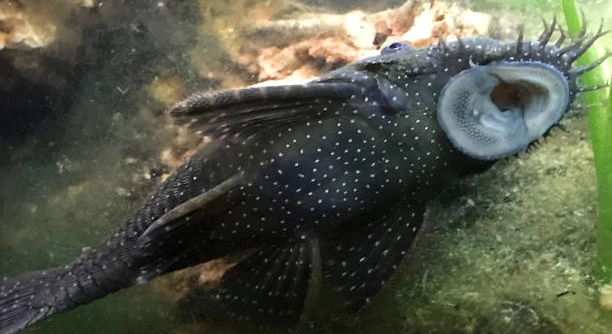
Plecos are fascinating fish that many aquarists keep as pets. These bottom-dwelling creatures are known for their unique behavior and appearance. If you are new to keeping them, you might wonder about their sleeping habits and where they rest.
Plecos typically sleep in the same spot each night. They are nocturnal fish, meaning they are most active during the evening and night. During the day, they find a comfortable hiding spot, such as a cave, where they can sleep peacefully and rest.
Learning more about their behavior can help improve the care and environment you provide for your plecos. Understanding these habits will help you maintain a healthy and stress-free environment for them.
Why Do Plecos Sleep in the Same Spot?
Plecos are creatures of habit. They prefer to rest in the same location each day, often choosing a dark, quiet spot where they feel secure. This is because plecos are naturally nocturnal fish. During the day, they tend to stay hidden in caves, under rocks, or in plants. They like to feel safe and protected from predators, and their sleeping spots help with this. Keeping a consistent sleeping area allows them to relax without worrying about being disturbed.
This preference for consistency is not just about comfort. Plecos need to feel stable in their environment to stay healthy. They find the same spots to sleep because it provides them with a sense of security. If they were to constantly change their sleeping area, it could lead to unnecessary stress and disrupt their routine.
In aquariums, providing plecos with hiding spots, such as caves or driftwood, can make them feel more at ease. These spots should be large enough for them to comfortably fit but not so spacious that they feel exposed. When plecos are given the right environment, they will likely sleep in the same place, helping them feel safe and secure.
How to Create the Perfect Sleeping Spot for Your Pleco
To support your pleco’s resting habits, ensure the aquarium contains enough places for them to hide. Plecos prefer darker, more secluded spots where they can sleep uninterrupted. Setting up the right environment will help them feel safe. Keep in mind that plecos enjoy calm water, so avoid high-flow areas where they may not feel secure.
Adding natural elements, such as driftwood or rocks, can create ideal sleeping spaces for plecos. These items give them places to hide during the day and rest at night. Having a variety of hiding spots is also a good idea, as it allows your pleco to choose where they feel most comfortable.
Factors That Affect Where Plecos Sleep
Plecos will typically sleep in areas that are darker and offer plenty of cover. They are shy fish and do not like being exposed. The size of the aquarium also plays a role, as smaller tanks may not provide enough space for hiding spots, while larger ones may offer more choices.
The water conditions, such as temperature and pH, also affect plecos’ behavior. If the environment is unstable, plecos may not feel safe enough to settle in one spot. Keeping the water conditions optimal helps them relax and sleep in the same place each time.
Plecos are sensitive to stress, so any changes in their surroundings can impact their sleeping habits. For example, frequent water changes or tank cleaning might make them seek new hiding spots. Stability is key. When their environment is calm, plecos are more likely to sleep in the same place regularly.
What Happens if Plecos Don’t Have a Consistent Sleeping Spot?
If plecos do not have a consistent sleeping spot, they may feel stressed. Without a familiar hiding place, they could become more vulnerable to predators, even in a controlled aquarium setting. This sense of insecurity can lead to anxiety and cause them to behave erratically.
Plecos are creatures of habit. Without a stable location to sleep, they might become less active and more prone to hiding throughout the day. This change could affect their eating habits as well. They may become less inclined to venture out for food if they don’t feel comfortable.
A stable and familiar sleeping spot encourages plecos to feel more confident. This, in turn, promotes their overall health, making it easier for them to thrive in an aquarium environment. Keeping their resting area consistent supports their well-being and reduces stress.
How to Encourage Plecos to Sleep in the Same Spot
To encourage plecos to sleep in the same spot, provide a consistent and calm environment. Use decorations like caves or driftwood, which help create hiding spaces. Avoid moving things around too often, as this may disrupt their routine.
A consistent light and dark cycle also helps plecos establish a sleeping pattern. Avoid sudden bright lighting or loud noises near their sleeping area. This will create a more comfortable environment, promoting relaxation.
Make sure the water temperature remains stable, as fluctuations can cause stress. Plecos need a steady environment to feel secure enough to rest in the same spot.
Can Plecos Sleep in Different Locations?
Plecos can sleep in different locations if they do not feel secure or comfortable in one spot. However, they prefer to stick to one area once they have found a safe place. Changes in water quality or environmental factors may cause them to seek new hiding spots.
Common Sleeping Behavior Issues
One common issue is that plecos may stop sleeping in the same spot if they feel stressed. Factors like overcrowded tanks, strong water flow, or too much light can cause them to seek out different areas to hide. Stress reduces their sense of security.
FAQ
Do plecos sleep at night?
Yes, plecos are nocturnal creatures. They are most active during the night and sleep during the day. During their resting period, they seek dark, quiet spaces to hide. This helps them feel secure, as they are naturally wary of predators. A well-lit tank during the day encourages them to stay hidden until the night.
Can plecos sleep upside down?
While it is not typical for plecos to sleep upside down, they may occasionally appear to do so. This can happen if they are attached to the underside of a surface or if they feel secure enough to rest in a unique position. As long as the pleco is healthy, this is not a cause for concern.
Why does my pleco stay in one spot all day?
Plecos stay in one spot during the day to rest and conserve energy. Being nocturnal, they are less active when the lights are on and prefer to remain in their hiding spots. This behavior helps them stay protected from potential threats, as they are naturally shy and prefer to stay out of sight.
How can I tell if my pleco is stressed?
A stressed pleco may display certain behaviors, such as hiding more frequently, not eating, or swimming erratically. Stress can be caused by poor water quality, overcrowding, or sudden changes in the tank environment. It is important to check the water parameters and provide hiding spots to help reduce stress.
Can plecos sleep in plants?
Yes, plecos may sleep in plants if they feel secure and the plants offer enough cover. Plants can provide a natural hiding spot, making plecos feel safe. The leaves and stems of plants can offer plecos a place to rest during the day when they are not active.
Do plecos need darkness to sleep?
Plecos prefer a dark environment for sleeping as it mimics their natural habitat. Being nocturnal, they are accustomed to staying hidden during the day. Providing a dim light or leaving the tank lights off during the day will help plecos feel more secure and encourage them to sleep in a consistent location.
How often do plecos sleep?
Plecos sleep during the day and are generally more active at night. They will rest for several hours in a hidden spot during the daytime, especially if the tank is well-lit. At night, they become more active, foraging for food and exploring their environment.
Can plecos sleep on the substrate?
Yes, plecos can sleep on the substrate, especially if they feel secure there. Some plecos prefer to rest on the bottom of the tank, particularly if there are rocks or decorations for cover. The substrate gives them a stable surface to relax and hide.
How can I help my pleco sleep better?
To help your pleco sleep better, make sure the tank provides plenty of hiding spaces and is free from sudden disturbances. Keep the water conditions stable, including temperature and pH levels. Avoid moving decorations around too often, as it can disrupt their familiar sleeping spots.
What time of day are plecos most active?
Plecos are most active at night. They are nocturnal and prefer to forage for food and explore during the evening hours when the lights are dimmed. Providing a natural day-night cycle helps encourage this behavior and keeps plecos healthy.
Why do plecos swim around at night?
Plecos swim around at night as part of their natural foraging and exploration behavior. Since they are nocturnal, they are active during the nighttime, looking for food and interacting with their environment. Providing enough food and space will ensure your pleco remains healthy and active.
Can plecos sleep in caves?
Yes, plecos often sleep in caves. Caves provide a safe, secure space where plecos can rest undisturbed. Many plecos will seek out a cave or similar structure in the tank during the day to hide from the light and remain protected.
Should I disturb my pleco while it’s sleeping?
It’s best not to disturb your pleco while it’s sleeping, as it can cause unnecessary stress. Plecos are shy creatures, and sudden movements or disruptions can make them feel unsafe. It’s better to observe them from a distance and let them rest undisturbed.
What temperature should the water be for plecos to sleep well?
Plecos prefer water temperatures between 72°F and 78°F (22°C and 26°C). Keeping the temperature within this range helps them stay comfortable and encourages normal sleeping patterns. Too hot or too cold water can lead to stress and disrupt their sleep cycle.
How long do plecos sleep each day?
Plecos typically sleep for about 12 to 14 hours each day. They are most active at night, so they rest during the daytime. The duration of their sleep can vary depending on their environment and how secure they feel in the tank.
Can plecos sleep while swimming?
It is rare for plecos to sleep while swimming, but it can happen if they are exhausted or feeling particularly safe. However, they usually prefer to rest in one spot. Plecos are more likely to stay stationary while sleeping to avoid being disturbed.
What can I do if my pleco seems to be sleeping too much?
If your pleco seems to be sleeping excessively, check the water quality and ensure it’s not stressed. Poor water conditions, such as high levels of ammonia or nitrate, can make plecos lethargic. Also, make sure they have access to food and a quiet, secure place to rest.
Final Thoughts
Plecos are fascinating fish that have specific needs when it comes to their sleep habits. Understanding where and how they sleep can help ensure they feel comfortable and secure in their tank. These fish are nocturnal, which means they tend to rest during the day and are most active at night. By providing a stable environment with hiding spots like caves, plants, or driftwood, you can encourage them to sleep in the same spot regularly. A calm and consistent environment is essential for their well-being, as it helps them feel safe enough to rest undisturbed.
The stability of their surroundings plays a significant role in how often plecos return to the same sleeping spot. Factors such as water quality, lighting, temperature, and tank decorations all influence whether they will sleep in the same place each day. When these elements are consistent, plecos are more likely to develop a routine and feel secure in one area. If the tank environment changes too frequently or becomes too stressful, they may shift their sleeping locations, making it harder to predict their behavior.
Taking care of a pleco involves understanding their natural habits and needs. By paying attention to their sleep patterns and creating a comfortable environment, you can help ensure that they thrive in your tank. A healthy pleco is one that feels safe enough to rest during the day and be active during the night. This balance of activity and rest is crucial for their health, so it’s important to maintain a steady and peaceful atmosphere in the tank.

Hello,
If you enjoy the content that we create, please consider saying a "Thank You!" by leaving a tip.
Every little bit helps us continue crafting quality advice that supports the health, happiness, and well-being of pets around the world, for pets of all shapes, sizes, and species.
We really appreciate the kindness and support that you show us!