
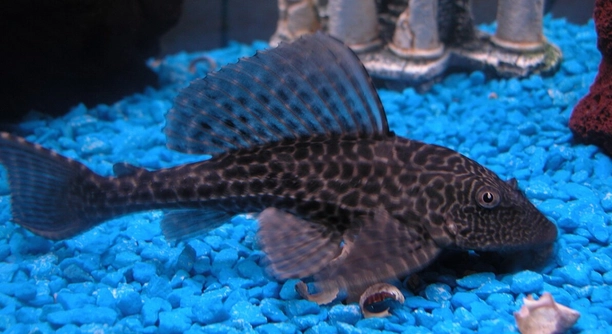
Do you ever find yourself setting up your pleco’s tank and wondering if they care whether their cave is real or fake?
Plecos generally prefer real caves because they offer a more stable structure, natural texture, and environmental enrichment. However, if designed properly, fake caves can also meet their hiding and territorial needs in captivity.
Both options have their place, and understanding how plecos respond to each can help improve their habitat and overall wellbeing.
Why Real Caves Appeal to Plecos
Real caves give plecos a place to rest, hide, and feel secure. Natural materials like stone, driftwood, or clay closely resemble what they would use in the wild. These materials also help maintain stable water conditions, which is important for their health. Real caves can encourage natural behavior, such as territorial guarding and nesting. Plecos often spend hours resting or hiding in darker, enclosed areas, and real caves provide the right texture and size for this purpose. In tanks with multiple plecos or other bottom dwellers, having real caves helps reduce stress by offering clear boundaries and personal space. When placed correctly, they can also improve tank aesthetics without disrupting the layout or water flow. Choosing well-crafted real caves, whether handmade or purchased, can benefit your pleco both physically and behaviorally.
Fake caves can work, but they need to be smooth, stable, and safe. Avoid sharp edges or toxic paints.
Some plecos may use a fake cave if it’s placed in a low-traffic spot and mimics a natural hide. Although it won’t offer the same texture, a well-designed fake cave can still make them feel secure. Choose aquarium-safe materials and rinse everything before adding to the tank.
Choosing the Right Option for Your Setup
Both real and fake caves can be used, but it depends on your tank’s layout and your pleco’s habits.
If you prefer a low-maintenance setup, fake caves can be a practical choice. They’re lighter, easier to clean, and less likely to affect your tank’s water parameters. Resin and ceramic options made for aquariums can offer similar benefits as real caves, as long as they’re well-designed and safe. On the other hand, real caves offer more than just shelter. They help with algae growth, provide foraging spots, and look more natural. If you already have driftwood or rocks in the tank, adding a real cave blends well with the environment. Consider the pleco species too—some, like bristlenose plecos, may use the caves more actively, especially during breeding. Whichever you choose, place the cave in a quiet area of the tank. Keep it partially shaded and make sure it’s not too small or unstable. Your pleco’s comfort depends more on thoughtful placement and safe materials than whether the cave is real or fake.
Factors to Consider When Picking a Cave
Tank size, pleco species, and available space matter when choosing a cave. Bigger plecos need larger, sturdier caves. Smaller tanks may benefit from lightweight or compact designs that don’t take up too much swimming space. The cave should match the pleco’s body size and allow easy entry.
Some plecos are more active and territorial than others. Bristlenose plecos, for example, often prefer enclosed spaces for breeding and hiding. The cave’s entrance should be wide enough for them to turn around inside. Choose materials that won’t shift easily or leach harmful substances. Smooth textures help prevent injury, and the cave should stay stable, even when nudged. Natural materials like slate and driftwood blend well into most aquariums. If using artificial options, stick to ones labeled aquarium-safe. The location inside the tank should also be quiet and slightly shaded, which encourages plecos to use the cave more consistently throughout the day.
Avoid caves that trap debris or restrict water flow. Blocked areas can lead to poor water quality and stress your pleco. Regular cleaning is easier with caves that are open at both ends or have a simple design. When choosing between real or fake, think about ease of cleaning and whether it suits your long-term maintenance habits.
Maintenance and Safety Tips
Always rinse any cave, real or fake, before placing it in the tank. This removes dust and any residue. Check for sharp edges or unstable shapes. A good cave should stay in place and not trap debris, fish, or food.
Over time, caves can accumulate waste, algae, and leftover food. This buildup can affect water quality and stress your pleco. Clean caves during regular tank maintenance by lifting them gently and using a soft brush or siphon around the base. Avoid using soap or household cleaners—only use tank-safe tools. Inspect caves monthly for damage or changes, especially if they’re made of resin or ceramic. Natural caves, like those made of driftwood or rock, may need more frequent checks for rot or breakage. If breeding is a goal, keep the cave free of obstructions and position it near a stable surface. Consistent maintenance supports both your pleco’s health and the overall cleanliness of your tank.
Monitoring Pleco Behavior
If your pleco is frequently hiding, guarding the cave, or resting inside for long periods, it likely feels comfortable with the setup. A well-placed cave encourages calm behavior, especially during the day when plecos prefer low-light areas.
Watch for signs of stress, such as constant swimming, color changes, or avoidance of the cave. These may suggest the cave is too small, unstable, or poorly placed. Adjustments to size, shape, or location can often solve the issue without needing to remove the cave entirely.
Breeding Considerations
Plecos, especially bristlenose varieties, often use caves for spawning. A breeding-ready cave should have one entrance, a snug fit, and no sharp edges. The male typically guards the eggs and fry, so a secure structure is important. Caves made from clay or smooth stone work best. Place the breeding cave in a quiet corner with minimal traffic. Clean it before breeding attempts and avoid disturbing it once the male takes position. If using a fake cave, ensure it mimics the shape and darkness of a real one. Consistent tank conditions and stable cave placement increase the chances of successful breeding.
Final Thoughts on Cave Choice
Both real and fake caves can work well when chosen with care. Focus on safety, comfort, and your pleco’s daily behavior.
FAQ
Do plecos really need a cave?
Yes, most plecos need at least one cave in their tank. Caves provide shelter, reduce stress, and give plecos a safe place to rest during the day. Many plecos are nocturnal and prefer to hide during daylight hours. A cave also gives them a sense of territory, which helps reduce aggression, especially in community tanks. For breeding, caves are essential, especially for species like bristlenose and clown plecos. Without a suitable cave, they may not spawn at all. Even if you don’t plan on breeding, a cave still supports your pleco’s natural behavior and improves its overall health.
What type of cave is best for bristlenose plecos?
Bristlenose plecos prefer small, enclosed spaces with one opening. They tend to choose clay or smooth ceramic caves that are just wide enough to fit their bodies. These caves offer the right level of security and mimic natural hiding spots. Avoid caves with wide entrances or rough textures, as these can make your pleco feel exposed or lead to injury. A tunnel-like shape works well, especially if breeding is expected. Also, keep the cave in a calm area of the tank, away from strong flow or bright lights. A well-placed and properly sized cave encourages breeding and reduces stress.
Can I use terracotta pots as caves?
Yes, terracotta pots are often used as pleco caves. They’re affordable, safe for aquariums, and easy to find. Lay them on their sides or partially bury them in the substrate to keep them stable. Make sure the edges are smooth and there are no sharp chips. You can break off part of the rim to create a custom entrance if needed. Some plecos prefer a tighter fit, so smaller pots may work better for younger or smaller species. Clean the pot before placing it in the tank and monitor it over time for cracks or algae buildup.
Are real rocks safe for pleco caves?
Many real rocks can be used safely, but they must be aquarium-safe. Slate, lava rock, and granite are commonly used. Avoid limestone or any rock that changes the water’s pH or hardness. Stack rocks securely or glue them together using aquarium-safe silicone to avoid collapses. Smooth surfaces are best, as they prevent injury. Real rocks can give the tank a more natural look and blend better with other decorations. However, they are heavier and harder to move during cleanings. Always test the rock for safety and stability before adding it to the tank permanently.
How many caves should I have for one pleco?
One properly sized cave is usually enough for a single pleco. However, providing more than one can reduce stress and allow the fish to choose based on its preferences. Some plecos switch caves from time to time, especially when rearranging territory or exploring. If you keep multiple plecos, each one needs its own cave to prevent fighting. Extra caves also help reduce tension in tanks with mixed species or heavy décor. Keep the caves spaced out so each one feels like a separate shelter. Position them in shaded areas to increase their appeal.
Do fake caves bother plecos?
Fake caves do not bother plecos if they’re made from aquarium-safe materials and have a shape the fish can comfortably use. Avoid decorative caves with tiny openings or painted surfaces that may chip. Some fake caves are designed specifically for plecos and mimic real rock or wood. These are often lighter and easier to clean. As long as the cave is secure, smooth, and properly sized, your pleco won’t mind whether it’s real or artificial. If your pleco avoids the cave, try adjusting its placement or replacing it with a design that offers more coverage and security.
How do I know if the cave is too small?
If your pleco can’t fully enter, turn around inside, or seems to avoid the cave, it may be too small. A properly sized cave should let your pleco rest comfortably without squeezing in tightly. Look for signs of stress or injury, especially around the fins and body. If your pleco chooses to rest elsewhere, that’s another sign the cave isn’t meeting its needs. Over time, growing plecos may outgrow their caves, so it’s important to reassess the size occasionally. Replace small caves with slightly larger ones as needed to match your pleco’s body length and width.
Can plecos share a cave with other fish?
Most plecos prefer to have a cave to themselves. Sharing a cave can lead to territorial disputes or stress, especially in male plecos. Some peaceful species may tolerate occasional visitors, but this depends on the tank setup and individual behavior. If a pleco is breeding or guarding eggs, it will usually defend its cave and chase other fish away. To avoid issues, provide enough hiding spaces for all fish in the tank. Each fish having its own spot helps reduce competition and keeps the tank more peaceful overall. Avoid placing caves too close together to limit territorial overlap.
Final Thoughts
Providing your pleco with the right type of cave is an important part of keeping them healthy and stress-free. Real or fake caves can both work well, as long as they are made from aquarium-safe materials and have the right size and shape. Most plecos like enclosed spaces where they can hide during the day and feel protected. Caves are also necessary for breeding, especially for species like bristlenose or clown plecos. The shape, material, and location of the cave all matter when it comes to making your pleco feel secure.
Some keepers prefer real caves made from rocks or driftwood, while others go with artificial ones that are easier to clean and move. There is no one-size-fits-all answer, since plecos have different needs depending on their species, size, and personality. You might need to try a few types before finding the one your pleco prefers. Watching how your pleco interacts with its cave can help you understand if it’s the right fit. If the fish uses the cave regularly and shows normal behavior, that’s usually a good sign.
In the end, what matters most is that your pleco has access to a safe and comfortable space. A good cave helps reduce stress, support natural behavior, and even promote breeding when the conditions are right. Whether you choose a natural or artificial option, focus on quality, placement, and size. Giving your pleco a proper hiding place is a simple way to improve its daily life and support long-term health in your tank.

Hello,
If you enjoy the content that we create, please consider saying a "Thank You!" by leaving a tip.
Every little bit helps us continue crafting quality advice that supports the health, happiness, and well-being of pets around the world, for pets of all shapes, sizes, and species.
We really appreciate the kindness and support that you show us!