
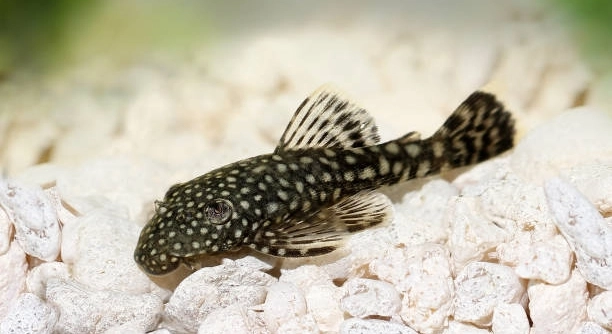
Plecos are popular aquarium fish, known for their calm demeanor and helpful role in cleaning tanks. They are often kept by hobbyists for their algae-eating habits and peaceful nature. Understanding their preferences is key to providing a healthy environment.
Plecos generally prefer slow to moderate water flow, as fast-moving water can be stressful for them. They thrive in calmer waters where they can comfortably graze on surfaces and rest without being pushed around by strong currents.
By setting up the ideal water flow for your pleco, you can help them stay comfortable and healthy. Adjusting the current in your tank can make a big difference in their behavior and overall well-being.
Plecos and Water Flow Preferences
Plecos are known for their love of calm environments. In the wild, they often inhabit slow-moving rivers, streams, or even lakes, where the water is relatively still. This preference carries over to aquarium setups as well. When kept in tanks, plecos tend to feel more at ease when the water flow is gentle, giving them space to rest and graze. Strong currents can make them uneasy, preventing them from performing their natural behaviors, like foraging on the tank walls.
For your pleco’s comfort, it’s crucial to adjust your aquarium’s water flow to mimic these natural conditions. Plecos may show signs of stress if they are exposed to too strong of a current, including hiding more often or avoiding feeding. Keeping the flow at a moderate level will allow your pleco to move freely and remain healthy.
In aquariums, achieving the right water flow is about balance. While it’s important to keep the tank’s filtration system working well, it’s just as essential to create a calm space for your pleco. Many filters allow you to adjust the flow to suit your fish’s needs. If the current is too strong, adding decorations or plants can help slow it down and provide hiding spots. Plecos enjoy areas where they can rest, and adding rocks or caves can give them a safe space to retreat to. Creating a peaceful environment is not only beneficial for the pleco’s health but also for the overall harmony of the tank.
Signs Your Pleco Is Stressed by Strong Water Flow
If your pleco is under stress from fast-moving water, there are a few telltale signs to watch out for.
You might notice your pleco avoiding certain areas of the tank, staying still for long periods, or hiding more than usual. This could indicate they are uncomfortable with the water current. Also, they may become less active overall, as the force of the water makes it harder for them to move around naturally.
Adjusting Tank Flow for Plecos
A pleco’s comfort in an aquarium is closely tied to the water flow. If the current is too strong, it can lead to stress and inactivity. It’s important to regularly check the flow to make sure it’s not overwhelming your pleco.
One way to adjust the water flow is by choosing a filter with adjustable settings. Many aquarium filters have a knob that lets you control the current. You can reduce the intensity so your pleco has enough space to swim and explore comfortably. Additionally, placing rocks, plants, or driftwood in strategic areas of the tank can help break up the flow and create calmer zones.
If adjusting the filter isn’t enough, adding a sponge filter or a gentle air pump can help further reduce water movement. These devices are typically quieter and less forceful than traditional filters, making them ideal for plecos. It’s all about creating pockets of calm where your pleco can move without being forced by the current.
Creating Ideal Hiding Spaces
Hiding spaces are crucial for plecos to feel secure in the tank. When plecos are stressed, they seek out dark, quiet areas to rest.
Adding caves, driftwood, or rocks can provide much-needed shelter. Plecos like places they can wedge themselves into, feeling safe from the water’s flow or other fish in the tank. This also mimics their natural habitat, where they find refuge in crevices and hidden nooks. Keep in mind that the hiding spots should be large enough to accommodate the pleco as it grows.
The setup of your tank should offer variety in hiding places. A good mix of tall plants, smooth rocks, and even plastic tubes can create multiple spots for your pleco to retreat to. Additionally, placing these hiding spots away from the main water flow areas will help reduce stress, as plecos tend to hide when they feel exposed or uncomfortable. Over time, you’ll notice your pleco becoming more active as it gets comfortable with its environment.
Benefits of Calm Water for Plecos
A calm environment helps plecos feel safe and reduces stress, leading to better overall health. Slow water flow mimics their natural habitat, where they find comfort in slower-moving waters. This encourages them to graze, rest, and stay active.
A peaceful water flow allows your pleco to thrive. When plecos feel less stressed, they will be more active and willing to explore their tank. This results in better algae control, as they will spend more time foraging for food. Additionally, a comfortable pleco is more likely to live a longer, healthier life in your aquarium.
Equipment to Control Water Flow
To control the water flow effectively, investing in the right equipment is essential. Adjustable filters, sponge filters, or gentle air pumps can make a big difference.
By using adjustable filtration systems, you can tailor the flow to suit your pleco’s needs. Placing these filters in areas that don’t disrupt the pleco’s rest zones can help maintain a peaceful balance in the tank.
FAQ
Do plecos like fast-moving water?
Plecos generally prefer slow to moderate water flow. In the wild, they are found in slower-moving streams and rivers. Strong currents can make them stressed, preventing them from comfortably grazing or resting. For their well-being, it’s best to maintain a calmer water flow in your tank.
How can I tell if my pleco is stressed by the water flow?
If your pleco is stressed, it may hide more than usual, avoid certain areas of the tank, or become less active. A stressed pleco might also spend more time in corners or near rocks and plants, trying to escape the current.
What type of filter is best for plecos?
A sponge filter or a gentle canister filter with adjustable flow is ideal for plecos. These filters create less current, providing a calm environment for your fish. A filter with adjustable settings allows you to control the water flow to suit your pleco’s needs.
Can plecos live in a tank with strong currents?
While plecos can adapt to different conditions, strong currents are generally not ideal for them. Plecos are bottom-dwellers and tend to stay in calmer areas of the tank. If the current is too strong, it can stress them out and prevent them from behaving naturally.
What are the signs that my pleco is comfortable with the water flow?
A comfortable pleco will be more active, exploring the tank and grazing on surfaces. It will likely rest in areas where the flow is gentler, showing no signs of stress. When the current is right, your pleco will be visibly relaxed and at ease.
Can plecos live in fast-moving rivers or streams?
Yes, in the wild, plecos are found in rivers and streams with moderate to slow water movement. However, they prefer areas where the current isn’t too strong. Plecos often choose calmer spots like rocks or crevices to rest in, away from strong flows.
What kind of water flow do plecos need to stay healthy?
Plecos thrive in gentle to moderate water flow. Too much current can cause stress, while too little can lead to poor water circulation. It’s essential to maintain a balance, providing enough filtration to keep the water clean while ensuring that the flow isn’t too strong.
Do plecos prefer shallow or deep water?
Plecos can adapt to both shallow and deep water, depending on their environment. In their natural habitat, they tend to live in areas where water is relatively shallow but has enough depth for shelter. In your tank, aim for a middle ground, offering a variety of depths and hiding places.
How do I set up my tank to reduce water flow for plecos?
To reduce the water flow for your pleco, you can adjust the filter settings or switch to a gentler filter like a sponge filter. Additionally, placing rocks, plants, or decorations in key areas can break up the flow, creating pockets of calm throughout the tank.
Can plecos tolerate turbulent water at all?
Plecos are not well-suited for turbulent water. While they are used to some movement in their natural habitats, turbulent or fast-moving water can be too overwhelming. It may stress your pleco and hinder its ability to find food or rest comfortably.
How often should I clean the tank to maintain the right flow for plecos?
Regular tank maintenance is essential for a pleco’s health. Clean your filter regularly to prevent debris from clogging and affecting water flow. Additionally, change about 20-30% of the water weekly to maintain good water quality and ensure the flow remains stable.
Can plecos live with other fish in a tank with strong currents?
Plecos can live with other fish in a tank with strong currents, but only if they are provided with areas of calm water to retreat to. Some fish that prefer strong currents, such as certain species of barbs, might do well in such an environment, while your pleco needs a quieter zone to thrive.
Should I adjust the water flow depending on the pleco species?
Different pleco species have slightly different preferences when it comes to water flow. While most plecos do well in moderate to slow-moving water, some species, like the bristlenose pleco, can handle slightly stronger currents. However, a gentle current is still preferred by most types.
What is the ideal water temperature for plecos?
Plecos generally prefer a water temperature between 72-80°F (22-27°C). Maintaining a consistent temperature is key to keeping your pleco healthy and stress-free. Extreme fluctuations in temperature, combined with strong water currents, can cause unnecessary stress and health problems.
Can plecos live in saltwater?
Plecos are freshwater fish and cannot live in saltwater. Their natural habitat consists of freshwater rivers, lakes, and streams. Exposing them to saltwater will stress them out and likely lead to health issues. Always ensure your pleco’s tank is freshwater with the appropriate pH and hardness levels.
Do plecos need aeration in their tank?
While plecos do not require aeration, they do benefit from good water circulation. Proper aeration can help maintain oxygen levels in the water, especially if the tank has a lot of plants or fish. However, avoid strong air pumps, as plecos prefer a calm environment.
Final Thoughts
When setting up a tank for your pleco, water flow plays an important role in its overall health and happiness. Plecos are not used to strong currents in the wild and prefer calm, slow-moving water. This is why it’s essential to create an environment in your tank where the water flow is gentle enough for your pleco to thrive. If the current is too strong, it can lead to stress, making your pleco hide more often and affecting its feeding and natural behaviors.
Adjusting your filter or using equipment like sponge filters can help create the right water flow. It’s not just about reducing the speed of the current; it’s about making sure there are quiet spaces in the tank where your pleco can rest without the water pushing it around. In addition to adjusting the flow, adding decorations like rocks, plants, or caves can provide hiding spots where your pleco can feel secure. These hiding spots not only help with reducing stress but also mimic the pleco’s natural habitat, where they find protection in crevices and under objects.
Creating the perfect environment for your pleco doesn’t stop with water flow. It’s important to regularly maintain the tank and make sure your pleco has everything it needs to stay comfortable. Monitoring the water quality, adjusting the flow, and offering hiding places are simple ways to ensure that your pleco remains active, healthy, and happy. A calm tank environment will help your pleco live a long and stress-free life.

Hello,
If you enjoy the content that we create, please consider saying a "Thank You!" by leaving a tip.
Every little bit helps us continue crafting quality advice that supports the health, happiness, and well-being of pets around the world, for pets of all shapes, sizes, and species.
We really appreciate the kindness and support that you show us!