
Do you have a pleco in your aquarium and wonder whether it needs a mate to breed? Many aquarists are curious about this topic. Understanding the breeding needs of plecos can help ensure your fish are happy and healthy.
Plecos do not necessarily need to be kept in breeding pairs. While pairing may encourage breeding, some species will spawn with just one mate or under specific environmental conditions. However, successful breeding is often more likely with a pair.
Proper care and environment adjustments are essential for plecos to thrive. In this article, we will explore the factors that influence pleco breeding and how you can improve your chances of successful breeding in your tank.
Breeding Behavior of Plecos
Plecos are known for being solitary creatures, so it’s important to understand how they approach breeding. In the wild, plecos often spawn in caves or crevices, with males guarding the eggs once they’re laid. While it’s true that some species of plecos do better when kept in pairs, many do not require a mate to breed successfully. In fact, plecos can often be bred in a single-gender tank, where the conditions are ideal for spawning.
Understanding the behavior of plecos is key to determining whether a breeding pair is necessary. Males will usually seek out a suitable female to mate with, but in some cases, they might breed with whatever pleco is present.
If you’re hoping to breed your plecos, it’s more about recreating the right conditions, such as water temperature, pH levels, and the availability of hiding places. Having a pair increases your chances of successful breeding, but it’s not a strict requirement.
The Role of Environmental Factors
Plecos breed in response to specific environmental triggers. When water temperature rises and conditions are optimal, it can encourage spawning.
The introduction of a male and female in the right conditions can lead to successful breeding. However, many plecos breed even without a direct pair, influenced by environmental cues. The key is to maintain consistency in water quality, temperature, and habitat.
Do Plecos Need a Breeding Tank?
While it’s not strictly necessary, having a breeding tank can improve your chances of success. A separate tank helps reduce stress and allows you to control environmental factors more precisely. It also prevents other fish from interfering with the plecos during the breeding process.
A breeding tank should have the same temperature and water quality as the main tank, but with minimal disturbances. Providing caves or hiding spots gives plecos the privacy they need. It’s important to have a filter to maintain water cleanliness but avoid strong currents, as plecos prefer calmer environments during breeding.
When setting up a breeding tank, make sure to have plenty of food available for the plecos once they spawn. A consistent water change schedule will help keep the environment stable. The more controlled the conditions, the higher the chances for successful breeding. It’s not an absolute necessity, but it can definitely increase the likelihood of producing fry.
Male and Female Pleco Differences
Male and female plecos can be difficult to distinguish at first glance. However, there are a few physical traits that can help you tell them apart. Generally, male plecos are more active and can sometimes have a larger, more prominent fin.
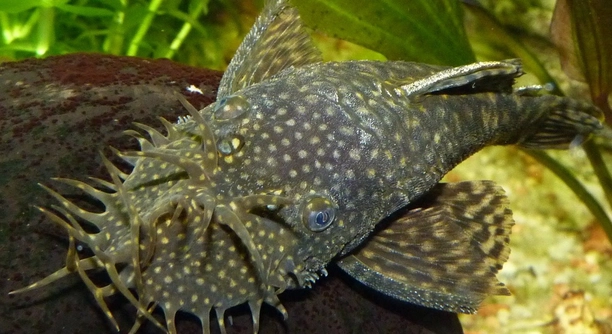
In some species, male plecos develop growths or “bristles” on their noses or pectoral fins, which females don’t have. These bristles are especially prominent in certain types of plecos, like the common bristlenose pleco. Females tend to be rounder, especially when they are carrying eggs. When you compare them side by side, these subtle differences become more noticeable.
Understanding the physical differences between males and females can help you better assess your breeding setup. Keeping a male and female together is ideal for breeding. However, having a male with multiple females can also increase the likelihood of successful spawning.
Pleco Diet for Breeding
The right diet plays a crucial role in pleco breeding. A nutritious diet can improve their health and boost their chances of successful spawning. Plecos thrive on a mix of vegetables, protein, and algae-based foods.
Providing high-quality pellets, blanched vegetables like zucchini, and occasional protein sources such as bloodworms or brine shrimp helps prepare plecos for breeding. A balanced diet supports their energy needs and overall well-being, making them more likely to breed when conditions are right. Ensuring that they’re well-fed can also encourage healthier eggs and fry development.
A varied diet is essential for plecos, especially when they’re in breeding mode. If they’re not getting the right nutrients, they may not spawn at all. You can also use algae wafers or even create your own fish food blend to ensure they get a full range of vitamins and minerals.
Water Quality and Breeding Success
Maintaining optimal water conditions is a key factor for breeding success. Stable water quality encourages plecos to spawn and ensures their eggs develop properly.
Test the water regularly to keep pH, hardness, and temperature in check. If any parameter is off, it can negatively affect breeding behavior and egg viability. Proper filtration and frequent water changes help maintain the right balance.
FAQ
Do plecos need a mate to breed?
Plecos do not always need a specific mate to breed. Many species can spawn in groups or with multiple mates. While having a pair increases the likelihood of successful breeding, plecos can breed without being in a dedicated breeding pair if conditions are ideal. Environmental factors such as water temperature, pH, and food availability are often more important than the presence of a mate.
How can you tell if your plecos are ready to breed?
You can often tell if your plecos are ready to breed by watching for physical changes and behavioral shifts. Males usually become more active and territorial, often seeking out caves or other hiding spots to guard. Female plecos may appear fuller or rounder, especially when carrying eggs. Their behavior may also become more passive, staying close to the caves. Additionally, the male will start to produce bristles on his face, signaling readiness.
What temperature is best for plecos to breed?
Plecos generally breed best when the water temperature is between 75°F and 80°F (24°C to 27°C). Warmer water can help trigger breeding behavior, while too cold a temperature can suppress it. Always maintain a consistent temperature and avoid sudden fluctuations, which could stress the fish.
Do plecos need a specific type of tank to breed?
While plecos can breed in regular tanks, a separate breeding tank can help ensure better conditions and reduce stress. A breeding tank should mimic the plecos’ natural environment, with lots of hiding spots such as caves and plants. Ensure the water is clean, and the temperature is stable to encourage breeding. It’s not absolutely necessary, but a separate tank can increase the chances of success.
Can plecos breed in a community tank?
Plecos can breed in a community tank, but it can be more challenging. The presence of other fish might stress the plecos or disrupt their breeding behavior. To help them breed successfully in a community tank, provide plenty of caves or hiding spots where the male can guard the eggs. If you are aiming for successful breeding, consider moving them to a quieter, less crowded space.
How often do plecos breed?
Plecos do not breed constantly. Typically, plecos will breed a few times a year, with some species being seasonal breeders. Once breeding begins, females can lay several clutches of eggs in one cycle, but the interval between each breeding event can vary depending on environmental factors and the specific species.
How long does it take for pleco eggs to hatch?
Pleco eggs generally take around 4 to 10 days to hatch, depending on the water temperature. Warmer water temperatures tend to speed up the hatching process. After hatching, the fry will remain in the cave for several days while they absorb their yolk sacs before becoming free-swimming.
Do plecos take care of their eggs?
In most cases, male plecos take the lead in caring for the eggs. Once the female lays her eggs in a cave or crevice, the male fertilizes them and guards the eggs from potential threats. He will fan the eggs with his fins to ensure proper oxygenation and keep them clean. The female typically leaves once the eggs are laid, leaving the male to care for them until they hatch.
What should you feed pleco fry after they hatch?
Once pleco fry hatch, they will initially feed on their yolk sacs. After they’ve absorbed this, you can start feeding them fine food, such as infusoria, baby brine shrimp, or crushed algae wafers. As they grow, you can gradually introduce larger foods like small pieces of zucchini or prepared pleco pellets. It’s important to offer food that is easy for them to eat and to maintain good water quality as they grow.
Can plecos breed without a cave?
Caves or hiding spots are essential for plecos to breed successfully. In the wild, plecos seek out caves or crevices to lay their eggs, and providing similar structures in captivity increases the chances of breeding. While it’s not impossible for plecos to breed without a cave, having one significantly improves the chances of a successful spawning.
How many pleco fry can a female have?
A female pleco can lay anywhere from 20 to 100 eggs per breeding session, depending on the species. Some larger plecos may lay even more. After fertilization, the male will guard the eggs until they hatch. The number of fry will depend on how well the conditions are maintained and how well the parents care for the eggs.
What should you do with pleco fry once they grow?
As pleco fry grow, they can often be moved into a separate tank to avoid competition for food. Plecos can be territorial, and overcrowding may stress the fish or hinder their growth. It’s important to keep an eye on the water quality and provide appropriate food to ensure healthy growth.
Final Thoughts
Breeding plecos is not a straightforward process, but with the right conditions and understanding, it can be a rewarding experience. While some plecos breed successfully without being kept in pairs, having a male and female together does increase the chances of spawning. The most important factors in encouraging breeding are environmental conditions, such as water temperature, cleanliness, and the availability of hiding spots for the plecos. A separate breeding tank can also help minimize stress and provide the optimal space for breeding, although it’s not an absolute necessity.
Diet plays a significant role in ensuring plecos are in the best shape for breeding. A varied diet, including vegetables, algae-based foods, and occasional protein, can help keep your plecos healthy and ready to spawn. Proper nutrition supports their overall well-being and provides them with the energy needed to carry out their natural breeding behaviors. If you’re trying to encourage breeding, ensure your plecos have access to a balanced diet to increase the chances of a successful spawn.
Understanding your plecos’ behavior and physical traits can also help. Knowing how to differentiate males from females and recognizing the signs that they are ready to breed can guide your efforts. Once they start breeding, males will typically guard the eggs, while the females may stay out of sight. Observing this process can help you better understand your fish and their needs. With the right approach, breeding plecos can be a fascinating and fulfilling aspect of aquarium keeping.

Hello,
If you enjoy the content that we create, please consider saying a "Thank You!" by leaving a tip.
Every little bit helps us continue crafting quality advice that supports the health, happiness, and well-being of pets around the world, for pets of all shapes, sizes, and species.
We really appreciate the kindness and support that you show us!