
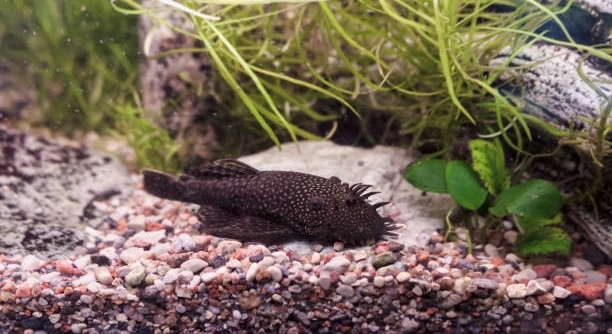
Plecos are a popular choice for freshwater aquariums, known for their ability to help keep tanks clean. However, when moving to a new tank, they may need time to adjust to their new environment.
When placed in a new tank, plecos can experience stress, which may affect their health. It’s crucial to provide them with stable water conditions, as they require time to acclimate and adjust to changes in water temperature, pH, and other factors.
Ensuring a smooth transition for your pleco will not only help it settle in but also promote its long-term well-being in the aquarium.
The Importance of Water Temperature for Plecos
Water temperature plays a critical role in helping plecos adjust to their new environment. They are sensitive to temperature fluctuations, and a sudden change can stress them out. Ideally, plecos thrive in water temperatures between 74-80°F (23-27°C). When introducing them to a new tank, it’s essential to ensure that the water temperature is stable and falls within this range.
If the temperature in the new tank is too low or high, it can hinder their ability to acclimate. A proper heater can help maintain consistent warmth, which is crucial for their health. Additionally, it’s a good idea to check the water temperature regularly with a reliable thermometer to prevent any unexpected changes.
Giving your pleco time to adjust to the right water temperature can go a long way in reducing stress and improving its overall well-being in the long term.
The Role of pH Levels
The pH level in the tank can also affect your pleco’s adjustment. Plecos prefer slightly acidic to neutral water, with a pH level between 6.5 and 7.5. If the pH in their new tank is too far out of this range, it can lead to discomfort and stress, making it harder for them to settle in.
A stable pH is essential for promoting a healthy environment for your pleco. Changes in pH can occur when the water is not properly maintained, and sudden shifts can cause stress. To keep the pH level within the ideal range, use a reliable testing kit regularly. A consistent pH, along with stable temperature, can help your pleco adjust more quickly and comfortably.
Understanding these factors will allow you to create the perfect environment for your pleco, ensuring it remains healthy and thrives in its new home.
Acclimating Plecos to New Water
When introducing a pleco to a new tank, slow acclimation is key. Rapid changes in water conditions can overwhelm them. To acclimate, float the pleco in a bag with some of the new tank water for around 15-20 minutes. This helps avoid shock.
The process of gradual acclimation gives your pleco time to adjust to differences in temperature, pH, and salinity between the water in the bag and the tank. Slowly adding small amounts of tank water to the bag over time helps them ease into the new environment. After the waiting period, gently release your pleco into the tank.
By taking your time during the acclimation process, you reduce stress and improve your pleco’s chances of adjusting successfully to its new home.
The Impact of Tank Size
Plecos need adequate space to feel comfortable, especially when adjusting to a new environment. A tank that’s too small can limit their movement and make them more stressed. Make sure to choose a tank size appropriate for the pleco’s species.
A well-sized tank allows plecos to explore and settle into their new home. Larger tanks offer stable water conditions and more space for plecos to find hiding spots, helping them feel more secure. When they feel safe in their surroundings, they are less likely to be stressed during the adjustment period.
Choosing the right tank size for your pleco can significantly reduce stress, helping it settle into its new environment more comfortably.
Monitoring Water Quality
Water quality is essential for a pleco’s adjustment. Ammonia, nitrites, and nitrates should be at safe levels. A reliable water test kit helps you track these parameters. Ensure regular water changes to maintain optimal quality and avoid stress for your pleco.
Good water quality not only helps plecos settle in but also prevents health issues. Regular water changes reduce toxins and improve the overall environment. Keeping the tank clean promotes a healthy, balanced ecosystem for your pleco, making its transition smoother. Regular testing ensures you catch any problems early and address them quickly.
Offering Hiding Spots
Plecos are shy and need hiding spots to feel secure, especially when adjusting. Provide caves or plants where they can retreat and rest.
Hiding spots give plecos a safe space, allowing them to relax and adjust at their own pace. This is particularly important after a move when they may feel vulnerable. Adding natural decor or hiding places will help them settle in quicker and reduce stress.
FAQ
How long does it take for a pleco to adjust to new water?
The time it takes for a pleco to adjust can vary. Typically, it takes about 2-3 weeks for them to fully acclimate to a new tank. During this time, they may hide more often as they get used to their environment. With stable water conditions, proper acclimation, and a peaceful environment, plecos will gradually feel comfortable in their new home. Monitoring their behavior during this period will give you clues on their comfort level.
Can plecos survive in different water conditions?
Plecos are fairly adaptable but require specific water conditions to thrive. They prefer slightly acidic to neutral water, with a pH of 6.5-7.5. They also need a consistent temperature between 74-80°F (23-27°C). While they may survive in other conditions temporarily, prolonged exposure to unsuitable water can lead to stress and health problems. Ensuring that the water stays within their ideal range helps them adjust more quickly and remain healthy.
How can I tell if my pleco is stressed?
Stressed plecos may exhibit certain behaviors such as hiding more frequently, not eating, or swimming erratically. They may also display signs of physical stress, like pale coloration or clamped fins. If your pleco is stressed, it’s important to assess water conditions and ensure there are plenty of hiding spots. Reducing loud noises and tank disturbances can also help.
What should I do if my pleco isn’t eating after being introduced to new water?
If your pleco isn’t eating, it could be due to stress from the new environment. Ensure that water conditions are ideal, and allow your pleco time to adjust. Offer a variety of food, including algae wafers, fresh vegetables, and sinking pellets. Sometimes, they need a little extra time before they begin eating regularly. If the issue persists, check the water for any imbalances.
Can I add other fish to the tank while the pleco is adjusting?
It’s best to give your pleco time to settle into its new environment before introducing other fish. Plecos are peaceful creatures but can get stressed with tankmates that are too active or aggressive. Adding other fish too soon may increase stress levels, making the acclimation process harder for the pleco. Once your pleco seems comfortable and less stressed, you can start considering compatible tankmates.
How do I help my pleco feel safe in the new tank?
Providing hiding spots, such as caves or plants, will help your pleco feel secure in its new environment. Plecos are nocturnal and shy, often seeking shelter during the day. If they have places to retreat, they are more likely to feel safe and less stressed. Keeping the tank environment calm and free from sudden changes will also encourage a smoother adjustment.
Are plecos sensitive to lighting changes?
Yes, plecos are sensitive to lighting changes. While they don’t require complete darkness, a sudden shift in light intensity or duration can stress them. Use a dim light for the tank or a timer to keep a consistent day/night cycle. Too much bright light can cause plecos to hide more often and stress out.
How can I keep my pleco healthy during the adjustment period?
To keep your pleco healthy during the adjustment period, monitor water quality closely. Make sure the temperature, pH, and ammonia levels are stable and within the ideal ranges. Provide a varied diet, offer hiding spots, and avoid overcrowding. Give your pleco time to adjust without too much interference or change in the environment.
Can plecos live in saltwater?
No, plecos are freshwater fish and should not be kept in saltwater tanks. They thrive in freshwater environments with stable, clean water conditions. Saltwater can stress them out and harm their delicate gills. Stick to freshwater settings to ensure your pleco remains healthy.
How do I prevent my pleco from becoming too stressed?
Preventing stress in a pleco involves creating a calm, stable environment. Maintain consistent water quality, temperature, and pH. Avoid sudden changes in the tank, and provide plenty of hiding spaces for them to feel safe. Minimize disturbances from other fish or external factors, such as loud noises.
Final Thoughts
Adjusting to a new tank environment is a crucial process for plecos. These fish are sensitive to changes, and a slow, careful transition is essential for their health. By providing stable water conditions, proper acclimation methods, and adequate space, you can reduce stress and ensure they feel comfortable in their new home. Monitoring water quality and making sure the tank is large enough to accommodate their needs will go a long way in helping them adjust smoothly.
Along with maintaining good water conditions, offering hiding spots and a peaceful environment is important. Plecos are shy fish, and giving them spaces to retreat to will help them feel safe during their transition. While plecos are fairly resilient, sudden changes in their surroundings can cause stress and hinder their ability to settle in. Being patient and allowing them the time they need to get used to their new home is key to their successful adjustment.
Overall, understanding plecos’ specific needs and providing the right conditions is crucial for their well-being. By following proper acclimation techniques and ensuring the environment is suitable for them, you can help your pleco thrive in its new tank. A calm and stable environment, combined with regular maintenance and monitoring, will support their health and reduce stress during the adjustment period.

Hello,
If you enjoy the content that we create, please consider saying a "Thank You!" by leaving a tip.
Every little bit helps us continue crafting quality advice that supports the health, happiness, and well-being of pets around the world, for pets of all shapes, sizes, and species.
We really appreciate the kindness and support that you show us!