
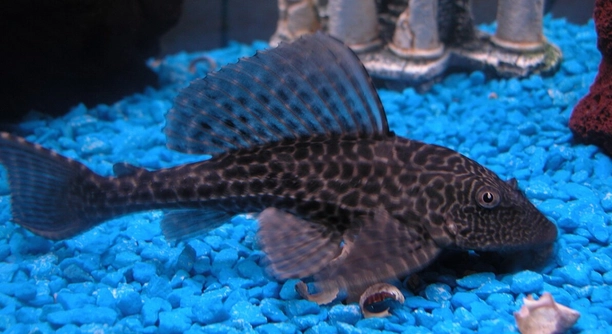
Plecos are popular fish that are often kept in home aquariums. Their unique appearance and behavior make them a favorite for many aquarium enthusiasts. However, ensuring they thrive in a tank requires understanding their specific needs, including water filtration.
Plecos require clean water to stay healthy. While they can tolerate various water conditions, having a filter in the tank is essential. The filter helps maintain water quality by removing waste and debris, providing a cleaner and safer environment for your pleco.
Proper filtration is key to your pleco’s health and wellbeing. Understanding how a filter works and its importance can help maintain a balanced aquarium.
Why a Filter is Important for Plecos
Plecos are bottom-dwelling fish that produce a lot of waste. If you don’t have a filter, waste can build up quickly, causing harmful toxins like ammonia and nitrites to spike. These toxins can stress your pleco and lead to health issues, so keeping water clean is essential for their long-term survival. A filter works by circulating water and removing debris, which prevents the buildup of dangerous substances. Without it, your tank’s water quality will degrade rapidly, affecting not only your pleco but other fish and plants in the tank as well.
A proper filter is essential for creating a stable environment. It maintains water movement, which plecos need for oxygenation and helps keep their habitat clean.
Without filtration, your pleco may become more prone to diseases and stress. It also means you’ll have to manually clean the tank more often, which can disrupt your pleco’s natural behavior. A filter reduces this workload while maintaining a healthier environment.
Types of Filters for Plecos
Filters come in many types, such as sponge filters, canister filters, and hang-on-back filters. Each type has its advantages depending on tank size and setup. For plecos, a sponge filter is often recommended. It provides gentle water flow, which plecos prefer. The sponge also doubles as a mechanical filter, trapping larger debris and helping prevent clogs. If your tank is larger, a canister filter might be a better choice due to its more powerful filtration system, which can handle larger volumes of water and offer biological filtration to remove toxins. Choosing the right filter ensures the water is clean and provides the necessary oxygen and circulation that plecos need.
For smaller tanks or tanks with sensitive fish like plecos, sponge filters are ideal due to their soft water movement. Canister filters, on the other hand, are better for larger tanks but can be more expensive.
Choosing the Right Filter for Your Pleco Tank
Choosing the right filter depends on your tank size and water conditions. For a small tank, a sponge filter is often the best option. Larger tanks with plecos may require a more powerful filter like a canister filter. Ensure that the filter doesn’t have too strong of a current, as plecos prefer gentle water flow.
Sponge filters are a popular choice for pleco tanks because they provide gentle filtration, ideal for plecos who thrive in low-flow environments. They also help maintain oxygen levels, which is vital for plecos since they breathe in oxygen from the water. The sponge is also easy to clean, making maintenance simpler. However, for larger tanks, sponge filters may not be enough to keep the water clean, and you may need to add another filter type to ensure proper filtration.
Canister filters are a better choice for larger aquariums, offering powerful filtration for plecos and other fish. They provide a more efficient way to handle larger volumes of water. They often include mechanical, chemical, and biological filtration, ensuring that debris and harmful substances are removed from the tank effectively. Canister filters can also be placed outside the tank, keeping the aquarium’s appearance clean and clutter-free.
The Importance of Water Flow in Pleco Tanks
Plecos prefer slow-moving water and can become stressed by strong currents. Strong filters can disturb your pleco’s natural behavior, causing them to hide or feel anxious. It’s essential to choose a filter that matches their preference for calmer water. Adjusting the filter’s flow rate or positioning it correctly can help ensure your pleco feels safe and comfortable.
If the filter flow is too strong, your pleco may have difficulty swimming or resting. By using a sponge filter, you can control the flow and provide your pleco with a more natural, low-flow environment. Canister filters with adjustable flow rates also allow you to customize water movement, ensuring it’s gentle enough for plecos but still effective at cleaning the water. Additionally, placing the filter intake away from the pleco’s usual resting spots can minimize the impact of strong currents. This way, your pleco can enjoy both clean and calm water, contributing to a healthy tank environment.
How Often Should You Clean the Filter?
Cleaning your filter regularly is key to maintaining water quality. For sponge filters, cleaning every two to four weeks is typically enough. Canister filters may require cleaning every month or two. Regular maintenance helps prevent clogs and ensures the filter continues to function properly.
Over time, debris and waste can build up in the filter, reducing its efficiency. If you notice the filter’s performance dropping, it’s a sign it’s time for a cleaning. Don’t wait until the tank’s water quality starts to decline. Regular cleaning keeps the filter in top shape, reducing the risk of harmful toxins accumulating in the tank.
The Role of a Filter in Water Oxygenation
Filters help oxygenate the water by promoting water movement, which plecos need. As the water circulates, it helps mix air and water, allowing for better oxygen exchange. Without proper oxygenation, plecos may struggle to breathe, leading to health problems.
By maintaining a gentle flow with your filter, you create an ideal environment where your pleco can comfortably breathe while still benefiting from the increased oxygen levels. A good filter ensures that plecos are getting the oxygen they need without creating stress from strong currents.
FAQ
Do plecos need a filter to survive?
While plecos can technically survive without a filter, it’s not ideal. Without filtration, waste builds up quickly, leading to harmful ammonia and nitrite spikes. These toxins can stress your pleco and cause health problems over time. A filter helps maintain water quality, reduces the risk of disease, and creates a safer environment for your pleco.
Can plecos live in a tank with no filter?
Although plecos can live in a tank without a filter, they will not thrive. In a tank without filtration, you will need to clean the water manually much more often. Regular water changes and careful monitoring of ammonia and nitrite levels are crucial, but it’s still much harder to maintain water quality without a filter.
How do I know if my pleco is stressed from water conditions?
If your pleco is stressed due to poor water conditions, it may display signs like hiding more often, reduced activity, or unusual swimming patterns. A stressed pleco may also stop eating or show signs of illness. Regular water testing and observing your pleco’s behavior can help determine if water quality is an issue.
What happens if I use a filter with too strong of a current?
Plecos are bottom-dwelling fish that prefer calm water. If the filter current is too strong, your pleco may struggle to swim and may hide more often. A strong current can cause unnecessary stress, affecting their health and behavior. It’s important to choose a filter with adjustable flow settings or a gentle flow filter to keep your pleco comfortable.
Can I use a sponge filter for my pleco tank?
Yes, sponge filters are a great choice for pleco tanks. They provide gentle filtration without creating a strong current, which plecos prefer. The sponge acts as both a mechanical and biological filter, trapping debris while also promoting beneficial bacteria growth to break down waste. Sponge filters are ideal for smaller tanks or for maintaining calm water flow in a larger tank with plecos.
How often should I clean the filter in my pleco tank?
You should clean your filter every two to four weeks, depending on your tank’s size and how much waste your pleco produces. Sponge filters require less frequent cleaning, while canister filters may need maintenance every month or two. Cleaning the filter regularly ensures it continues to function properly and prevents clogging.
What is the best filter for a pleco tank?
The best filter for a pleco tank depends on the tank’s size and setup. Sponge filters are often ideal for smaller tanks because they create minimal water movement and are easy to maintain. For larger tanks, canister filters are a good option because they offer powerful filtration, but make sure the flow is adjustable to avoid stressing your pleco.
Is a canister filter good for a pleco tank?
A canister filter can be a great choice for a larger pleco tank. It offers strong filtration, which is needed to keep the water clean in bigger tanks. However, you must ensure the flow rate is not too strong for your pleco’s comfort. Adjustable flow settings can help you control the current while still providing efficient filtration.
Can plecos live in tanks with other fish if there is no filter?
It’s not ideal to house plecos with other fish in a tank without a filter. The waste from multiple fish can quickly degrade water quality, making it harder to keep the tank clean. Without a filter, you would need to do more frequent water changes and monitor the water parameters closely, which can be challenging. A filter is essential to maintain a healthy environment for all tank inhabitants.
How do I adjust the filter flow for plecos?
If your filter has an adjustable flow rate, reduce the current to a gentle flow. This can be done by turning down the flow or positioning the filter in a way that redirects the water movement. For sponge filters, you can control the flow by adjusting the air pump’s output. It’s important to ensure the water moves enough to provide oxygenation but not so much that it stresses your pleco.
Can a filter cause my pleco to get sick?
A filter itself won’t directly cause your pleco to get sick, but poor water quality due to inadequate filtration can lead to stress and illness. If the filter is not working properly or if it creates too strong a current, it can stress your pleco, making it more susceptible to disease. Always monitor your filter’s effectiveness and ensure it’s the right type for your tank setup.
How do I know if my pleco’s tank has clean water?
You can monitor the water quality by regularly testing for ammonia, nitrites, and nitrates. If these levels are too high, it indicates the water isn’t clean. Additionally, observe your pleco for signs of stress or illness. Regular water changes and filter maintenance will help keep your pleco’s tank clean.
What should I do if the filter isn’t cleaning the water properly?
If your filter isn’t cleaning the water properly, check for any clogs or buildup that could be blocking the filter. Clean or replace the filter media as needed. If the filter is undersized for your tank, consider upgrading to a larger model or adding an additional filter to help maintain water quality.
How can I reduce the need for frequent filter cleaning in a pleco tank?
To reduce filter cleaning frequency, ensure you’re not overfeeding your pleco, as excess food leads to waste buildup. Regular water changes, proper tank maintenance, and the right filter can also help. Adding live plants can assist in absorbing excess nutrients and waste, improving overall water quality.
Final Thoughts
When it comes to keeping your pleco happy and healthy, a filter is highly recommended, but it’s not the only factor to consider. A filter ensures the water stays clean by removing waste and toxins, preventing harmful spikes in ammonia and nitrites. However, just having a filter isn’t enough. Regular water changes and proper maintenance are also essential to keeping the tank environment stable. Without these, even the best filter can’t keep the water at optimal levels for your pleco’s health.
Choosing the right filter for your pleco tank depends on your tank size, the type of pleco, and the other inhabitants in the tank. A sponge filter is a great option for smaller tanks or if you want a gentle current, which is ideal for plecos. For larger tanks, a canister filter is more appropriate, as it provides more powerful filtration. Whatever filter you choose, make sure it matches your pleco’s needs and your tank setup. Always adjust the flow rate to avoid creating strong currents that could stress your pleco.
Remember, maintaining good water quality goes beyond just using a filter. Keep an eye on water parameters, and make sure you’re doing regular maintenance, such as cleaning the filter and performing water changes. By combining a proper filter with diligent care, your pleco will thrive in a clean, healthy environment. Taking these steps will not only help keep your pleco happy but also ensure the other inhabitants in your tank are doing well too.

Hello,
If you enjoy the content that we create, please consider saying a "Thank You!" by leaving a tip.
Every little bit helps us continue crafting quality advice that supports the health, happiness, and well-being of pets around the world, for pets of all shapes, sizes, and species.
We really appreciate the kindness and support that you show us!