
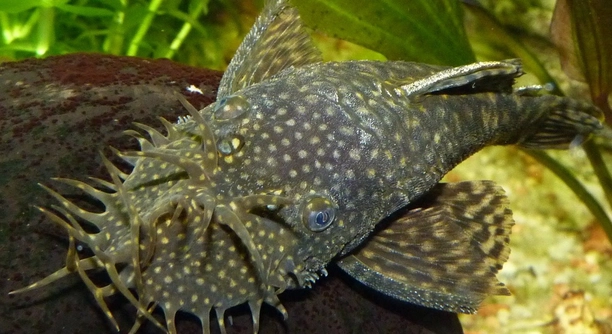
Plecos are a popular choice for aquarium owners due to their peaceful nature and unique appearance. As with any aquarium species, understanding their care needs is essential to ensure they thrive in your tank environment.
Plecos, like many other aquatic species, do require a day-night cycle to maintain their natural behavior patterns. Exposure to both light and darkness helps regulate their internal rhythms and supports their overall health and well-being.
Maintaining a consistent light cycle can help regulate their feeding and rest patterns. It also promotes a stable and healthy environment for both the pleco and other aquarium inhabitants.
Why Does a Day-Night Cycle Matter for Plecos?
Plecos, like most fish, have biological rhythms that are influenced by light. These rhythms help regulate their activities, such as feeding and resting, just like any other creature. Without a proper day-night cycle, plecos may become stressed, which can impact their overall health. They typically become more active during the evening, feeding on algae and detritus in the wild. This behavior is closely tied to the presence of light and darkness.
In an aquarium setting, having a consistent light schedule helps replicate the environment they would naturally experience. Without it, plecos may develop irregular behavior, including stress-related issues such as lethargy or lack of appetite. Stress in plecos can weaken their immune systems, making them more susceptible to illness.
For optimal health, it’s crucial to provide them with a consistent light and dark schedule. Using a timer for your aquarium lights ensures that the cycle remains stable, which can make a significant difference in how your pleco behaves and thrives in your tank.
Creating a Balanced Light Schedule
It’s essential to mimic natural light as much as possible. Aim for 10-12 hours of light during the day and 12-14 hours of darkness at night.
The right lighting also helps plecos maintain healthy body functions. Not only does it regulate their behavior, but it can also promote proper digestion. Excessive light can disrupt their cycle, so it’s best to avoid leaving lights on all the time. Consistency is key to creating a healthy environment for plecos to thrive in.
The Impact of Light on Pleco Health
Plecos rely on light exposure to regulate their internal cycles, including feeding and sleeping. Without a proper light schedule, they may become disoriented, which can lead to stress and other health issues.
Plecos are naturally nocturnal creatures, and their behaviors, such as feeding on algae, occur mostly during the evening hours. In the wild, they experience a natural light-dark cycle that influences their activity levels. When an aquarium doesn’t replicate this pattern, it can lead to confusion, making the pleco more vulnerable to stress and poor health.
A well-maintained light schedule not only helps plecos manage their activity but also supports their immune system. Stress caused by erratic lighting can weaken their defenses against disease, making a consistent light-dark cycle crucial for their long-term health.
Adjusting Light for Different Pleco Species
Different pleco species may have slightly different lighting needs, but all require a balanced day-night cycle to thrive.
While the general rule of 10-12 hours of light and 12-14 hours of darkness works for most, some species may benefit from slightly longer or shorter periods of light. For example, plecos from darker, deeper waters might prefer less light exposure. Researching the specific needs of your pleco species can help create an optimal environment tailored to their natural habitat. Always monitor their behavior, adjusting the light cycle as necessary to maintain their health and well-being.
How to Set Up a Day-Night Cycle for Your Pleco
Setting up a day-night cycle for your pleco is simple. Use a timer for your aquarium lights to ensure a consistent cycle.
A timer will automatically turn the lights on and off at the same time every day. This eliminates the guesswork and ensures your pleco has the appropriate amount of light and darkness. A steady routine helps your pleco feel secure and manage its natural rhythms.
Light Preferences for Plecos
Plecos can tolerate various light conditions, but a balanced approach works best for most species.
For most plecos, moderate lighting is ideal. Too much light can stress them, while too little may interfere with their natural behaviors. Ensure that your tank includes shaded areas where your pleco can retreat if it needs a break from the light.
FAQ
What happens if a pleco doesn’t have a proper day-night cycle?
If a pleco doesn’t have a proper day-night cycle, it can experience stress, which affects its feeding habits and overall health. Plecos rely on both light and darkness to maintain their natural rhythms. Without this cycle, they may become lethargic, lose appetite, and even develop immune system issues. Stress from erratic lighting can also cause them to become more susceptible to diseases.
Can plecos live in a tank with 24-hour light?
Plecos should not be exposed to 24-hour light. Continuous light disrupts their natural day-night rhythm, leading to stress and health problems. Plecos are nocturnal by nature, so they need periods of darkness to rest. Without darkness, their behavior will be erratic, and they may stop eating or become sick.
How can I adjust the lighting for different pleco species?
Each pleco species has different lighting preferences based on their natural habitat. For species from deeper, darker waters, such as the Zebra Pleco, you might want to provide lower light levels. In contrast, species from well-lit rivers may tolerate more light. Research the specific needs of your pleco species and observe their behavior to adjust the lighting accordingly.
What type of light is best for plecos?
LED lights are commonly used in aquariums because they are energy-efficient and can provide a range of brightness levels. For plecos, you don’t need very bright lighting. Moderate light is sufficient to simulate the natural lighting conditions they would experience in the wild. Avoid direct overhead lights that can create hot spots in the tank.
Can plecos survive in tanks without any light?
While plecos can tolerate low light levels, complete darkness is not ideal. They still need some light to regulate their natural day-night cycle and for feeding purposes. A small amount of ambient light is necessary for them to feel secure and for the aquarium environment to remain healthy.
How do I create a day-night cycle for my pleco if I don’t have a timer?
If you don’t have a timer, you can manually control the lighting in your tank. Make sure the lights are on for 10-12 hours a day and off for 12-14 hours each night. Consistency is important, so try to keep the schedule the same every day. This routine mimics natural conditions and helps keep your pleco in good health.
Do plecos need a specific light intensity?
Plecos generally prefer low to moderate light intensity. While some species may adapt to brighter settings, too much light can stress them. Dim lighting allows plecos to feel more comfortable and mimic the natural environment, where they are often found in shaded areas of rivers or lakes. You can use plants or decorations to create shaded spots in your tank.
How do I know if my pleco is stressed from lighting?
Signs of stress in a pleco can include hiding more than usual, a lack of appetite, and erratic swimming behavior. If your pleco is frequently hiding or not feeding, it could be a sign that the lighting is too intense or not consistent enough. A stressed pleco may also develop physical issues, such as discoloration or injuries from scraping against tank surfaces.
How much light should I provide during the day for my pleco?
A general guideline is to provide 10-12 hours of light during the day. This simulates the natural light cycle of most pleco species. Too much light can lead to algae growth in the tank and stress for your pleco, while too little can disrupt their biological rhythms. Keep the lighting steady and avoid leaving the light on too long.
Is it necessary to turn off the aquarium light at night for my pleco?
Yes, it is important to turn off the aquarium light at night. Plecos are nocturnal and need darkness to sleep and restore their energy. A complete day-night cycle helps regulate their natural behavior and contributes to their overall health. The absence of light at night mimics their natural habitat and ensures they get the rest they need.
Can I use aquarium plants to help manage lighting for my pleco?
Aquarium plants can help create natural hiding spots and areas with low light, which plecos appreciate. Plants also absorb some of the light, preventing it from being too intense for your pleco. By placing plants in strategic locations within the tank, you can offer your pleco shaded areas while still providing enough light for the overall aquarium ecosystem.
Do plecos need UV light?
UV light is not necessary for plecos. Unlike some species of fish, plecos do not require UV lighting for health purposes. However, providing a day-night cycle with moderate lighting is still important. Too much UV light can cause stress and disrupt their natural rhythms, so it’s best to avoid using UV lights unless specifically required for other tank inhabitants.
Can I use a natural sunlight cycle for my pleco?
Natural sunlight can be used, but it’s important to be cautious. Direct sunlight can cause temperature fluctuations in the tank, which can stress your pleco. It’s better to replicate a natural light cycle using a controlled aquarium light. If you do choose to rely on natural light, make sure it’s indirect and stable to avoid changes in temperature.
Final Thoughts
Creating a proper day-night cycle for your pleco is essential for its overall health and well-being. As nocturnal creatures, plecos rely on periods of darkness to rest, maintain their natural rhythms, and regulate their feeding patterns. By providing a stable and consistent light schedule, you ensure that your pleco can experience a healthy sleep-wake cycle. This balance helps reduce stress, which can lead to improved eating habits and better immune function. Without this cycle, plecos may become disoriented, leading to potential health issues such as poor appetite, lethargy, or susceptibility to diseases.
A simple solution, like using an aquarium timer, can make a significant difference in maintaining a consistent light schedule. This takes the guesswork out of managing light levels and ensures that your pleco receives the appropriate amount of light and darkness. Although plecos do not require intense lighting, they do need enough light to regulate their internal cycles. By adjusting light intensity and ensuring there are shaded areas within the tank, you can create a comfortable environment for your pleco.
Remember that each pleco species has slightly different needs when it comes to lighting. Some may prefer lower light levels, while others may tolerate more intense lighting. Researching the specific species you have and observing their behavior will help you make the best adjustments to their environment. Regular observation of your pleco’s activity, health, and behavior will provide you with the necessary clues to determine if the lighting setup is ideal. With proper care and attention to their day-night cycle, your pleco can thrive and maintain a healthy, happy life in your aquarium.

Hello,
If you enjoy the content that we create, please consider saying a "Thank You!" by leaving a tip.
Every little bit helps us continue crafting quality advice that supports the health, happiness, and well-being of pets around the world, for pets of all shapes, sizes, and species.
We really appreciate the kindness and support that you show us!