
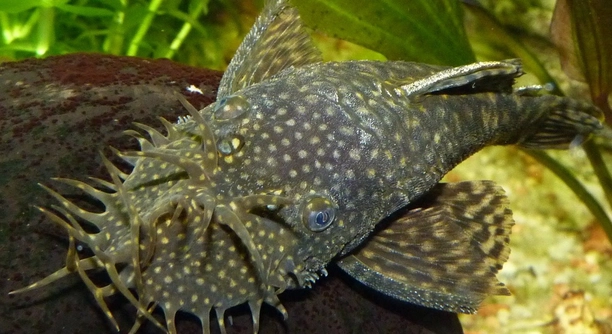
Plecos are popular aquarium fish known for their algae-eating habits. However, their presence in your tank might lead to some mess. Many aquarium owners wonder if these fish cause a lot of maintenance trouble.
Plecos can indeed create a mess in the aquarium due to their waste production, leftover food, and debris from their natural behavior. This can lead to an increase in cleaning needs for tank owners. Regular water changes and maintenance are necessary.
Understanding their behavior and needs can help manage the mess they might create. We’ll explore ways to keep your aquarium clean while ensuring your pleco stays healthy and happy in its environment.
How Plecos Contribute to Aquarium Waste
Plecos are known for eating algae, but they also produce a significant amount of waste. They excrete solid waste and leftover food that can accumulate in the tank. The result is often a murky environment, especially in smaller tanks. While plecos help keep algae in check, their waste can make it harder to maintain a clean tank. The debris from their feeding habits, including pieces of algae or other food, adds to the mess.
As plecos are bottom dwellers, their behavior can stir up substrate, further contributing to tank clutter. They can also produce biofilm on surfaces, which, although beneficial for some organisms, can contribute to an unclean appearance. Because of their size and feeding habits, regular cleaning is essential to manage waste effectively and maintain a healthy tank.
Plecos may also enjoy hiding in crevices or using decorations for shelter, but in doing so, they sometimes disturb substrate and debris. This creates additional work for aquarium owners who need to monitor tank cleanliness closely.
Managing Pleco Waste in Your Aquarium
The best way to handle pleco waste is by establishing a regular cleaning schedule.
To prevent debris buildup, consider adding a good filtration system, especially if your tank is on the smaller side. Regular water changes will help maintain water quality and reduce excess nutrients in the tank. Keep the substrate clean by using a gravel vacuum to remove waste and leftover food. It’s also helpful to feed your pleco small amounts of food at a time, so excess doesn’t accumulate.
How Plecos Affect Water Quality
Plecos contribute to the overall water quality in the tank. Their waste adds to the nitrate and ammonia levels, which can affect fish health if not managed properly. Without regular water changes, these levels can rise and cause stress for other aquatic life.
Over time, high ammonia and nitrate levels lead to poor water conditions, which can cause algae blooms. This further impacts the aquarium’s cleanliness and fish health. Keeping the water parameters in check, including pH, hardness, and temperature, will also help mitigate some of the effects plecos have on water quality.
To prevent water quality from deteriorating, make sure to test the water frequently. Adjust filtration or add extra filters if necessary. Consistent maintenance and proper care for your pleco will ensure your tank remains a healthy environment for all its inhabitants.
The Right Filtration System for Your Tank
A proper filtration system is essential for a tank with a pleco.
Plecos are messy eaters and produce a lot of waste, so a strong filtration system is necessary to maintain a clean tank. A canister filter or a power filter designed for larger tanks is ideal. These filters can handle the excess waste and help keep the water clean. It’s essential to choose a filter that can handle the bio-load, or the amount of waste produced by your aquarium inhabitants.
Keep the filter clean and change the media as recommended. This will ensure your pleco’s tank has the filtration it needs to stay healthy. A good filter removes not only visible waste but also harmful chemicals that may be lurking in the water.
Pleco Feeding Habits and Their Impact
Plecos are bottom feeders, often eating algae, leftover food, and detritus. While they help clean up some of the tank, their feeding habits can lead to a build-up of waste. Overfeeding them can also cause additional waste and poor water quality.
It’s essential to feed plecos the right amount of food. Overfeeding leads to uneaten food sinking to the substrate, creating more waste for your filter to handle. Offering smaller, frequent meals helps manage this better and ensures your pleco gets enough nutrition without creating a mess.
Substrate and Decorations in Pleco Tanks
Plecos often disturb the substrate while searching for food, which can stir up waste.
They also tend to hide in crevices, under decorations, or within rocks, which may cause debris to collect in these areas. It’s essential to keep the decorations clean and make sure the substrate is not too fine, as it can trap waste. Properly placed decorations allow your pleco to hide while still allowing for easier cleaning.
FAQ
Do plecos make a lot of mess?
Yes, plecos can make a significant mess in your aquarium. They produce waste, and their feeding habits often stir up debris in the tank. Their leftover food, solid waste, and even pieces of algae can create a messy environment. Their natural behaviors, like hiding in decorations or disturbing the substrate, add to the debris. Keeping up with regular cleaning and water changes is necessary to manage the mess they create.
How often should I clean the aquarium if I have a pleco?
With a pleco in your tank, you should aim to clean the aquarium at least once a week. This includes changing about 20-30% of the water, vacuuming the substrate, and cleaning any decorations or equipment. If your pleco is particularly large or if you have a smaller tank, more frequent cleanings may be necessary to maintain good water quality.
Can plecos eat too much and cause a mess?
Yes, overfeeding your pleco can definitely cause a mess. Uneaten food can sink to the substrate and break down, raising ammonia levels in the water. Overfeeding also leads to more waste production. It’s better to feed your pleco small portions regularly and only as much as it can consume within a few hours. This reduces the chances of excess food building up in the tank.
What is the best food for a pleco?
Plecos are mostly herbivores, so their diet should consist of algae wafers, blanched vegetables like zucchini, cucumber, and spinach, and occasionally, high-quality pellet food. You can also offer them driftwood to chew on. A balanced diet helps maintain their health and reduces the chance of excess waste from overfeeding.
Can plecos live with other fish, and will they cause extra mess?
Plecos can live with many other types of fish, but they may create extra mess due to their feeding habits. They are bottom dwellers and may stir up debris while scavenging for food. However, as long as the tank is large enough and you keep up with regular cleaning, they can coexist peacefully with other fish. Just make sure the fish species you choose are compatible with the pleco’s temperament.
Will plecos clean my tank completely?
Although plecos are great at eating algae, they won’t completely clean your tank. They may help reduce algae buildup, but they still produce waste and may leave leftover food in the tank. Plecos also do not clean every surface—especially hard-to-reach areas like tank walls or decorations. Regular maintenance is still necessary to keep the tank clean.
How do plecos affect water quality?
Plecos can impact water quality because of the waste they produce. As bottom feeders, they excrete large amounts of waste, which can increase ammonia and nitrate levels in the water. If left unchecked, these elevated levels can cause poor water quality, which may stress other fish in the tank. Regular water changes and filtration are crucial to keeping the water clean and safe.
Do plecos need special care when it comes to water temperature?
Yes, plecos need specific water conditions to thrive. They generally prefer water temperatures between 72-78°F (22-26°C). It’s important to maintain a stable temperature, as fluctuations can stress the pleco and other tank inhabitants. Make sure to monitor the water temperature with a reliable aquarium thermometer and use a heater if necessary.
What size tank do I need for a pleco?
Plecos can grow quite large, so they need a tank that accommodates their size. For smaller plecos, a 30-gallon tank is typically sufficient. However, larger species, such as the common pleco, may require a 75-gallon tank or even larger to allow them to swim freely and maintain water quality. A larger tank also helps reduce the frequency of water changes.
Are plecos messy eaters?
Yes, plecos are often considered messy eaters. They can be quite rough with food, scattering it around the tank. Additionally, they often feed on algae, detritus, and leftover food, which can leave behind waste. To minimize the mess, avoid overfeeding and keep the tank clean regularly.
Final Thoughts
Plecos can be wonderful additions to your aquarium, offering natural algae control and adding character to your tank. However, they are not without their challenges. While they help keep algae under control, their feeding habits and waste production can lead to a mess. As bottom dwellers, they tend to stir up substrate and debris, which can accumulate quickly if not managed. Their waste can also impact water quality, raising ammonia and nitrate levels, which could harm other fish if left unchecked.
To keep your tank clean, regular maintenance is essential. This includes water changes, substrate vacuuming, and cleaning decorations. It’s important to monitor the pleco’s feeding habits, ensuring you don’t overfeed, as uneaten food can sink and cause further mess. A strong filtration system is also key in managing the bio-load plecos produce. Choosing the right filter will help maintain good water quality and keep debris from building up. You should also test the water frequently to make sure the ammonia, nitrate, and nitrite levels stay safe for all the inhabitants in your aquarium.
In conclusion, while plecos do create extra work in terms of cleaning and maintaining water quality, their benefits can outweigh the challenges. They are an excellent way to control algae naturally, but they require regular care and attention. By setting up a proper cleaning routine, feeding appropriately, and maintaining the right tank conditions, you can enjoy the company of your pleco without letting the mess become overwhelming.

Hello,
If you enjoy the content that we create, please consider saying a "Thank You!" by leaving a tip.
Every little bit helps us continue crafting quality advice that supports the health, happiness, and well-being of pets around the world, for pets of all shapes, sizes, and species.
We really appreciate the kindness and support that you show us!