
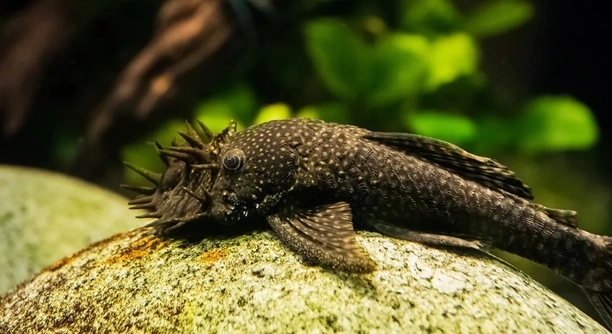
Have you ever watched your pleco swimming around and wondered if it enjoys the water flow coming from the filter? These calm bottom-dwellers often seem content, but the role of water current can be important.
Plecos generally prefer a moderate water current that mimics their natural river habitats. The flow helps with oxygen levels and keeps the tank clean. However, too strong of a current may cause stress or limit their ability to rest.
Learning how plecos interact with current can help you create a tank environment that supports their health and daily activity.
Why Water Flow Matters for Plecos
In the wild, many pleco species live in rivers and fast-moving streams where water is constantly flowing. This current plays a big role in their daily lives by supplying oxygen, helping with waste removal, and mimicking their natural surroundings. In a tank, recreating this condition with a filter or powerhead can make them feel more at ease. While plecos are bottom-dwellers, they still benefit from water movement, especially when it helps move debris off the substrate. A steady flow also supports healthy gill function and keeps algae growth under control, which plecos often feed on. However, not all plecos are the same. Some species, like the Bristlenose, may prefer gentler flows, while others, such as the Common Pleco, are better suited for stronger movement. Matching the flow to your pleco’s natural habitat is a helpful way to support its health and behavior.
A balanced flow encourages activity and keeps your pleco’s environment clean and oxygen-rich.
Too much current can lead to unnecessary stress. If your pleco is always hiding or seems to struggle staying still, the flow might be too strong. Try adjusting the filter output or redirecting the flow toward tank walls or decorations. This can break up strong movement without sacrificing water quality. You can also create calm zones using driftwood or large rocks where the pleco can rest. It’s all about creating a space that feels safe and comfortable. Observing how your pleco behaves in different parts of the tank will help you figure out if adjustments are needed. If it stays active, forages normally, and rests peacefully, your setup is likely on the right track.
Signs Your Pleco Likes the Current
If your pleco chooses to sit in the path of the water flow, that’s a good indicator it finds the current comfortable.
Plecos that are healthy and at ease will explore their environment, stay visible during feeding times, and rest in open areas without looking stressed. On the other hand, signs like constant hiding, clinging to tank corners, or struggling against the current might suggest the flow is too intense. Some plecos may even avoid high-flow areas altogether, which shows they aren’t enjoying the movement. Keep an eye on how your pleco interacts with the tank setup after changes are made. You can fine-tune the flow by using filter baffles, positioning decorations more strategically, or choosing a filter that offers adjustable speeds. A relaxed, active pleco is a good sign you’ve created a flow that supports its needs. It’s not just about movement—it’s about comfort, rest, and encouraging natural behaviors without causing unnecessary strain.
Adjusting Flow Based on Tank Setup
Different setups can affect how the current moves through the tank. Decorations, plants, and filter placement all play a role. Some layouts create dead spots, while others may push too much flow toward the bottom where plecos rest.
To create a better environment, try placing decorations like driftwood and rocks in areas where the flow is too strong. This helps break up the current and gives your pleco calm spots to rest. If you’re using a powerful filter, angle the output toward the tank wall to slow things down. Sponge filters are a good option for gentler tanks. Make sure the current doesn’t blow debris into hiding spots, as plecos like to rest in those areas. Test different setups and watch your pleco’s behavior to know what works. A balanced flow supports both comfort and cleanliness in the tank, keeping your pleco healthier in the long run.
If your pleco lives with other fish, you’ll want to find a flow level that works for everyone. Fast-swimming fish may prefer more movement, while bottom-dwellers like plecos do better with gentle, steady flow. Use plants and tank décor to separate fast and slow-flow zones. Live plants can also help by catching debris and slowing the water naturally. Avoid blasting current directly at the substrate, especially if your pleco feeds off the bottom. Keep an eye out for signs of stress or inactivity. A calm pleco that rests openly and feeds regularly usually means the current is set just right. The goal is to build a space where every fish has room to move, rest, and eat without constant adjustment or discomfort.
Pleco Species and Their Flow Preferences
Some pleco species are better suited for strong water flow than others. For example, Hillstream loaches and Rubber Lip plecos enjoy more movement, while Clown and Bristlenose plecos may prefer gentler conditions with slower-moving water.
The species you keep will guide how strong your filter or powerhead should be. Hillstream types naturally live in rivers with steady, fast-moving currents, so they tend to be more active in strong flow. On the other hand, smaller species like Bristlenose plecos do well in moderately calm setups and may struggle if the current is too direct. Knowing your pleco’s origin helps you match the environment more accurately. When setting up a tank, research the native habitat of your specific pleco. Use this information to adjust flow speed, direction, and intensity. It doesn’t need to be exact, but getting close can make a big difference in health, behavior, and tank cleanliness over time.
Watching Behavior for Clues
If your pleco spends time in the flow, especially near the filter output, it likely enjoys the current. Active movement, relaxed resting, and regular feeding are all signs that the setup is working well.
On the other hand, if your pleco hides constantly or avoids the flow zone, that could mean the water is too strong. Stressed plecos may cling to surfaces, avoid swimming, or show a lack of interest in food.
Tips for Fine-Tuning Current
Start by adjusting your filter output direction or using spray bars to spread the flow more gently across the tank. Add driftwood or tall plants to break the current into softer sections. Check your pleco’s favorite spots and see how water moves there. If the area is too turbulent, make changes to reduce stress. When making changes, give it a few days to observe your pleco’s behavior again. Minor shifts can make a big difference. Be patient and aim for a mix of calm resting zones and lightly moving water to support healthy oxygen levels and waste control.
Final Check-In Signs
A healthy pleco will rest peacefully, feed normally, and explore without stress. These are good signs your current setup is just right.
FAQ
Do plecos need strong water flow to stay healthy?
Not all plecos need strong water flow. Some species come from fast-moving rivers and may enjoy it, but others prefer calmer waters. Bristlenose and Clown plecos, for example, do well with moderate to low flow. What matters most is steady water movement that keeps the tank clean without making your pleco feel like it has to fight the current constantly. Look for signs of stress or comfort in how your pleco behaves. If it’s hiding a lot or sticking to one spot near the bottom, the current may be too strong. If it seems active and calm, you’re likely in a good range.
Can plecos sleep in the current?
Plecos often rest in calmer areas of the tank, especially under driftwood or behind rocks. Even if there’s a current in the tank, they usually find quiet zones where they can sleep peacefully. Some plecos may rest near the flow if it’s gentle, but most prefer stiller areas for sleeping. Providing hiding spots and shaded areas helps them feel secure and get the rest they need. It’s rare to see a pleco sleep right in a strong stream of water, so if that’s happening, make sure it’s by choice and not because the rest of the tank is too chaotic.
How can I tell if the current is too strong for my pleco?
Signs that the current is too strong include constant hiding, clinging to surfaces, lack of movement, or avoiding the flow area entirely. If your pleco stops eating or looks stressed, that’s another sign. Watch how it behaves around the filter or powerhead. If it’s being pushed around or can’t swim comfortably, it’s best to tone things down. Adjust the direction of flow or add décor to break it up. Over time, you’ll find a balance that keeps the water clean without disturbing your pleco’s behavior or comfort.
What’s the best filter for a pleco tank?
For most pleco tanks, a canister filter or a sponge filter works well. Canister filters are strong and efficient, especially in larger tanks. They offer good water movement and keep debris from building up. Just make sure the outflow isn’t blasting the bottom where your pleco hangs out. Sponge filters are quieter and provide gentle flow, which is better for smaller tanks or sensitive species. Whichever filter you choose, be sure to maintain it regularly to keep the water clean and oxygen-rich. Clean water matters just as much as the strength of the flow.
Do plecos enjoy swimming into the current?
Some plecos will swim into the current occasionally, especially if they’re feeling active or playful. But they don’t do it all the time. It’s more common for them to explore, then return to their favorite calm zones. Swimming into the flow now and then can be a sign that they’re comfortable and curious. If they stay in the current for long stretches, especially right near the filter output, check the rest of the tank. It may be too still or lack hiding spaces, making that area the most appealing spot for them.
Can too little flow harm a pleco?
Yes, but mostly indirectly. Too little flow can lead to poor water circulation, which means low oxygen levels and more waste settling on the tank floor. This affects the whole tank, including your pleco’s health. A slow, stagnant tank can also encourage algae growth or cause uneaten food to rot. Even if your pleco likes calmer water, the tank still needs steady filtration. You don’t need a strong current, but you do need clean, oxygen-rich water. Aim for gentle movement across the surface and good filtration below to keep everything balanced.
Should I use an air stone with my pleco?
Using an air stone can be helpful, especially in tanks with low surface agitation. It boosts oxygen levels and supports healthy bacteria. Plecos usually don’t mind the bubbles, and they might even rest near the rising flow if it feels nice. Just make sure it doesn’t disturb them too much or create a noisy environment. Air stones aren’t required if your filter already creates good surface movement, but they can add extra support in keeping the tank healthy. It’s a simple addition that helps long-term water quality, especially during warmer months or in larger tanks.
Final Thoughts
Plecos are fascinating fish that bring both beauty and functionality to an aquarium. They’re known for their algae-eating habits, peaceful nature, and unique appearance. When it comes to water flow, there isn’t just one rule for every pleco. Each species comes from different natural environments. Some prefer fast-moving rivers, while others live in slow, shallow waters. That’s why it’s important to understand the needs of the specific pleco you have. While they can adapt to a range of conditions, making sure the current isn’t too strong or too weak will help your pleco stay comfortable and healthy.
In most tanks, a gentle to moderate current works well. It keeps the water clean, moves debris toward the filter, and helps oxygen levels stay steady. If the flow is too strong, your pleco may struggle to rest or find a calm spot to settle. On the other hand, if the tank has almost no flow, waste can build up and create unhealthy conditions. Watching your pleco’s behavior will tell you a lot. If it hides constantly, clings tightly to surfaces, or avoids moving water altogether, the flow may need adjusting. Adding rocks, driftwood, or plants can also help block or redirect water movement, creating spaces your pleco can use.
Maintaining the right environment goes beyond just flow. Clean water, proper filtration, and enough space all play a role in keeping your pleco healthy. Offering hiding spots, stable temperatures, and a varied diet also supports their long-term wellbeing. While plecos aren’t overly demanding, they do best when their needs are taken seriously. Adjusting the current, even slightly, can make a noticeable difference in their activity and stress levels. Every tank is a little different, so small changes may be needed over time. By paying attention to how your pleco responds and making thoughtful adjustments, you’ll create a space that’s both safe and comfortable. In return, your pleco will continue to thrive and contribute to a peaceful, balanced tank.

Hello,
If you enjoy the content that we create, please consider saying a "Thank You!" by leaving a tip.
Every little bit helps us continue crafting quality advice that supports the health, happiness, and well-being of pets around the world, for pets of all shapes, sizes, and species.
We really appreciate the kindness and support that you show us!