
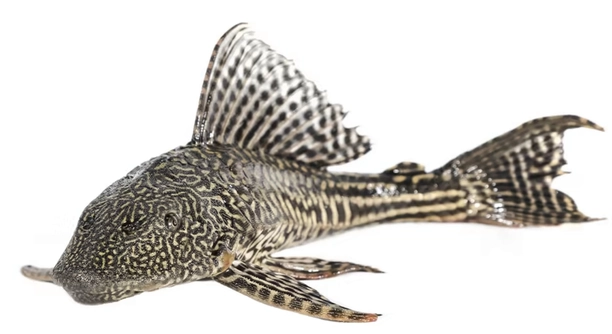
Do you ever find yourself watching your pleco explore the tank and wondering if it enjoys climbing the decorations inside? These bottom-dwellers may surprise you with their behavior and movement patterns in a well-decorated aquarium setup.
Plecos are naturally inclined to climb and attach themselves to tank decorations, especially smooth surfaces like driftwood and rocks. Their sucker-mouth anatomy allows them to grip and explore vertical and angled structures within their aquatic environment.
Tank decoration choices can influence your pleco’s comfort, behavior, and overall well-being, making it helpful to understand what they prefer.
Why Plecos Climb Tank Decorations
Plecos are known for their ability to cling to surfaces using their specialized mouthparts. In the wild, they often attach themselves to rocks, submerged wood, or even aquatic plants while searching for food or resting. This behavior translates directly into home aquariums. When given access to stable decorations, plecos will frequently climb and explore them. They enjoy surfaces that mimic their natural environment, especially driftwood, smooth rocks, and artificial caves. Climbing helps keep them engaged and active, which supports their physical and mental health. It also gives them more surface area to graze on algae, which is part of their diet.
Plecos use climbing as both a feeding habit and a resting method. They often cling to vertical or slanted surfaces to feel secure while staying still.
Giving your pleco access to clean, smooth, and stable decorations offers both enrichment and practical support for their natural behaviors.
What Decorations Plecos Prefer
Plecos usually prefer decorations with smooth textures and solid surfaces. These allow them to latch on easily without damaging their skin.
Driftwood is a popular choice for many pleco owners. It serves as both a climbing structure and a supplemental food source, especially for species that benefit from wood fiber. Smooth river rocks and broad artificial plants are also well-accepted options. Decorations should be sturdy and free from sharp edges, since plecos often use their whole body to navigate and hold on. Avoid lightweight or hollow ornaments that could trap the fish or tip over easily. Ceramic caves and tunnels provide excellent resting spaces while also functioning as areas to explore and climb. Position decorations in a way that gives your pleco multiple angles and surfaces to attach to. This adds interest and allows them to regulate their activity levels based on comfort and tank flow. Clean decorations regularly to remove algae buildup that can affect water quality.
How Climbing Benefits Plecos
Climbing supports your pleco’s natural behaviors while also keeping it physically active. The movement involved helps with muscle tone and reduces stress. It also encourages more natural feeding patterns when decorations are coated with algae or biofilm.
When plecos have access to climbable surfaces, they tend to be more relaxed and confident in their environment. This reduces hiding behavior and can lead to more visible activity, especially during low-light hours. Climbing also provides them with a choice of resting spots at different tank levels. This can be especially useful for plecos that enjoy shifting between hiding and grazing. The added surface area from decorations supports their constant need to graze without exhausting the tank’s glass or substrate. Enrichment through climbing also helps reduce boredom-related issues like excessive hiding or aggression. It’s a simple way to support their well-being in a confined environment.
Consistent climbing can even support better digestion. Plecos often graze while climbing, and the effort of moving helps promote regular gut activity. This is especially helpful for species that are prone to bloating or sluggish digestion. A well-decorated tank with suitable climbing areas helps support healthier eating and movement patterns, which play a role in preventing common health concerns over time.
Risks of Unsafe Decorations
Unsafe decorations can lead to cuts, trapped fins, or even internal injuries if ingested. Plecos use their entire bodies when climbing, so anything with rough edges or sharp holes should be avoided.
Hollow resin decorations and unstable ornaments can tip or collapse when plecos latch onto them. This poses a risk of crushing, especially in smaller tanks. Plecos also like to wedge themselves into tight spaces, so any decoration with narrow gaps should be carefully checked. Smooth driftwood or securely anchored rocks are far safer than lightweight or brittle materials. Decorations coated in paint or glazes not rated for aquariums can also flake over time and contaminate the water. It’s important to test new decorations for stability and avoid anything that might have small detachable pieces. Regular inspection helps prevent unexpected issues and keeps the tank environment safer for your pleco.
Cleaning and Maintenance Tips
Keep climbing surfaces clean to prevent algae buildup from overwhelming the tank. While plecos eat algae, too much can affect water quality.
Use a soft brush to clean decorations gently without damaging them. Avoid harsh chemicals and rinse thoroughly before placing items back in the tank.
Best Tank Setup for Climbing
A good setup includes stable driftwood, smooth rocks, and ceramic caves arranged to give access at different angles and levels. Avoid overcrowding the tank with too many items. Leave open swimming areas while still offering several textured surfaces for climbing. Use strong suction or anchoring to keep decorations in place. Ensure the tank has gentle water flow to support oxygen levels without making climbing difficult. Lighting should be soft or adjustable, as plecos prefer dim environments and may avoid climbing if the light is too harsh. A well-balanced setup encourages healthy exploration, resting, and grazing habits, helping your pleco stay active and comfortable.
Signs Your Pleco Enjoys Climbing
You may notice your pleco regularly attaching itself to rocks or decorations, staying there for long periods, or shifting between surfaces with ease.
FAQ
Do all plecos like to climb?
Most plecos enjoy climbing, especially those with sucker-mouths adapted for clinging to surfaces. While some species are more active than others, the majority will use tank decorations like driftwood, rocks, or caves to explore or rest. Some may spend more time on the substrate, while others prefer vertical or angled surfaces. Species like the Bristlenose and Clown pleco are more commonly seen climbing than larger types like the Common pleco. Providing varied textures and secure decorations encourages natural climbing behavior regardless of species.
What type of surfaces are best for climbing?
Smooth, solid surfaces are ideal. Driftwood, rounded river rocks, and ceramic caves give plecos plenty of grip without damaging their skin. Avoid sharp or rough materials like jagged slate or cracked ornaments. Artificial decorations should be labeled as aquarium-safe and free from flaking paint or coatings. Natural driftwood is especially helpful, offering both climbing opportunities and a source of dietary fiber for wood-eating species. Flat stones arranged at slight angles can also give plecos comfortable places to latch onto.
Can plecos get stuck in decorations?
Yes, plecos can get stuck if the decorations have narrow gaps or hollow spaces that are too tight. Because they sometimes wedge themselves in for shelter or rest, it’s important to choose decorations with open, smooth tunnels and spaces large enough for your pleco to turn around. Avoid anything with small holes or fragile parts. Regularly inspect your tank for potential hazards and monitor new decorations closely during the first few days. If a pleco gets stuck, it may struggle or stop moving, which can lead to injury if not noticed quickly.
Do plecos climb glass too?
Plecos often cling to the tank glass, especially when searching for algae. This is common and completely normal. Glass climbing allows them to move around and graze, especially in tanks with low algae levels on other surfaces. However, excessive glass-clinging could also be a sign that there aren’t enough decorations or hiding spaces in the tank. Providing more structured surfaces encourages a more balanced use of space. Make sure the glass is free from harmful residues or scratches that could irritate their mouth.
How can I tell if my pleco enjoys the tank layout?
A pleco that is comfortable will regularly explore different decorations, shift between resting spots, and graze calmly on available surfaces. It may also remain visible during the early morning or evening hours, depending on its natural schedule. If it hides constantly or avoids climbing, the layout may be too exposed or the tank lighting too harsh. You might also notice more activity when the environment includes driftwood or caves. Adjust decorations gradually to see what works best for your pleco’s preferences.
Should I rearrange the tank decorations often?
Frequent rearranging can cause stress for plecos, especially since they become familiar with their environment. However, small changes made gradually can help keep things fresh without overwhelming them. If you notice that your pleco has stopped climbing or seems less active, adding one or two new items or slightly adjusting existing ones might help. Avoid making major changes all at once, and always monitor their behavior after any adjustment. Consistency is usually more beneficial for their comfort and confidence.
What size tank is best for climbing behaviors?
Larger tanks give plecos more room to explore and climb. A minimum of 20 gallons is recommended for smaller species like Bristlenose, while larger plecos need much more space. Tank size also allows for better decoration placement, preventing overcrowding and leaving open areas for swimming. A spacious tank setup with different levels, textures, and hiding spots gives plecos more climbing opportunities and supports overall health. It also makes maintenance easier and reduces territorial stress if housed with other bottom-dwellers.
Final Thoughts
Plecos are naturally equipped to climb, and many species enjoy exploring their tanks through vertical movement. Their sucker-like mouths allow them to attach to various surfaces like driftwood, rocks, and tank glass. Climbing is not only a part of their instinctive behavior but also a way for them to graze and rest. When a pleco has the right environment, including clean, stable decorations and enough space to move, it is more likely to show these climbing habits. Offering them the right setup allows them to feel secure and stay active throughout the day and night.
Each pleco has its own personality, and while some will climb often, others may do so less frequently. That doesn’t mean something is wrong. What matters most is whether your pleco appears healthy, active, and comfortable in its space. Watching where your pleco spends its time can help you understand if your tank setup is meeting its needs. If it avoids decorations or sticks to one area only, you may want to adjust lighting, spacing, or materials to make the tank more inviting. When climbing behavior is present, it’s often a sign that your pleco feels safe enough to explore.
Keeping your pleco happy means keeping the tank clean, safe, and well-decorated. Choose materials carefully, place decorations securely, and avoid overcrowding. Don’t forget that a balanced environment includes both structure and open space. With the right care and attention, plecos can thrive in a home aquarium and display a range of natural behaviors like climbing, grazing, and hiding. These small details may seem simple, but they play a big role in your pleco’s health and comfort. Taking the time to create the right space not only supports your fish’s well-being but also allows you to enjoy observing its behavior in a more natural and relaxed way.

Hello,
If you enjoy the content that we create, please consider saying a "Thank You!" by leaving a tip.
Every little bit helps us continue crafting quality advice that supports the health, happiness, and well-being of pets around the world, for pets of all shapes, sizes, and species.
We really appreciate the kindness and support that you show us!