
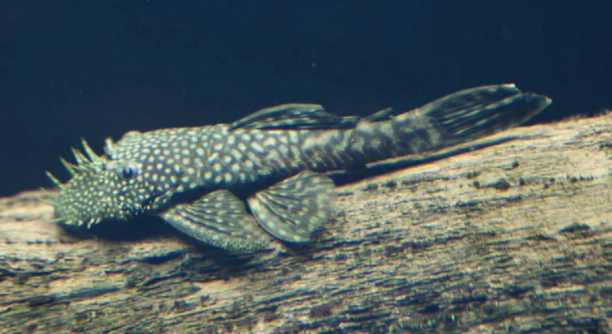
Plecos are popular freshwater fish, known for their unique appearance and helpful nature in keeping aquariums clean. However, if you’re new to caring for one, you might wonder if they enjoy being alone or need company.
Plecos are generally solitary creatures. They thrive in peaceful environments and prefer to have their own space. While they can tolerate the presence of other fish, they don’t require constant interaction or companionship.
Understanding how to create a suitable environment for your pleco will ensure its well-being. This article explores the factors that influence whether plecos like to be left alone or prefer some company.
Do Plecos Need Companionship?
Plecos are often seen as loners in their natural habitats. These fish don’t need constant social interaction to thrive, unlike some other species. While they can tolerate other fish, they are perfectly fine living alone. In fact, plecos tend to prefer a quiet environment where they can have space to themselves. Keeping multiple plecos in the same tank may result in territorial behavior, especially if the tank is not large enough to accommodate them comfortably.
Some fish owners assume that plecos need companionship to stay happy, but this isn’t the case. They are independent and can live well without other plecos around. It’s important to focus on providing them with the proper tank setup, food, and care instead of worrying about their social needs. They don’t interact much with other fish, so adding extra plecos to a tank just for companionship may not improve their quality of life.
If you are thinking about keeping multiple plecos together, it’s crucial to have a spacious tank. A larger tank allows each pleco to establish its own territory, reducing the chance of stress. Just keep in mind that plecos are more about having their own space than needing a companion.
How to Care for a Solo Pleco
When caring for a pleco, their solitary nature should be taken into account. They prefer plenty of hiding spots and places to explore in their tank.
Providing plants, rocks, or driftwood helps mimic their natural environment. These additions are important for making them feel comfortable and secure in their space. Additionally, the tank’s water conditions must be regularly monitored to ensure optimal pH levels, temperature, and filtration.
Pleco Tank Mates
Although plecos prefer solitude, they can coexist with other fish in a well-managed tank. The key is to choose tank mates that won’t compete for space or food. Smaller, peaceful species are usually a good match.
Plecos are peaceful bottom-dwellers, which means they typically won’t interact with fish in the upper layers of the tank. However, it’s best to avoid aggressive fish or those that might bully them. A pleco’s main concern is having enough room and food, so tank mates that won’t invade its territory or disturb its feeding habits are ideal.
A good mix of species includes peaceful fish like tetras, mollies, or guppies. These species won’t challenge the pleco’s space, and their smaller size allows plecos to focus on their own activities. When choosing other tank mates, ensure that all fish are compatible in terms of water temperature and pH levels.
Pleco Behavior in a Community Tank
Plecos are generally shy and tend to keep to themselves, making them excellent candidates for community tanks. They won’t seek out interaction with other fish, preferring to stay in quiet corners.
However, it’s essential to give them their own space. In tanks with multiple species, plecos can become stressed if they feel crowded or have limited hiding spots. Providing plenty of caves or driftwood will allow them to retreat when they feel overwhelmed. This will keep them comfortable and healthy. The pleco’s behavior in a community tank can also depend on the species around it, so it’s important to ensure a peaceful environment.
Creating a balanced community tank where all fish are peaceful will allow your pleco to live stress-free. A good setup also includes proper filtration to maintain the water quality that plecos need.
Pleco Tank Size
The size of the tank is crucial for a happy pleco. A tank that’s too small can cause stress and limit the fish’s ability to move freely. A larger tank gives the pleco space to explore and establish a territory.
Plecos can grow quite large, so providing them with enough room to swim and hide is important. A 20-gallon tank is the minimum for a small pleco, but larger species require even more space to thrive. A bigger tank will also help maintain water quality, which is essential for pleco health.
Proper Pleco Diet
A well-balanced diet is essential to keep plecos healthy and strong. They are primarily herbivores, so algae wafers and plant-based foods should make up most of their diet. Adding occasional protein sources can help, but vegetables and algae are their primary nutrition.
Offering a variety of foods, such as blanched zucchini, cucumber, and spinach, helps ensure they get the nutrients they need. While plecos enjoy algae, you might need to supplement their diet with food to prevent malnutrition in tanks without enough natural algae growth. Keep the food variety consistent to avoid imbalances.
Water Quality and Maintenance
Plecos need clean, well-filtered water to thrive. Regular water changes and a strong filtration system are essential for maintaining water quality. Poor water conditions can cause health issues.
Maintaining a steady temperature between 72°F and 82°F, along with a neutral pH, ensures that plecos are comfortable. Always check the water parameters regularly and change about 20-30% of the water every two weeks. These steps will keep the environment stable and safe for your pleco.
FAQ
Do plecos like to be left alone?
Plecos are solitary creatures by nature. They don’t require social interaction and are generally content when left alone. While they can tolerate the presence of other fish, they thrive best in peaceful environments where they have enough space and food. Plecos prefer to keep to themselves, avoiding unnecessary contact with other fish in the tank.
Can plecos live with other fish?
Yes, plecos can live with other peaceful fish in a community tank. It’s important to select tank mates that won’t compete for space or food. Small, non-aggressive species like tetras or mollies work well. However, avoid aggressive fish that may harass the pleco or disrupt its environment. Plecos usually prefer bottom-dwelling, peaceful companions.
What size tank does a pleco need?
The size of the tank depends on the species of pleco you own. A small pleco can live in a 20-gallon tank, but larger species need more space. Generally, a 75-gallon tank or larger is recommended for full-grown plecos to ensure they have room to move and establish their territory. A bigger tank also helps maintain water quality.
How often should I feed my pleco?
Plecos are primarily herbivores and should be fed once or twice a day. Their diet should include algae wafers, vegetables like zucchini or cucumber, and occasional protein sources. Be sure to remove uneaten food after a few hours to avoid water contamination. Consistency in feeding helps maintain a healthy pleco.
What do plecos eat besides algae?
In addition to algae, plecos enjoy a variety of plant-based foods. They can eat blanched vegetables like spinach, zucchini, and cucumber. You can also offer occasional protein-based foods like shrimp or bloodworms. A varied diet ensures that your pleco gets all the necessary nutrients for growth and health.
Can plecos live in cold water?
Plecos are tropical fish and prefer warm water temperatures between 72°F and 82°F. They cannot survive in cold water for extended periods. Keeping them in water that’s too cold can cause stress and weaken their immune system. It’s important to maintain a stable temperature for their well-being.
Do plecos need a filter?
Yes, plecos need a filter to keep their water clean and properly oxygenated. Plecos produce a fair amount of waste, and a good filtration system helps maintain water quality, which is crucial for their health. A filter also helps prevent toxins from building up in the tank, keeping the pleco’s environment safe.
How big do plecos get?
The size of a pleco depends on the species. Some plecos, like the common pleco, can grow up to 24 inches long. Other species, such as the bristlenose pleco, tend to stay smaller, growing around 4 to 6 inches. It’s important to research the species you own to ensure you have a tank large enough for their adult size.
Do plecos need a heater?
Since plecos are tropical fish, a heater is necessary to maintain the right water temperature. A consistent temperature range between 72°F and 82°F is ideal for their health. Sudden temperature fluctuations can cause stress and lead to illness, so a reliable aquarium heater is essential.
Can plecos survive in a tank with no plants?
While plecos enjoy plants, they don’t require them to survive. However, plants provide hiding spots, which help reduce stress. In tanks without plants, it’s still important to offer other structures like driftwood, caves, or rocks for your pleco to hide in and feel secure.
How do I know if my pleco is stressed?
A stressed pleco may display unusual behavior, such as swimming erratically, hiding constantly, or losing its appetite. If you notice these signs, check the water quality, temperature, and tank mates to ensure everything is in order. Stressed plecos can also develop health problems, so it’s important to address the cause as soon as possible.
Why is my pleco turning brown or black?
A pleco turning brown or black could be a sign of stress, poor water quality, or an illness. It’s essential to check the water parameters, such as pH, ammonia, and nitrate levels, to ensure they’re within the correct range. If the problem persists, consult a veterinarian or aquarium specialist for advice.
How can I tell if my pleco is healthy?
A healthy pleco should have smooth, unblemished skin and a good appetite. It should actively graze on surfaces, such as rocks or tank walls, and swim freely when it feels comfortable. Any signs of lethargy, discoloration, or loss of appetite could indicate an underlying health issue.
Can plecos live with snails?
Yes, plecos can live with snails in a tank. In fact, snails can help clean up leftover food, and plecos may enjoy grazing on algae alongside them. However, it’s important to ensure that the snails are not too large or aggressive, as this could disturb the pleco.
Are plecos nocturnal?
Plecos are nocturnal and tend to be more active at night. During the day, they prefer to hide in caves or behind rocks. If you observe your pleco mostly at night, this is normal behavior. It’s important to provide hiding spots where they can feel secure during the day.
Why does my pleco swim at the surface?
If your pleco is swimming at the surface of the water, it could be seeking food or air. Plecos are known to come to the surface occasionally, especially if there is a food source. However, if the behavior seems excessive, it could indicate a problem with water quality or oxygen levels.
Do plecos need a lot of oxygen?
Plecos need oxygen-rich water to stay healthy, but they don’t require as much oxygen as some other fish species. A good filtration system and proper tank maintenance will ensure that the water has enough oxygen. If your pleco seems to be gasping at the surface, it could be a sign that oxygen levels are too low.
Can plecos live in hard water?
Plecos can tolerate a range of water hardness levels, but they do best in moderately hard water. If your water is too soft or too hard, it may cause health problems. Test the water regularly and make adjustments to maintain a balance that suits your pleco’s needs.
Final Thoughts
Plecos are unique and independent fish that thrive in their own space. They don’t need constant social interaction and generally do well when left alone, as long as their environment meets their needs. While they can live with other peaceful fish, it’s important to choose tank mates carefully to avoid stress. Plecos are not social fish by nature, so providing them with a peaceful, spacious tank is key to keeping them healthy and happy. A tank that mimics their natural environment with hiding spots and plenty of room will help your pleco feel secure.
One of the most important things to remember when caring for a pleco is their diet. They are herbivores and need plenty of plant-based foods to stay healthy. Offering algae wafers, blanched vegetables, and occasional protein sources will ensure they get the nutrition they need. It’s also crucial to monitor their water quality closely. Plecos produce waste, so regular water changes and a good filtration system are necessary to maintain a healthy environment. Keeping the water temperature stable and within the proper range will also help your pleco thrive.
When it comes to tank size, the bigger, the better. A larger tank gives your pleco plenty of room to move around and helps maintain better water conditions. While a smaller pleco may do fine in a 20-gallon tank, larger species require more space, and you should be prepared for that growth. It’s also important to keep an eye on their behavior and health. If your pleco seems stressed or is acting differently than usual, it may be a sign of problems with water quality or tank conditions. Proper care, feeding, and maintenance will ensure your pleco lives a long, healthy life.

Hello,
If you enjoy the content that we create, please consider saying a "Thank You!" by leaving a tip.
Every little bit helps us continue crafting quality advice that supports the health, happiness, and well-being of pets around the world, for pets of all shapes, sizes, and species.
We really appreciate the kindness and support that you show us!