
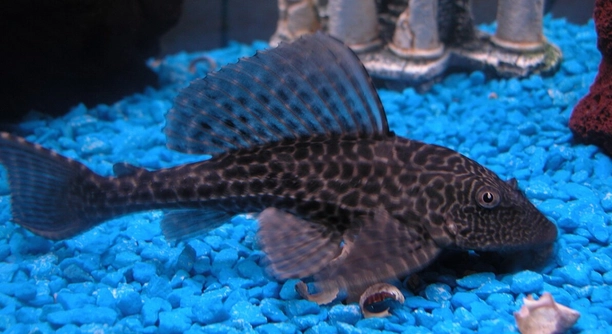
Plecos are popular aquarium fish known for their unique appearance and algae-eating habits. As pet owners, it’s common to observe their behavior around different objects in their tank, especially when it comes to mirrors and reflections.
Plecos do not generally react strongly to mirrors or reflections. While they may briefly investigate their reflection, their behavior typically remains calm, as they do not perceive it as a threat or a companion.
Understanding their responses to mirrors and reflections can help enhance your aquarium setup. In this article, we’ll explore how plecos interact with reflective surfaces and what it means for their well-being.
Why Do Plecos Look at Mirrors?
Plecos are naturally curious creatures, and like many fish, they explore their environment by looking around and checking out new objects. When a mirror is placed in the aquarium, it can catch their attention. Since plecos don’t recognize their own reflection, they might swim up to it, seemingly interested. This behavior can be brief, as they are usually just observing the reflection out of curiosity. Unlike some species that may display territorial or aggressive behavior towards their reflections, plecos remain mostly indifferent. However, over time, they may lose interest and move on to other areas of the tank.
Plecos may not always engage with mirrors in a way that seems emotional. Their interest often fades as they realize the reflection does not respond.
This behavior is quite normal and harmless. Fish, including plecos, rely heavily on their senses to understand their surroundings. Mirrors simply confuse them temporarily, offering no real interaction with the image. If you notice your pleco checking itself out, it’s most likely just curiosity, not a behavioral issue. They might even move away after a short while, resuming their usual activities.
Is It Harmful to Place Mirrors in a Pleco’s Tank?
While a mirror is unlikely to hurt your pleco physically, it can cause some stress if used too frequently.
Placing mirrors in the tank occasionally is harmless, but leaving them for extended periods can lead to confusion. Plecos are used to a certain environment and may become stressed if they see a constant “other fish” in the reflection, even though it’s not real. Stress from constant exposure can impact their health, affecting their eating habits and overall behavior. It’s essential to observe your pleco to ensure it isn’t spending too much time near the mirror or showing signs of distress. In moderation, a mirror will not negatively impact their well-being, but it’s best not to make it a permanent feature in their environment.
Can a Mirror Affect the Pleco’s Behavior?
Although mirrors can catch a pleco’s attention, they typically don’t cause lasting changes in behavior. However, if a pleco spends too much time near a mirror, it might show signs of stress, like swimming in circles or excessive hiding.
Plecos are peaceful creatures that generally enjoy a calm environment. When exposed to reflections, especially if they mistake it for another pleco, they may feel more territorial or confused. Though they won’t likely act aggressively, it’s still important to monitor their reaction. If they continue to interact with the reflection for too long, it could affect their usual activities, such as foraging or resting.
Mirrors can cause temporary changes in behavior as the pleco tries to interact with or explore the reflection. However, as they quickly realize it’s not another fish, they usually move on. In most cases, it doesn’t cause lasting harm. Just be mindful not to leave mirrors in the tank for long periods.
How Long Should Mirrors Stay in a Pleco’s Tank?
A few minutes to an hour is enough time for a pleco to explore the reflection without causing stress.
If you want to observe your pleco’s behavior around a mirror, it’s best to limit exposure. Place the mirror in the tank for a short time, then remove it once the pleco loses interest. Overexposure to mirrors can stress your pleco, especially if it feels confused or threatened.
As plecos are generally peaceful, they do not need to have mirrors in their environment regularly. Using a mirror occasionally for a brief interaction can help satisfy their curiosity, but they do not rely on it for stimulation. By keeping the mirror-time short, you help avoid unnecessary stress or confusion for your fish.
Can Plecos Recognize Their Reflection?
Plecos do not recognize their reflection as themselves or another fish. They often see it as something new to explore or investigate.
Since plecos lack the cognitive ability to recognize reflections, they typically respond with curiosity. They may approach the mirror, but their interest is usually brief. Once they realize it’s just a reflection, they tend to move on.
Though they might appear to interact with their reflection, plecos aren’t forming emotional connections or territorial behavior based on it. Their response is mostly instinctual and based on curiosity rather than recognition.
Does the Pleco’s Size Affect Its Reaction to Mirrors?
The size of a pleco doesn’t significantly change how it reacts to mirrors.
Both large and small plecos show similar levels of interest when they encounter a mirror. However, larger plecos may seem more dominant or assertive around their reflection, simply because of their size. Still, this doesn’t indicate any real territorial behavior.
Smaller plecos may appear less interested or might quickly ignore their reflection after a brief investigation. Regardless of size, their behavior usually returns to normal after the initial encounter. The primary factor in their response is the curiosity they feel, not their size.
Should You Use Mirrors for Pleco Enrichment?
Mirrors are not necessary for plecos to thrive or feel enriched in their tank.
Plecos are low-maintenance fish that enjoy simple, natural environments. They don’t need mirrors for mental stimulation or entertainment. Adding other environmental features like plants, rocks, or caves can provide them with more opportunities for exploration and hiding. These features create a more appropriate and comfortable setting.
Mirrors might provide a temporary distraction, but they don’t offer lasting enrichment. Providing natural tank features encourages plecos to exhibit natural behaviors, keeping them healthier and happier.
FAQ
Do plecos like mirrors?
Plecos do not have a strong preference for mirrors. They may show brief curiosity, swimming near the reflection, but this is not an indication of any particular liking. They often view the mirror as just another object in their environment. Their interest typically fades quickly once they realize it’s not a real fish.
Is it harmful for plecos to see their reflection?
In most cases, seeing their reflection isn’t harmful to plecos, but if the exposure lasts too long, it could lead to stress. Prolonged time spent near the mirror may cause confusion, as plecos cannot distinguish the reflection from another fish. This can make them feel territorial or anxious, especially if they become fixated on the reflection.
Can mirrors cause plecos to become aggressive?
Mirrors rarely cause plecos to become aggressive, but if they mistake the reflection for another pleco, they might act defensively. This is more common in species of fish that are more territorial, but even so, plecos tend to stay calm. They will usually move away from the mirror once they realize it’s not another fish.
How often can I put a mirror in my pleco’s tank?
It’s best not to place a mirror in your pleco’s tank too frequently. Occasional exposure, for a few minutes, is perfectly fine. Continuous or frequent exposure can lead to stress, as plecos may become confused by the reflection. Using a mirror every once in a while as a temporary distraction won’t harm them, but it shouldn’t be a regular part of their tank environment.
Do plecos need mirrors for mental stimulation?
No, plecos don’t need mirrors for mental stimulation. They are generally calm fish that are content with a simple tank environment. Plecos thrive with adequate hiding spaces, plants, and natural decorations that allow them to explore and rest. Mirrors are not a necessary feature for their well-being.
Will a pleco be stressed by seeing itself in a mirror?
If a pleco is exposed to a mirror for a long time, it could become stressed. This happens because the reflection can confuse the pleco, making it think there is another pleco in its space. However, this stress is usually short-lived, as plecos generally lose interest quickly once they realize it’s just a reflection.
Should I remove the mirror if my pleco seems stressed?
Yes, if you notice signs of stress in your pleco, such as constant swimming in circles, hiding, or attempting to interact with the reflection for long periods, it’s a good idea to remove the mirror. Removing it will help reduce any confusion or anxiety the pleco might be experiencing.
Do plecos recognize their own reflection?
Plecos do not have the ability to recognize their own reflection. Their response to mirrors is driven by curiosity, but they do not have the cognitive ability to understand that the reflection is themselves. They may investigate it briefly but quickly lose interest when they realize there’s no interaction or real fish involved.
Can mirrors help plecos bond with other fish?
Mirrors are not a suitable tool for helping plecos bond with other fish. Plecos are solitary creatures that do not form close social bonds like some other species. A mirror might confuse your pleco or lead it to act territorial, but it will not encourage bonding with other fish in the tank.
What are the best ways to enrich my pleco’s environment?
The best ways to enrich a pleco’s environment are by adding hiding spots, caves, and live plants. Plecos enjoy exploring, so creating an environment where they can forage and hide will keep them happy. Adding driftwood is another good option, as plecos also enjoy rasping on it to help wear down their teeth. These types of natural decorations are more beneficial for their well-being than mirrors.
Can mirrors affect plecos’ feeding habits?
Mirrors might not directly affect plecos’ feeding habits, but if the pleco is stressed by its reflection, it could become distracted and eat less. Stress from the reflection can lead to a loss of appetite or reluctance to explore the tank for food. If your pleco is having trouble eating, try removing the mirror and observe any changes in behavior.
How long should I leave a mirror in the tank for my pleco?
It’s best to limit mirror exposure to 5-10 minutes at a time. Leaving it in for too long can cause unnecessary stress, especially if the pleco becomes fixated on the reflection. By keeping the time short, your pleco’s curiosity can be satisfied without the risk of stressing it out.
Can plecos damage the tank or decorations by interacting with a mirror?
It’s unlikely that plecos will damage the tank or decorations by interacting with a mirror, as they are typically peaceful. However, if a pleco becomes stressed and starts swimming frantically, it could accidentally bump into or damage fragile decorations. It’s important to keep an eye on their behavior to prevent any accidental damage.
Should I worry about my pleco interacting with the mirror for long periods?
Yes, if your pleco is spending an extended amount of time near the mirror, it might indicate some level of stress or confusion. If you notice this happening, it’s a good idea to remove the mirror and observe your pleco’s behavior. This will help prevent any prolonged stress that could affect their health.
Final Thoughts
In general, plecos are not greatly affected by mirrors. They may show initial curiosity when they first encounter their reflection but quickly lose interest once they realize it’s not another fish. Their behavior around mirrors is usually brief, and they do not develop long-term habits related to reflections. Plecos are relatively calm fish, and their interactions with mirrors are not likely to cause harm, as long as exposure is limited.
However, it’s important to keep in mind that prolonged exposure to a mirror could lead to confusion or stress. Plecos are territorial creatures by nature, and if they spend too much time focused on their reflection, they might feel threatened. This could make them more anxious or withdrawn, which might affect their feeding and overall behavior. If you notice signs of stress, such as swimming in circles or excessive hiding, it’s best to remove the mirror and give them some time to return to their normal routine.
Ultimately, mirrors can provide a temporary distraction or source of curiosity for plecos, but they are not necessary for their well-being. Plecos thrive in environments where they have space to explore, hiding spots to retreat to, and a balanced tank setup. Focus on creating a natural habitat with plants, rocks, and driftwood to provide the most enrichment for your pleco. Mirrors should only be used occasionally and for short periods, ensuring your pleco’s tank remains a stress-free environment.

Hello,
If you enjoy the content that we create, please consider saying a "Thank You!" by leaving a tip.
Every little bit helps us continue crafting quality advice that supports the health, happiness, and well-being of pets around the world, for pets of all shapes, sizes, and species.
We really appreciate the kindness and support that you show us!