
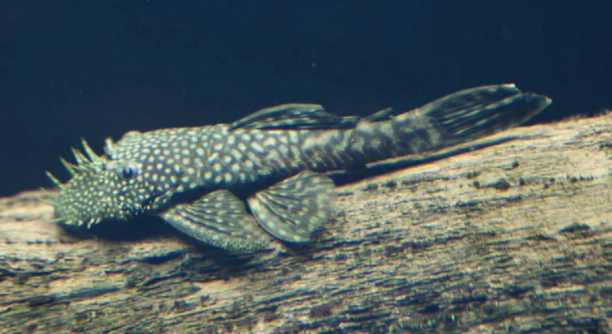
Have you ever watched your pleco swimming around and wondered if bubbles in the tank make a difference to its comfort?
Plecos generally do not seek out bubbles, but they benefit from the oxygenation that bubbles provide. While they prefer calm areas, having a bubbler or air stone can support better water circulation and oxygen levels in the aquarium.
Learning how bubbles affect your pleco’s environment can help you create a healthier and more comfortable tank setup.
Why Oxygen Matters for Plecos
Plecos are bottom-dwelling fish that typically stay near the substrate, where oxygen levels can drop more quickly. While they have a specialized ability to gulp air from the surface, they still depend on proper oxygenation in the tank. Bubbles created by air stones or filters help improve water movement and increase oxygen exchange, which supports a healthier environment. This becomes especially important in warmer tanks, where oxygen levels tend to drop. Even if your pleco doesn’t swim through the bubbles, the improved oxygenation helps its overall comfort and health. A bubbler or sponge filter won’t disturb them, as long as the flow isn’t too strong. Plecos prefer calm water but do benefit from subtle circulation. Bubbles won’t directly entertain them, but the indirect effects make a difference. When planning your setup, aim to balance still resting zones with areas that promote gentle movement, keeping all fish in the tank comfortable.
Bubbles don’t entertain plecos, but they help with oxygen levels. A well-placed bubbler can keep the tank healthier and more stable.
If you notice your pleco gasping or staying near the surface, bubbles might help. It’s an easy way to support oxygen levels without much effort.
Where to Place the Bubbler
Place your bubbler away from strong currents. Plecos enjoy quiet spaces and hiding spots, so avoid putting bubbles near their favorite resting areas.
A good setup includes a bubbler near the middle or back of the tank, where it doesn’t disturb the pleco’s shelter. Try using a small sponge filter or air stone to maintain a gentle flow. Avoid placing it too close to decor your pleco likes to rest under—this helps them feel secure. The goal is to improve circulation without disrupting their calm zones. If the tank is shared with other active fish, bubbles can also support a balanced oxygen level for everyone. In tanks with heavy plant life, especially at night, extra aeration ensures stable oxygen. You don’t need strong bubbles, just steady, quiet flow. Pay attention to how your pleco behaves. If it avoids certain areas, adjust the placement. A calm tank helps reduce stress and supports long-term health.
How Bubbles Affect Other Tank Conditions
Bubbles do more than just add oxygen—they also help keep the water moving, which prevents waste from settling. This supports better filtration and helps reduce the buildup of harmful substances like ammonia and nitrites that can stress out your pleco.
When bubbles improve water circulation, it helps distribute heat and nutrients more evenly. This creates a stable environment where all fish and plants can thrive. Still water zones can develop poor quality if there’s not enough movement. While plecos prefer low-flow areas, they still benefit from the cleaner, more balanced tank that bubbles support. Just be sure the flow isn’t too strong, especially in small tanks. A quiet sponge filter or a low-powered air stone often works well. It’s all about gentle motion—not blasting the tank with bubbles, but giving it enough support to stay healthy and fresh.
If you notice uneaten food or debris gathering in corners, bubbles may help keep things cleaner. This reduces the chance of waste affecting the water quality over time. Cleaner water means a more stable pH, fewer algae blooms, and a healthier space for your pleco to relax. Even if they ignore the bubbles, they still benefit from them indirectly.
Signs Your Pleco Is Comfortable
A relaxed pleco will rest often but still show signs of steady movement, especially at night. You might see it grazing on surfaces or hanging out under driftwood without looking stressed. Calm breathing is another good sign.
If your pleco avoids certain areas, seems restless, or keeps surfacing, the tank may not be ideal. Strong water flow, low oxygen, or poor water quality could be part of the issue. Adding a bubbler may help, but make sure it doesn’t create turbulence in their resting spots. Watch their breathing—if they seem to breathe faster than normal or gasp near the surface, they may need better oxygenation. Also, monitor their color and behavior. A healthy pleco has even coloring, smooth swimming, and spends time foraging. Changes in behavior can hint that the environment needs adjusting. Try small changes first, and give your pleco time to settle into its space.
Choosing the Right Type of Bubbler
A sponge filter with an air stone is often a good choice. It adds bubbles gently without making the tank too noisy or active. This setup also gives extra filtration, which keeps the water cleaner for longer.
Avoid bubble wands or high-output bubblers if your tank is small. Too many bubbles can create movement that plecos don’t enjoy. Go with something quiet and easy to control so your pleco feels relaxed in its space.
When to Add a Bubbler to the Tank
Add a bubbler if your tank feels stuffy or if the water seems too still, especially in warmer setups or tanks with few plants. Watch for signs like your pleco breathing quickly or staying close to the surface. If these signs appear, extra oxygenation can help. A bubbler is also useful in tanks with high bioloads or shared with active fish. It keeps oxygen flowing evenly without much effort. Just make sure to test your water regularly and adjust the setup if needed. A simple bubbler can make a big difference in tank stability.
Keeping the Flow Comfortable
Keep the bubbler in a spot where the flow stays gentle. Your pleco will feel more at ease if there’s still water near its hiding places.
FAQ
Do plecos like bubbles in their tank?
Plecos don’t interact with bubbles the way some fish do, but they benefit from what bubbles provide—mainly oxygen and water movement. They prefer calm spaces, so a soft stream of bubbles is fine, but avoid anything too strong or fast. As long as there’s enough oxygen and no harsh flow, plecos will do well. Bubbles can support a healthier environment, especially in tanks with limited surface agitation or high temperatures. It’s less about them liking the bubbles and more about how the bubbles help the tank conditions stay stable and safe.
Can too many bubbles stress out a pleco?
Yes, strong bubbling or water currents can make plecos uncomfortable. They like to rest under driftwood or along the bottom of the tank, and too much disturbance from bubbles or filters can make it hard for them to settle. Watch for signs like rapid swimming or hiding constantly. If the tank seems too active or loud, try adjusting the air flow or switching to a quieter air stone. Plecos prefer low-light, quiet spaces, so keeping things calm will make them feel more at home.
What kind of bubbler is best for a pleco tank?
A sponge filter with a gentle air stone is one of the best choices. It keeps the water oxygenated and helps with filtration, all without causing strong movement. Avoid bubble curtains or high-pressure bubblers unless you have a large tank with good current control. The goal is to add oxygen without making the tank chaotic. Always check how your pleco reacts—if they’re avoiding the area near the bubbler, try moving it or reducing the flow. A low, steady stream of bubbles works best.
Do plecos need a bubbler if I have live plants?
If your tank has enough live plants and good water surface movement, you might not need a bubbler. Plants help oxygenate the water during the day, especially fast-growing ones. However, at night plants use oxygen too, which can cause levels to drop. In that case, adding a bubbler helps keep things balanced. In warm tanks, oxygen levels naturally go down, so even with plants, a bubbler can help prevent dips. It’s all about what your setup needs—test the water, observe your fish, and adjust as needed.
Can plecos get air from the surface?
Some species of plecos, like the common pleco, can gulp air from the surface when oxygen levels are too low. But this behavior means something is off in the tank. Regular surfacing isn’t ideal—it usually signals poor oxygenation. A bubbler or better water movement can fix this. If your pleco is going to the top often, check your water parameters and consider adding gentle aeration. It’s better to prevent this behavior by keeping the tank conditions steady and supportive from the start.
How do I know if the bubbles are too much?
If your pleco seems to be avoiding areas with bubbles, stays hidden all the time, or shows fast breathing, those can be signs the bubbles are too strong. Also, if your plants sway aggressively or food moves quickly in the water, the flow might be too high. Adjust the air valve or switch to a smaller air stone to reduce the intensity. It should be enough to move the water gently without overwhelming your fish. A calm, balanced tank is key to keeping plecos healthy.
Should I run the bubbler all day?
Yes, running a bubbler all day is usually safe and helpful. It keeps the water oxygenated, especially at night when oxygen levels can drop. Just make sure it’s not too loud or disruptive. If your tank has stable oxygen levels and your pleco is calm, you can also use a timer to reduce the noise at night. But in most cases, constant, gentle bubbles are more beneficial than harmful. Just avoid sudden changes—consistency helps your pleco feel secure.
Final Thoughts
Keeping plecos healthy and comfortable means paying attention to the small things in their tank. While they might not actively play with bubbles, they still benefit from the effects that bubbles create. The extra oxygen and water movement that come from a gentle bubbler can make a big difference, especially in warm or crowded tanks. It’s not about the bubbles themselves—it’s about making sure the tank stays balanced and supports your pleco’s needs. A calm environment with steady water conditions, enough hiding spots, and the right oxygen levels will help them thrive.
Every tank setup is different, and what works for one pleco might not work for another. That’s why it’s important to watch how your pleco reacts to changes. If bubbles seem to bother them, adjust the strength or placement. If your pleco is more active and looks healthier with added aeration, then the setup is probably working well. Using a sponge filter with a soft bubbler is often a safe and helpful option. It improves oxygen without adding stress, and it can keep the water cleaner too. Small steps like this can lead to better results over time.
In the end, caring for plecos is about creating a steady, low-stress space. They don’t need bright lights or lots of movement. Instead, they do best in quiet areas with smooth flow, clean water, and a place to rest. Bubbles can support that if they’re used the right way. So, while plecos might not “like” bubbles in the playful sense, they can definitely benefit from what bubbles add to their tank. Keeping things simple, calm, and consistent will help your pleco stay healthy and active for years to come.

Hello,
If you enjoy the content that we create, please consider saying a "Thank You!" by leaving a tip.
Every little bit helps us continue crafting quality advice that supports the health, happiness, and well-being of pets around the world, for pets of all shapes, sizes, and species.
We really appreciate the kindness and support that you show us!