
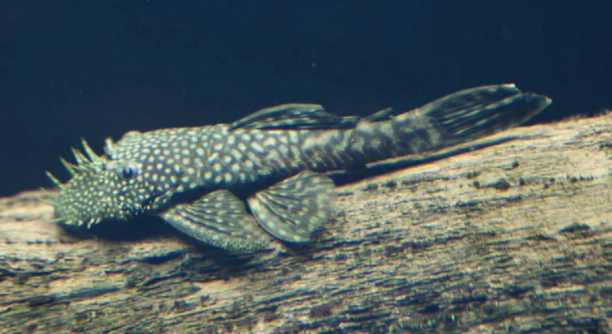
When setting up a community tank, it’s essential to choose compatible species. Plecos and Corydoras are both popular choices, but how do they interact with each other in the same aquarium environment?
Plecos generally get along well with Corydoras due to their peaceful nature. Both species occupy different parts of the tank and have similar care requirements, making them suitable companions. However, it’s essential to monitor their behavior to ensure harmony.
Understanding their compatibility will help you create a more balanced aquarium. Managing tank dynamics is crucial for the well-being of both species.
Compatibility Between Plecos and Corydoras
When choosing tank mates, it’s crucial to consider the behavior of both species. Plecos and Corydoras are peaceful fish, generally not prone to aggression. Corydoras are bottom-dwellers, spending their time near the substrate, while Plecos usually occupy mid to lower regions of the tank. This means they rarely compete for space. Both species are also scavengers, feeding on leftover food, which reduces the chance of territorial disputes. However, if the tank is overcrowded, both species could become stressed, which might lead to minor skirmishes.
Despite their peaceful nature, the size difference can sometimes be a concern. Plecos are larger than Corydoras, and although they are not aggressive, their sheer size could inadvertently intimidate the smaller Corydoras. It’s essential to ensure that your tank has enough hiding spots for the smaller species, allowing them to retreat if necessary.
Plecos and Corydoras can coexist peacefully when the environment supports their individual needs. A spacious tank with plenty of hiding places, combined with a stable water temperature and clean water, helps maintain balance. Regular water changes are also important to avoid stress. Corydoras, being small, may sometimes get overlooked when Plecos swim around, but as long as there’s enough room, they can live harmoniously. Make sure to provide adequate filtration to prevent any issues related to waste buildup.
Water Conditions for Both Species
Plecos and Corydoras thrive in similar water conditions. They both prefer water that is slightly acidic to neutral, with a temperature range between 74°F and 80°F.
Proper water maintenance ensures a peaceful coexistence for both species. Frequent water changes help prevent the build-up of harmful chemicals and promote a healthy environment for all tank inhabitants.
Tank Size and Space Considerations
A larger tank is always better for these two species. Plecos, especially as they grow, require ample space to swim and find food. Corydoras, being smaller, also need room to explore. A tank size of at least 30 gallons is recommended to comfortably house both species.
If the tank is too small, Plecos may feel cramped, leading to stress. Corydoras, though more adaptable, can also experience stress in an overcrowded environment. Space allows for more hiding spots and places to explore, ensuring both species can maintain their territory without conflict. This reduces potential stress and keeps the tank peaceful.
An overcrowded tank leads to poor water quality, affecting the health of both species. For the best results, aim for at least 30 gallons to allow for proper filtration, a stable environment, and minimal competition for space. The more room you provide, the easier it is to maintain a healthy and peaceful tank setup.
Diet and Feeding Behavior
Plecos and Corydoras have different feeding habits, but they can share the same food sources. Plecos are primarily herbivores and graze on algae, sinking pellets, and other plant matter. Corydoras are omnivores, eating a mix of plant matter and small invertebrates.
While they can coexist during feeding time, monitoring the food distribution is necessary. Plecos might outcompete Corydoras for food, especially if they are larger and more aggressive in feeding. Ensuring that food reaches the bottom of the tank gives Corydoras a chance to eat. You can use sinking pellets or wafers to cater to both species.
To avoid competition, feeding them at separate times is often a good strategy. Plecos generally feed at night, while Corydoras are more active during the day. By staggering feeding times, you can ensure that both species are getting the nutrition they need without interference.
Behavior and Social Interaction
Both Plecos and Corydoras are generally peaceful fish, but they have different social behaviors. Corydoras are more social and thrive in groups, while Plecos are typically solitary. This difference does not cause significant issues as long as they have enough space.
Corydoras feel more secure when kept in groups, which helps reduce stress. Plecos are less social, usually only interacting with other Plecos or their environment. However, as long as there’s enough space, neither species is likely to become territorial or aggressive toward each other. They usually coexist peacefully.
Maintenance and Care
Plecos and Corydoras have relatively similar care needs, but attention to detail is important. Regular water changes, proper filtration, and monitoring water quality are essential to keep both species healthy.
These fish require a well-maintained environment to thrive. Overcrowding or poor water conditions can cause stress, leading to health issues. Ensure the tank is clean, with consistent water parameters.
FAQ
Do Plecos eat Corydoras?
No, Plecos do not typically eat Corydoras. Plecos are herbivores and usually feed on algae, plant matter, and sinking pellets. Corydoras are much smaller and are not part of the Pleco’s diet. However, in some cases, a very large Pleco might inadvertently harm smaller fish by disturbing their space or outcompeting them for food. Ensuring both species are well-fed and have enough space will minimize any risks.
Can Corydoras and Plecos live together?
Yes, Corydoras and Plecos can live together, as long as the tank is large enough and the water conditions are suitable for both species. Corydoras are social fish that thrive in groups, while Plecos are more solitary. They occupy different areas of the tank, with Corydoras staying near the bottom and Plecos often swimming in the middle or lower regions. With ample space and hiding spots, both species can coexist peacefully without conflict.
What size tank do Plecos and Corydoras need?
A 30-gallon tank is the minimum recommended size for both species. This size provides enough space for Plecos, which can grow quite large, and gives Corydoras room to move around and form groups. A larger tank will also make it easier to maintain water quality and reduce the risk of overcrowding. More space means more hiding spots and less competition for resources.
Do Plecos need to be in a group like Corydoras?
No, Plecos do not need to be kept in groups. They are solitary fish and are usually comfortable living alone. While Corydoras are social and thrive in groups of at least three or more, Plecos prefer their own space. A single Pleco can be perfectly content in a tank as long as it has enough room to move and feed.
Are Plecos aggressive towards other fish?
In general, Plecos are not aggressive fish. They are peaceful and often stay to themselves. However, larger Plecos can sometimes intimidate smaller tank mates simply due to their size. They may also become more territorial when they feel crowded. It’s important to provide enough hiding spaces for all species in the tank, especially if you have multiple Plecos or other larger fish.
How do you feed Plecos and Corydoras together?
Both Plecos and Corydoras can eat similar types of food, such as sinking pellets, wafers, and algae. However, it’s important to ensure both species get enough to eat, especially the Corydoras, which are smaller and might be overshadowed during feeding time. Consider feeding them at different times to give both species a fair chance at getting their share of food. Plecos tend to feed at night, while Corydoras are more active during the day.
What should I feed Corydoras and Plecos?
Corydoras and Plecos both benefit from a varied diet. Plecos primarily eat algae and plant-based food, while Corydoras eat a combination of plant matter and small invertebrates. Offer sinking pellets, algae wafers, and vegetables like zucchini or cucumber. It’s also beneficial to provide some protein-rich foods like bloodworms for Corydoras. A varied diet ensures both species get the necessary nutrients for healthy growth and development.
Can Plecos live with smaller fish like neon tetras or guppies?
Yes, Plecos can live with smaller fish like neon tetras or guppies as long as the tank is large enough and there is enough space for everyone. Plecos are not aggressive towards smaller fish, but they can become more territorial as they grow. It’s important to ensure that the smaller fish are not stressed or overcrowded, as this can affect their health. Providing hiding spots and ensuring proper filtration will help all fish in the tank live harmoniously.
How can I tell if my Corydoras are stressed?
Corydoras can show signs of stress if they are not happy with their environment. Some signs include erratic swimming, staying at the surface of the water, or hiding more than usual. If the water quality is poor, they might breathe rapidly or appear sluggish. Ensuring a clean, stable tank with appropriate water conditions can prevent these signs of stress. Also, Corydoras are social fish, so make sure they are not isolated.
Do Plecos require a lot of care?
While Plecos are not overly demanding, they do require some care. They need a well-maintained tank with stable water conditions, plenty of hiding spots, and a varied diet. Plecos also grow quite large, so it’s essential to have a tank large enough to accommodate their size. Regular water changes and proper filtration are necessary to keep them healthy. While not as high-maintenance as some species, Plecos still need consistent care to thrive.
Do Corydoras need a filter in the tank?
Yes, Corydoras require a filter to maintain good water quality. These fish are very sensitive to poor water conditions, and a filter helps keep the water clean by removing waste, excess food, and debris. A filter is especially important in a tank with multiple fish, as it helps prevent toxins from building up and ensures a stable environment for the fish. Make sure the filter is suitable for the tank size and does not produce too strong of a current, as Corydoras prefer gentle water movement.
What is the lifespan of Plecos and Corydoras?
Plecos can live for 10 to 15 years, depending on the species and care they receive. Some species, like the common Pleco, can grow quite large and may live even longer. Corydoras typically have a lifespan of 5 to 10 years, although with proper care, they can live longer. Providing optimal water conditions, a balanced diet, and minimal stress will help both species reach their full potential lifespan.
How can I reduce aggression in my Plecos and Corydoras?
To reduce aggression, it’s essential to maintain a peaceful environment. This includes providing enough space, hiding spots, and keeping the water conditions stable. Plecos are usually peaceful, but overcrowding or lack of space can lead to territorial disputes. Corydoras, being social fish, are less likely to be aggressive but may feel stressed if kept alone or in a small tank. Regular water changes and monitoring behavior can also help ensure a calm and stress-free environment.
Final Thoughts
When keeping Plecos and Corydoras together, it’s important to consider their different needs and behaviors. While both species can live in the same tank peacefully, they require different types of care. Plecos are solitary fish that typically keep to themselves, while Corydoras are social and prefer to be in groups. Understanding these traits is key to providing a harmonious environment. With the right setup, both species can thrive together.
The size of the tank plays a crucial role in ensuring both species are comfortable. A minimum of 30 gallons is recommended to give both Plecos and Corydoras enough space to swim and establish their territory. Providing hiding spots, plants, and other decorations will help both species feel secure. Regular water changes and proper filtration are essential for maintaining water quality, as both species are sensitive to poor water conditions. Keeping these factors in mind will help prevent stress and ensure the health of your fish.
In conclusion, Plecos and Corydoras can live together as long as their individual care requirements are met. By maintaining good water conditions, offering a varied diet, and ensuring ample space, both species can coexist without issue. Pay attention to the size of the tank, the social needs of the fish, and their feeding habits, and your aquarium will become a peaceful and thriving environment for these two species.

Hello,
If you enjoy the content that we create, please consider saying a "Thank You!" by leaving a tip.
Every little bit helps us continue crafting quality advice that supports the health, happiness, and well-being of pets around the world, for pets of all shapes, sizes, and species.
We really appreciate the kindness and support that you show us!