
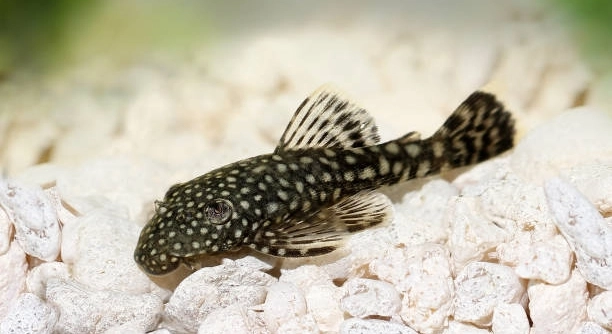
Plecos are fascinating fish, often admired for their unique behaviors and peaceful nature. One intriguing aspect many aquarium enthusiasts wonder about is whether plecos sleep on their backs, a behavior seen in other fish species.
Plecos typically do not sleep on their backs. They rest on surfaces such as rocks, glass, or aquarium decor, often wedging themselves in tight spots to feel secure. This behavior is linked to their natural habits in the wild.
Understanding pleco behavior can help provide the best environment for them, ensuring their well-being in your aquarium.
Pleco Sleeping Habits
Plecos are nocturnal fish, primarily active during the night. During the day, they prefer resting in caves or among aquarium decor. It’s common for them to appear inactive, resting against the tank’s surfaces. While they do need rest, their positions can vary, but sleeping on their backs is rare. Unlike other fish species that may flip onto their backs when resting, plecos tend to stay grounded. Their behavior may include suctioning to surfaces or hiding in the dark corners of the tank.
These resting behaviors are natural. Plecos seek secure spots, often wedging themselves into crevices, ensuring they feel safe from potential threats. They are not bottom dwellers like other fish that might be seen floating or upside down. This preference for resting in protected locations makes them feel comfortable. Though they may appear still, their rest time allows them to conserve energy.
Their need for shelter during rest also influences their tank placement. Providing plecos with hiding spots ensures they feel secure and comfortable. Without such spaces, plecos may feel stressed, affecting their overall health and well-being.
How to Ensure Proper Sleep for Your Pleco
Plecos thrive in environments where they feel safe and undisturbed. When designing your aquarium, be sure to include caves, plants, or rocks that allow them to hide when they need rest.
Creating the ideal environment for your pleco involves ensuring a well-structured tank. Providing spaces that mimic their natural habitats gives them a sense of security. They are not the type of fish that enjoys open spaces during the day, preferring to hide in dark spots. This also reduces stress levels, keeping them active and healthy. It’s important to avoid overstocking the tank or adding overly aggressive tankmates. Plecos need peace to thrive, and the right tank design makes all the difference in their well-being.
Pleco Tankmates and Sleep
Plecos are peaceful fish, but their sleep patterns can be affected by aggressive tankmates. They need a calm environment to feel safe enough to rest. When housed with more active or aggressive fish, plecos may become stressed, disrupting their usual rest.
If your pleco is sharing a tank with more energetic species, it’s essential to monitor their interactions. Fish that constantly swim around or chase the pleco could disturb its resting time. A stressed pleco may also be less likely to explore and could refuse food. To maintain a healthy tank environment, ensure that your pleco has enough space to retreat and rest without disturbance.
Providing an environment with compatible tankmates is key to supporting your pleco’s health. Peaceful fish like tetras or peaceful community fish are good choices. With the right companions, your pleco can rest comfortably without fear, promoting its overall well-being. Keep an eye on interactions, and make adjustments as needed to ensure a stress-free environment.
Water Conditions and Their Effect on Sleep
Water conditions significantly influence plecos’ resting habits. Poor water quality can lead to stress, making it harder for your pleco to find a comfortable resting spot. Plecos are sensitive to changes in pH, temperature, and cleanliness.
To keep your pleco comfortable, make sure the water is regularly tested and kept within the ideal range. A stable temperature between 72-78°F (22-26°C) works best. Frequent water changes help maintain cleanliness, preventing the buildup of harmful substances. Plecos are bottom dwellers, so they often rest in areas where the water quality can quickly deteriorate if not properly maintained. Clean, well-oxygenated water gives them a more restful environment, contributing to their overall health. By keeping the water pristine, you help ensure they feel safe, reducing the risk of stress-related sleep disruptions.
Pleco Sleeping Position Variations
Although plecos usually rest against surfaces, their sleeping positions can vary depending on their environment. They may be seen resting on the tank’s glass, rocks, or decor. These positions change depending on how safe and secure they feel.
Plecos will adjust their positions to suit their comfort levels. They often seek corners or crevices to wedge themselves into, providing a feeling of security. If they feel threatened or disturbed, they may shift to another hiding spot. Their ability to adapt to different positions helps them remain undisturbed and rested.
Plecos and Their Resting Time
Plecos need plenty of time to rest, but this doesn’t mean they’re inactive all day. They tend to rest during the day and become more active at night. Providing a quiet and peaceful space ensures they get the rest they need for a balanced routine.
Plecos are nocturnal by nature, so they typically sleep during the day and become active at night when the tank is quieter. This behavior helps them conserve energy for when they need it most. Their nighttime activity usually involves grazing and swimming around. Ensuring your pleco has an undisturbed environment will help them stick to this natural rhythm, keeping them active and healthy during their waking hours.
Pleco Health and Sleep
Sleep quality directly impacts pleco health. A stressed pleco, whether from poor water quality or aggressive tankmates, may not sleep as effectively, leading to long-term health problems. Ensuring proper rest is essential for their well-being.
FAQ
Do plecos sleep upside down?
No, plecos typically do not sleep upside down. Unlike some fish that may flip onto their backs, plecos tend to rest on surfaces like rocks, tank walls, or decor. They may rest in crevices or against objects for security, but they do not usually sleep on their backs.
Why is my pleco sleeping so much?
If your pleco is sleeping more than usual, it could be due to several factors. Plecos are nocturnal creatures, meaning they rest during the day and are more active at night. However, excessive sleep could indicate stress, poor water conditions, or illness. Make sure the tank environment is clean and suitable for your pleco’s needs.
How long do plecos sleep?
Plecos sleep during the day, typically for 12-14 hours, and become more active at night. Their sleep time is often influenced by the level of light in the aquarium. A pleco’s natural cycle follows the day and night patterns of their habitat.
Can plecos sleep with the light on?
Plecos can sleep with the light on, but they may rest more deeply when the aquarium is dark. They are nocturnal creatures and tend to feel safer and more secure when the light is off. If you want your pleco to rest well, consider dimming the lights or providing shaded areas in the tank.
Why does my pleco swim to the surface at night?
It is normal for plecos to swim to the surface at night, especially if they are looking for food. As bottom dwellers, plecos may swim upwards to explore their environment or to consume leftover food. If the behavior seems excessive or is linked to stress, check the water conditions.
Can plecos sleep in a cave?
Yes, plecos often sleep in caves or other secluded areas where they feel safe. These hiding spots are important for their well-being, as they mimic their natural habitat. Providing caves or similar structures in the tank ensures they have a secure place to rest undisturbed.
How do I know if my pleco is stressed?
Signs of stress in plecos can include erratic swimming, hiding more than usual, or refusing food. If your pleco is constantly hiding or not resting properly, the cause could be poor water conditions, aggressive tankmates, or inadequate tank space. Make sure the tank is clean, with proper water temperature and pH.
Do plecos need a hiding spot to sleep?
Yes, plecos prefer having a hiding spot to sleep in. They feel more secure when they have a place to wedge themselves in, like a cave, rock, or plants. This reduces stress and allows them to rest properly, mimicking their natural behavior.
What should I do if my pleco is not sleeping properly?
If your pleco is not sleeping properly, it could be due to stress or poor water conditions. First, check the water quality, ensuring that it is clean and within the right temperature range. Additionally, remove any aggressive tankmates that might be disturbing its rest. Providing a more secure and peaceful environment will help your pleco rest better.
Can plecos sleep with other fish?
Yes, plecos can sleep alongside other peaceful fish. However, they should be kept in a tank with compatible tankmates that will not disturb their resting time. Aggressive fish may stress out your pleco, affecting its sleep patterns. Ensuring that your pleco feels secure in the tank is essential.
Is it normal for my pleco to be inactive during the day?
Yes, it is normal for plecos to be inactive during the day. Being nocturnal creatures, plecos naturally rest and sleep in the daytime. If your pleco appears inactive, it is likely just following its natural circadian rhythm. However, if the inactivity extends beyond normal resting periods, you should check the water quality and tank conditions.
Can plecos sleep in the substrate?
Plecos may sleep near or in the substrate, especially if the tank has an area where they can wedge themselves. However, they tend to prefer resting on solid surfaces like rocks, tank walls, or in caves. A comfortable hiding place in the substrate could be beneficial, but plecos will mostly seek out safer, more secure locations.
Why does my pleco swim upside down?
Plecos swimming upside down is not typical behavior. If you notice your pleco frequently swimming upside down, it may indicate a health issue, such as swim bladder disorder. This can be caused by overfeeding, stress, or water quality issues. Monitor your pleco’s behavior and consider adjusting the tank’s environment or seeking advice from an aquarium specialist if needed.
Do plecos need light to sleep?
Plecos can sleep without light. In fact, they are more comfortable in dim or dark environments. This helps them feel secure and allows them to rest without disturbances. If your pleco is struggling to rest with the lights on, try dimming the tank lighting or providing areas of shadow where they can hide.
How can I help my pleco sleep better?
To help your pleco sleep better, ensure the tank environment is peaceful. Provide hiding spots, caves, or plants where your pleco can rest without being disturbed. Make sure the water quality is optimal and that the tankmates are compatible. Lowering light levels and keeping noise to a minimum will also improve their rest.
Final Thoughts
Understanding pleco sleep behavior is important for their well-being. These fish are nocturnal and prefer to rest during the day, which may make it seem like they are inactive. However, this natural pattern of activity and rest is vital for their health. Providing them with a peaceful environment, appropriate tankmates, and hiding spots can improve their sleep quality. Ensuring that their tank conditions are optimal will also help plecos maintain a healthy routine.
Plecos may occasionally appear to be sleeping in unusual positions or seem inactive, but this is often normal behavior for them. While it’s uncommon for them to sleep on their backs, they may rest in different positions depending on their comfort level. If your pleco seems to be sleeping more than usual, it’s a good idea to check their environment for any stress factors, such as water quality issues or disturbances from other fish. Making sure the tank setup is secure and calm can provide them with the necessary space to rest undisturbed.
Ultimately, the key to a happy and healthy pleco lies in replicating their natural habitat as much as possible. Giving them access to plenty of hiding spaces, monitoring water quality, and ensuring a calm atmosphere will allow them to thrive. With proper care and attention, plecos can enjoy peaceful rest, which is crucial for their overall health and activity levels. By understanding their needs and respecting their sleep patterns, you can help your pleco lead a longer, healthier life in your aquarium.

Hello,
If you enjoy the content that we create, please consider saying a "Thank You!" by leaving a tip.
Every little bit helps us continue crafting quality advice that supports the health, happiness, and well-being of pets around the world, for pets of all shapes, sizes, and species.
We really appreciate the kindness and support that you show us!