
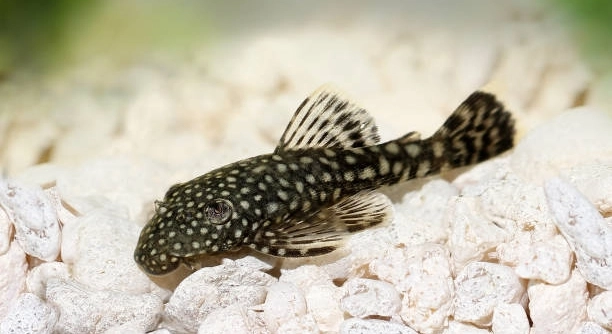
Plecos are known for their algae-eating habits, often becoming a key part of an aquarium’s ecosystem. Their diet primarily consists of algae, but some owners wonder if this behavior changes as they grow older.
Plecos, particularly the common species, continue to graze on algae throughout their life. However, as they grow larger, their dietary needs may expand, and they may require additional protein and plant-based foods to meet their nutritional requirements.
As plecos mature, their feeding habits may shift slightly, but algae remains an important part of their diet. Understanding their changing needs can help maintain their health and the balance of your aquarium.
The Evolution of a Pleco’s Diet
As plecos grow, their eating habits evolve. While algae remains a staple in their diet, the amount they consume may decrease as they get older and larger. This is because their size and energy needs increase, which leads them to seek out other food sources. In addition to algae, adult plecos will start to eat more varied foods, such as sinking pellets, vegetables like zucchini and cucumber, and occasionally small amounts of protein, like brine shrimp or bloodworms. This dietary expansion is necessary to maintain their health, especially since algae alone may not provide the complete nutrition required for their larger size.
Though algae remains essential, it’s not enough to sustain a fully grown pleco. To ensure their well-being, it’s crucial to introduce additional foods into their diet that offer a balance of nutrients, vitamins, and minerals.
Without proper nutrition, a pleco’s health can decline. This can lead to stunted growth, poor coloration, or even malnutrition. While algae may still be their favorite, supplementing their meals with the right foods helps them thrive. Offering a variety of food ensures they receive the necessary nutrition at each stage of their life.
Meeting the Nutritional Needs of Adult Plecos
Adult plecos need more than just algae to thrive. They should be fed high-quality sinking pellets that contain a balanced mix of plant and protein-based ingredients. This ensures they get the right amount of fiber, vitamins, and minerals. Adding vegetables like spinach, lettuce, and peas also gives them necessary fiber and micronutrients.
In addition, providing occasional protein-rich foods helps support their muscle growth and energy levels. A diverse diet improves their overall health, keeps them active, and prevents them from relying solely on algae, which may not be sufficient for long-term health.
Algae as a Primary Food Source
Algae is a major food source for plecos, especially when they are young. It provides essential nutrients like fiber and minerals, contributing to their overall health. However, over-reliance on algae alone can limit their growth and well-being as they grow older.
While algae is beneficial for plecos, it’s not a complete diet. For juveniles, algae plays a crucial role in their growth, as it offers essential nutrients that support their development. Plecos can graze on the algae growing on aquarium surfaces, rocks, and decorations. This constant availability of food is why many aquariums rely on plecos for natural algae control. However, as the pleco matures, it may need more than algae to thrive.
Adult plecos are larger and have greater nutritional needs. Algae alone may no longer provide the right balance of protein, vitamins, and minerals needed for their health. Supplementing their diet with a variety of foods ensures they continue to grow and maintain their energy levels.
Signs of a Pleco Needing a Different Diet
A pleco that has outgrown its algae habit will start showing signs of malnutrition. These can include lethargy, poor growth, or changes in coloration. Addressing their diet promptly can prevent further issues.
When a pleco starts to lose its appetite for algae or shows signs of stagnation, it is often an indicator that its diet needs to be adjusted. In the wild, plecos would naturally shift to other food sources, but in a tank, it’s up to the owner to ensure the pleco has enough variety in its meals. If your pleco is only consuming algae, it’s time to offer alternatives to meet its growing nutritional needs. Experimenting with different types of food can help determine what your pleco prefers.
Introducing sinking pellets, blanched vegetables, and occasional protein will help keep the pleco active and healthy. Adjusting its diet based on signs of dietary deficiency ensures it has the nutrients necessary to thrive.
The Importance of Variety in a Pleco’s Diet
A varied diet is key to keeping a pleco healthy. Algae provides some nutrients, but without other food sources, a pleco may not get all the vitamins and minerals it needs. Adding new foods ensures a balanced and complete diet for growth and vitality.
While algae is a good starting point, variety is essential. Sinking pellets, vegetables, and occasional protein sources contribute to a well-rounded diet that supports your pleco’s health. Without diversity, a pleco may develop nutritional deficiencies, leading to poor growth and health complications. Regularly offering new food options can keep your pleco thriving.
Feeding Techniques for Plecos
To ensure plecos are getting enough food, it’s important to use proper feeding techniques. Plecos are nocturnal, so offering food at night can encourage them to eat. Sinking pellets and blanched vegetables are ideal, as they will sink to the bottom where plecos are most active.
Feeding your pleco in the evening or early morning ensures that they can access food when they’re most active. Placing food at the bottom of the tank and avoiding overfeeding can prevent water pollution. Giving your pleco a consistent feeding schedule helps maintain their health and energy levels.
Adjusting Food Quantity
Overfeeding plecos can lead to waste and water quality issues. It’s essential to measure out the right amount of food based on your pleco’s size and activity level. Too much food can negatively impact your tank’s balance, so adjusting the quantity is important.
Proper portion control helps maintain a healthy environment for both your pleco and your tank. Monitoring the amount of food given ensures it gets the right nutrition without overloading the aquarium with excess food. Regular adjustments based on your pleco’s eating habits keep the ecosystem in balance.
FAQ
How do I know if my pleco is not getting enough food?
If your pleco isn’t eating enough, it may become lethargic, show reduced growth, or develop a poor color. In some cases, it might spend more time hiding or not be as active during the night when it’s naturally more active. These are clear signs that your pleco’s diet isn’t meeting its nutritional needs.
To confirm if your pleco isn’t eating enough, check the food left in the tank after feeding. If large amounts of food remain untouched, it could indicate that the pleco is not eating properly. Consistently adjusting its diet and feeding routine can help encourage better feeding habits.
Can plecos live on algae alone?
Algae can be a significant part of a pleco’s diet, but it is not enough on its own. While plecos are known to eat algae, relying solely on algae is not ideal for their long-term health. Algae does not provide all the necessary nutrients, vitamins, and proteins needed for a fully grown pleco.
A diet consisting solely of algae may lead to nutritional deficiencies, stunted growth, and poor health. Therefore, it is important to supplement their diet with sinking pellets, vegetables, and occasional proteins like shrimp or worms to ensure they receive a well-rounded diet.
What are the best vegetables to feed my pleco?
The best vegetables for plecos include zucchini, cucumber, spinach, peas, and lettuce. These vegetables are rich in nutrients and fiber, which help keep the pleco’s digestive system healthy. Blanching vegetables before offering them ensures they are easier for the pleco to eat and digest.
Introducing these vegetables into their diet gives plecos the variety they need while preventing them from solely relying on algae. You can attach the vegetables to the tank’s décor or place them in a veggie clip to allow your pleco to enjoy them throughout the day or night.
How often should I feed my pleco?
Plecos should be fed once or twice a day. Younger plecos may require more frequent feedings, while adult plecos can manage with one feeding per day. Since plecos are nocturnal, feeding them in the evening or early morning works best, as they are more active during these times.
Overfeeding can lead to water quality issues, so it’s important to measure out the right amount of food. If any food is left uneaten after 24 hours, reduce the amount in the next feeding to avoid water contamination. Keep an eye on your pleco’s behavior to adjust feeding frequency.
What type of food is best for adult plecos?
For adult plecos, sinking pellets specifically designed for bottom feeders are a great option. These pellets should contain a balanced mix of plant and protein ingredients to meet their nutritional needs. Supplementing with vegetables like zucchini, spinach, and cucumber, along with occasional protein such as brine shrimp, will help ensure they stay healthy.
Adult plecos require a variety of food to maintain a healthy diet. Sinking pellets can provide the bulk of their daily nutrition, while vegetables and protein provide additional nutrients to keep them active and in good health.
Can plecos eat meat or protein-based foods?
Yes, plecos can eat protein-based foods, but it should be given in moderation. Plecos are primarily herbivores, but they will consume small amounts of protein in the wild. Foods like brine shrimp, bloodworms, and daphnia are good sources of protein that can be added to their diet occasionally.
Overfeeding protein can lead to obesity and other health issues, so it’s important to offer protein-rich foods in small quantities. A varied diet with a balance of plant-based and protein foods will help maintain their health.
What happens if my pleco doesn’t get enough variety in its diet?
If your pleco’s diet lacks variety, it can lead to malnutrition. Plecos that don’t receive a balanced diet may experience stunted growth, poor coloration, and weakened immune systems. A lack of nutrients can also make them more susceptible to diseases and stress.
A diet consisting solely of algae or one food source does not meet all of the pleco’s nutritional needs. Offering a variety of foods, including sinking pellets, vegetables, and occasional protein, will ensure your pleco gets a well-rounded and nutritious diet.
Can plecos eat fruits?
While fruits are not a natural part of a pleco’s diet, they can occasionally be given as a treat. Soft fruits like apples, pears, or melons can be offered in small quantities. However, fruits should not make up a large part of their diet, as they are high in sugar and lack essential nutrients.
Fruits should be offered sparingly and not as a substitute for the essential plant-based and protein-rich foods that plecos need. The occasional fruit treat can add some variety to their diet but should not be relied upon as a primary food source.
Why is my pleco not eating its food?
If your pleco is refusing food, it may be due to stress, water quality issues, or an unsuitable diet. Poor water conditions, such as high ammonia or nitrate levels, can cause a pleco to stop eating. Ensuring the water is clean and properly maintained is essential for their well-being.
Additionally, some plecos may refuse food if the food is not to their liking. Offering different types of sinking pellets, vegetables, or protein may help encourage them to eat. If the problem persists, check the water parameters and ensure the pleco’s environment is stress-free.
How do I introduce new foods to my pleco?
To introduce new foods to your pleco, start by offering small amounts of the new food alongside its regular diet. Gradually increase the portion size over time, while observing the pleco’s reaction to the food. Some plecos can be hesitant to try new foods, so patience is key.
Using food clips or attaching vegetables to tank decor can help make the new food more accessible. It may take a little time for your pleco to accept the new foods, but once it gets used to them, it will enjoy a wider variety of meals.
Final Thoughts
Maintaining a balanced and varied diet is essential for your pleco’s health. While algae is an important food source, it cannot provide all the necessary nutrients for optimal growth and well-being. By introducing a variety of foods, such as vegetables, sinking pellets, and occasional protein, you can ensure your pleco receives the right nutrition. Regularly changing their diet will help avoid malnutrition and promote long-term health. Over time, observing your pleco’s eating habits can guide you in making adjustments to their diet, ensuring they stay healthy and active.
Feeding techniques are also important. Plecos are nocturnal, so offering food at the right time can encourage them to eat more effectively. Sinking pellets and vegetables placed at the bottom of the tank ensure that your pleco has access to food when it is most active. Careful portion control and monitoring the amount of food left behind will help maintain water quality. By sticking to a consistent feeding schedule and adjusting the amount of food as needed, you can prevent overfeeding and reduce the risk of water contamination.
Lastly, the quality of water in your tank plays a crucial role in your pleco’s feeding habits. Poor water quality can lead to stress, which may cause a decrease in appetite. Regular water changes and ensuring the water parameters are ideal will help maintain a healthy environment. By combining a varied diet with proper feeding techniques and good water quality, your pleco will thrive and remain a healthy addition to your aquarium. Regular care and attention to their diet and surroundings are essential for their overall well-being.

Hello,
If you enjoy the content that we create, please consider saying a "Thank You!" by leaving a tip.
Every little bit helps us continue crafting quality advice that supports the health, happiness, and well-being of pets around the world, for pets of all shapes, sizes, and species.
We really appreciate the kindness and support that you show us!