
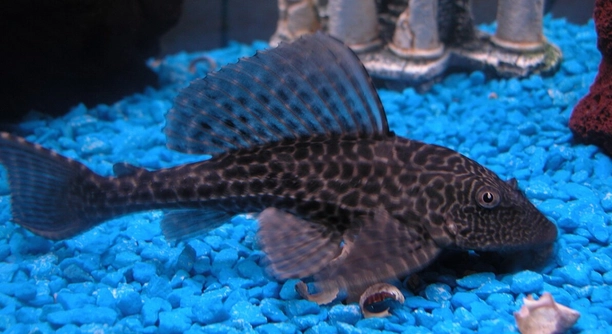
Do you ever find yourself setting up a tank for your pleco and feeling unsure about the best water conditions for them?
Plecos generally prefer flowing water, as it mimics their natural river habitats. Moderate currents support oxygen exchange, keep the water clean, and provide mental stimulation. However, extreme flow can stress them, especially smaller or weaker individuals.
From habitat setups to filter choices, there are a few key things to understand when creating the best environment for your pleco.
Why Flowing Water Matters for Plecos
In the wild, many pleco species come from rivers with steady water flow. These conditions help with oxygen levels, waste removal, and overall water quality. Flowing water also allows plecos to behave more naturally. They enjoy clinging to rocks or driftwood while currents move past them. This movement encourages physical activity and helps keep their bodies strong. It also prevents the tank from becoming stagnant, which can lead to poor water conditions and health issues. Flow supports the beneficial bacteria in your filter and helps circulate nutrients evenly throughout the tank. For these reasons, a gentle to moderate current is often best. It creates a more natural and healthy setup. It’s important to match the flow strength to your pleco’s size and type. Some smaller or less active plecos may prefer calmer areas. Others enjoy moving water more. Always watch their behavior to make sure they seem comfortable.
Not every pleco wants strong current all the time. Some like to rest in calmer spots behind rocks or decorations.
Creating zones in your tank is a great idea. Use rocks, driftwood, or plants to block flow in some areas while keeping it moving in others. That way, your pleco can choose what it prefers.
Still Water Isn’t Ideal
Still water makes it harder for plecos to breathe properly and increases waste buildup.
Without steady movement, oxygen levels can drop fast, especially at the bottom of the tank where plecos often rest. That can leave them sluggish or even sick. Still water also allows uneaten food and waste to sit longer, which can lead to poor water quality. Filters work better when water is circulating properly. In a still tank, even a good filter may struggle to keep things clean. Some plecos may tolerate low-flow environments, but they’ll likely be less active. Over time, this can affect their health and stress levels. Adding a gentle filter or powerhead is an easy way to get the right flow. You don’t need anything strong—just enough to keep the water moving and oxygen-rich. Look for signs like your pleco clinging to one spot, hiding too much, or breathing heavily. Those can be signs that water conditions aren’t ideal.
How to Create the Right Flow
Start with a filter that suits your tank size. A hang-on-back or canister filter usually works well for plecos. Aim for steady movement but not something that pushes your fish around. Adjustable flow settings are helpful if your pleco prefers gentler water.
Add decorations like driftwood, rocks, or caves to help break up strong currents. These objects give your pleco a place to rest and hide when needed. You can also use live plants to slow down water in certain spots. If your filter creates too much movement, try angling the outflow toward the glass or adding a sponge to soften it. Place your filter near the middle or one side of the tank to let water circulate more naturally. This setup keeps the tank cleaner while giving your pleco places with both flow and stillness. Keep an eye on your fish to make sure it’s adjusting well.
If the tank is large, consider using a small powerhead in one corner. This helps water reach areas your main filter might miss. Make sure the flow isn’t blasting directly at your pleco’s favorite spots. They should be able to rest without being forced to swim constantly. Balanced flow supports a healthy and stable environment.
Spotting Discomfort in Plecos
Plecos that struggle with too much or too little flow might hide more often, become less active, or breathe heavily. If they’re stuck in one corner or not eating well, they may be stressed by water movement. Keep track of their behavior to catch these signs early.
Watch how your pleco behaves during different times of the day. If it’s clinging to decorations and rarely moving, the current might be too strong. On the other hand, if it’s gasping at the surface or staying near the filter output, it could mean there’s not enough oxygen or flow in the tank. Also check for changes in color, appetite, or waste levels, as these can reflect how comfortable your pleco feels. Use these signs to guide adjustments to your flow setup. You don’t need fancy tools—just observe and respond. A pleco that feels safe and relaxed will explore more, eat better, and show its natural behavior.
Adjusting Flow Based on Pleco Type
Smaller pleco species like bristlenose often prefer gentle flow and shaded resting areas. Their size makes them more sensitive to strong currents, especially in smaller tanks. Always provide spots where the water slows down so they can rest comfortably.
Larger species such as common or royal plecos usually handle stronger flow better. Their bodies are built for steady water, especially if they come from river environments. Just be sure to avoid overly powerful currents that force them to constantly swim.
Choosing the Right Equipment
Pick a filter rated for your tank’s size, with an adjustable flow option if possible. This gives you control and flexibility. Canister filters are great for bigger tanks, while sponge filters work well in smaller setups. Add a powerhead only if needed, and always test its placement. Use decorations to shape the water’s path, breaking strong currents and creating calm spots. Test the flow by observing how your pleco reacts, and make changes slowly. The goal is steady, clean movement without stressing your fish. Keeping the flow balanced makes your tank more stable and your pleco more active and healthy.
Maintenance and Monitoring
Check the flow regularly after water changes or filter cleaning. Sometimes buildup or debris can change how water moves. Watch your pleco and adjust things if needed.
FAQ
Do plecos need a filter?
Yes, plecos benefit from having a filter in their tank. A filter helps keep the water clean, removes waste, and supports oxygen levels. Without one, water quality can quickly decline, which can cause health issues for your pleco. Even with a filter, regular water changes are necessary to maintain good water conditions.
How strong should the water flow be for my pleco?
The flow should be moderate. Plecos do best with gentle to moderate water movement that mimics the flow of a river or stream. Too strong a current can stress them, while too little flow can lead to poor oxygenation and waste buildup. Monitor your pleco’s behavior to find the right balance.
Can plecos live in still water?
Plecos can survive in still water, but it’s not ideal for them. Without proper water flow, oxygen levels can drop, and waste can accumulate. This can lead to a lack of activity and stress. A mild current can encourage them to be more active and help keep their environment cleaner.
What are the signs that my pleco is stressed by the water flow?
If your pleco is stressed, it might stay in one spot, cling to decorations, or hide more often. It may also struggle to breathe or swim. These behaviors suggest that the current is too strong or too weak for their comfort. Pay attention to these signs and adjust the flow accordingly.
How can I make the water flow gentler in my tank?
You can reduce water flow by angling the filter’s output away from your pleco’s favorite resting spots. Adding decorations, such as rocks, driftwood, or plants, can also help slow down water movement in certain areas. You can also use a sponge filter or a filter with adjustable flow.
Should I use a sponge filter or a powerhead for plecos?
Sponge filters work well for smaller tanks, providing gentle water movement and excellent filtration. They are also ideal for plecos that prefer calm areas. Powerheads, on the other hand, can be used for larger tanks with stronger currents, but make sure to position them carefully to avoid pushing your pleco around too much.
Can plecos live in tanks without any water flow?
Plecos can technically live in still water, but it’s not healthy for them in the long term. They need oxygen-rich water and a clean environment to thrive. A slight water flow supports these needs and keeps the tank stable. Without flow, plecos may become lethargic and vulnerable to diseases.
How do I know if my pleco is getting enough oxygen?
If your pleco is swimming near the surface or has difficulty breathing, it might not be getting enough oxygen. Plecos also breathe through their gills, so if the water lacks proper movement or is low in oxygen, they’ll show signs of distress. Increasing the flow or adding an air stone can help boost oxygen levels.
Why is my pleco staying in one spot?
A pleco that stays in one spot could be indicating that the water conditions aren’t ideal. It could be due to a strong current that it’s trying to avoid, or it could be stressed from stagnant water that lacks oxygen. Check the water flow and oxygen levels to ensure they are comfortable.
Is it okay to have a strong current in a pleco tank?
A strong current is generally not recommended for plecos, especially smaller species. They prefer moderate flow that’s not too overwhelming. However, larger plecos may tolerate stronger currents. If the flow seems too strong, try adjusting the filter’s output or using decorations to break up the current.
What is the best tank size for plecos?
Plecos need a spacious tank, particularly as they grow. A 30-gallon tank is usually the minimum for smaller species like bristlenose, while larger plecos require much more space. A bigger tank allows for better water quality, more hiding spots, and room for the pleco to move around comfortably.
How often should I change the water in my pleco tank?
Water changes should be done regularly to maintain good water quality. A 25-30% water change every 1-2 weeks is ideal for plecos. This helps remove waste, reduce toxins, and replenish essential minerals. If you have a larger pleco or a heavily stocked tank, more frequent water changes may be necessary.
Can plecos live with other fish in a tank?
Plecos are generally peaceful fish and can live with many other species. However, make sure to avoid tank mates that are too aggressive or that might compete for food. Larger plecos can sometimes become territorial, so ensure there’s enough space for everyone. Always monitor how your pleco interacts with others.
Why is my pleco breathing heavily?
Heavy breathing can be a sign of poor water quality, low oxygen levels, or stress. It could be due to an overly strong current, a dirty tank, or insufficient filtration. Check the water temperature, oxygen levels, and flow rate. If the problem persists, a water change or filter adjustment may be necessary.
How do I prevent my pleco from being stressed?
To prevent stress, provide a comfortable environment with proper flow, hiding places, and good water quality. Ensure the temperature and pH levels are stable, and avoid overcrowding. Regular maintenance and monitoring of your pleco’s behavior will help keep stress levels low and your pleco happy.
Can plecos be kept in tanks with high water flow for long periods?
High water flow can be tiring for plecos, especially if the current is too strong. It’s best to avoid constantly subjecting them to strong currents. Plecos that live in tanks with high flow should have areas with calmer water to rest and recuperate. Always make adjustments based on how your pleco behaves.
How does water flow affect pleco behavior?
Plecos are sensitive to water movement. Strong flow can make them stressed or cause them to hide, while too little flow can make them sluggish or lead to poor water quality. The right flow encourages natural behavior, keeps them active, and supports their health. Monitoring their movements is key.
Final Thoughts
Creating the right environment for your pleco involves paying attention to water flow, as it plays a significant role in their overall health and behavior. Plecos thrive in tanks with a moderate current, which mimics the natural rivers and streams they come from. Proper flow supports oxygen levels, keeps the tank cleaner, and encourages natural behaviors like swimming and foraging. Without enough movement, plecos may become stressed, lethargic, or have difficulty breathing. However, too much flow can be equally harmful, especially for smaller or less active species. Finding the right balance is key to keeping your pleco happy and healthy.
It’s also important to consider your pleco’s species when determining the best flow rate for their tank. Smaller plecos, such as bristlenoses, often prefer calmer areas in the tank where they can rest away from strong currents. Larger plecos, like the common pleco, are more tolerant of higher water flow but still need places where they can rest comfortably. Providing a mix of flowing and still areas in your tank allows your pleco to choose where it feels most comfortable, reducing the chance of stress. This approach also supports better water circulation, which helps maintain water quality and oxygen levels throughout the tank.
Finally, regularly monitoring your pleco’s behavior and adjusting the flow as needed is essential. Plecos are known to be sensitive to their environment, so small changes in water movement can make a big difference in how they react. Watch for signs of stress, like hiding or struggling to breathe, and adjust the flow to meet their needs. Over time, you’ll learn the best setup for your pleco, ensuring it thrives in a healthy, balanced environment. Regular maintenance, including cleaning the filter and making water changes, is also crucial to maintaining the right conditions for your pleco to live a long, happy life.

Hello,
If you enjoy the content that we create, please consider saying a "Thank You!" by leaving a tip.
Every little bit helps us continue crafting quality advice that supports the health, happiness, and well-being of pets around the world, for pets of all shapes, sizes, and species.
We really appreciate the kindness and support that you show us!