
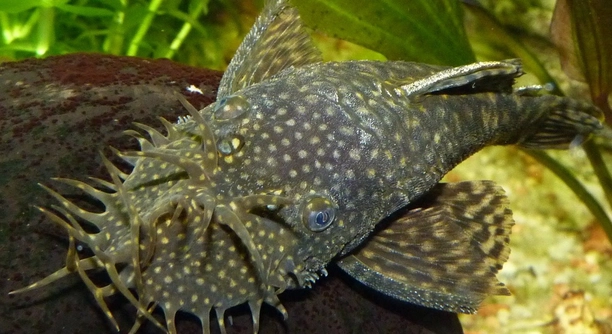
Plecos are popular aquarium fish known for their unique appearance and helpful algae-eating habits. However, when it comes to water flow, these fish may have specific preferences. Understanding how plecos react to different water currents can be crucial for their well-being.
Plecos generally prefer calm water with gentle flow, as strong currents can cause stress and discomfort. They are bottom dwellers and tend to avoid areas with high water movement. Ensuring a balanced water flow can help keep them healthy and content.
Understanding the optimal water conditions for plecos will help you maintain a healthy tank and ensure they thrive in their environment.
Why Plecos Prefer Calm Water
Plecos are naturally found in slow-moving rivers and streams, where water flow is much gentler. They are not built for strong currents, as their bodies are more suited for bottom-dwelling environments. In nature, plecos typically hide among rocks or driftwood, seeking shelter from faster-moving water. This preference is linked to their comfort and ability to conserve energy, which is crucial for their survival.
While plecos can tolerate mild water movement, strong currents can lead to stress, impacting their feeding habits and overall health. Excessive water flow makes it difficult for plecos to maintain a stable position at the bottom of the tank, leading to anxiety. Additionally, if the water movement interferes with their access to algae or food sources, they may struggle to thrive.
By adjusting the water flow in your aquarium, you can create a more comfortable environment. Ensuring that the water movement is gentle can help reduce stress and encourage natural behaviors, such as grazing on algae or interacting with tank decorations.
How to Adjust Water Flow for Plecos
The easiest way to lower the water flow is to position your filter outflow or pump in a way that avoids disturbing the plecos’ habitat. Adding decorations, like rocks or plants, can also create sheltered areas where they can escape stronger currents.
One useful method is to direct the filter outflow towards the surface or corners of the tank, ensuring the main water flow is away from the bottom. Additionally, using a sponge filter can provide filtration without strong water movement. Plecos enjoy calm areas where they can move freely without being pushed around. Adjusting the tank setup to accommodate their needs will improve their health and behavior.
Why Plecos Can Struggle with High Water Flow
Plecos, being bottom dwellers, are more sensitive to strong currents than surface swimmers. In a tank with high water flow, they may struggle to find calm spots to rest. The constant movement can cause exhaustion as they fight to maintain balance or navigate against the current. This can also make it harder for them to find food, affecting their feeding habits.
High water flow can also prevent plecos from effectively grazing on algae or eating other food that sinks to the bottom. They may avoid actively swimming to the substrate, which can lead to underfeeding. Since plecos rely on the calm areas of a tank to rest and forage, excessive flow can cause unnecessary stress, weakening their immune system. Over time, this can lead to health issues, such as reduced appetite or sluggish behavior.
In the wild, plecos thrive in more stable environments, where water movement is minimal. Ensuring your aquarium replicates these conditions can improve their overall health. You may also notice that plecos will be more active and comfortable in calmer tanks.
Balancing Water Flow with Pleco Comfort
The key to balancing water flow is making sure the flow rate matches the natural behavior of plecos. Many aquarium owners use adjustable filters that allow for customization of the flow. If you find the current to be too strong, reducing the filter speed can help create a calmer environment. Alternatively, adding baffles or foam to the filter outflow can diffuse the water flow.
Creating sheltered areas in the tank is also an effective way to help plecos find calm spots. Using plants, driftwood, or rocks to block direct water flow allows plecos to seek refuge from fast-moving water. These structures can act as barriers, providing them with areas to rest without being constantly pushed around.
Signs Your Pleco is Stressed from High Water Flow
If your pleco is stressed by high water flow, you may notice them hiding more often. They might also appear less active, spending more time resting in sheltered areas. A decrease in feeding can also be a sign that the flow is too strong for them to handle.
Plecos may exhibit signs of distress when they are constantly trying to escape the current. This can lead to them staying in the same spot for long periods, avoiding any areas with heavy flow. Over time, this behavior can negatively affect their health and well-being, leading to lethargy.
Choosing the Right Equipment for Plecos
Choosing the right filter or pump is essential for a pleco-friendly aquarium. Opting for an adjustable filter is one of the best ways to manage water flow. This will allow you to adjust the strength based on the tank’s needs and your pleco’s comfort. Filters that have multiple settings can provide flexibility in managing water movement without creating turbulence.
Consider adding a sponge filter as well. This type of filter is gentle on plecos and can ensure optimal filtration without high water flow. The sponge filter works by drawing water through the sponge, providing gentle circulation that won’t disturb plecos as much.
Observing Behavior to Make Adjustments
If your pleco’s behavior changes, it may be time to adjust the water flow. Watch for signs such as hiding or avoiding certain areas of the tank. If you notice these behaviors, it might indicate that the current is too strong, and adjustments should be made for their comfort.
FAQ
What is the ideal water flow for plecos?
Plecos prefer calm water with minimal flow. The ideal water movement for plecos should be gentle, allowing them to swim and forage comfortably at the bottom of the tank. You can achieve this by using a filter with an adjustable flow rate or by directing the filter outflow toward the surface or tank corners.
Can plecos live in strong currents?
While plecos can tolerate moderate water movement, strong currents can cause stress and discomfort. They are naturally bottom dwellers in slow-moving waters, so high water flow can interfere with their natural behavior and feeding habits. Prolonged exposure to strong currents can lead to health problems and a lack of appetite.
How do I know if my pleco is stressed by water flow?
If your pleco is stressed by high water flow, you may notice them hiding more often, being less active, or avoiding areas with strong currents. You might also see them struggling to maintain balance or staying in the same spot without moving much. These behaviors are signs that the current may be too intense for them.
Can I use a sponge filter for my pleco tank?
Yes, sponge filters are an excellent choice for pleco tanks. They provide gentle water flow while still effectively filtering the water. Sponge filters create minimal disturbance in the tank, which is ideal for plecos who prefer calm environments. They also help maintain good water quality, which is crucial for pleco health.
How can I reduce water flow in my pleco tank?
To reduce water flow in a pleco tank, you can adjust the flow rate of your filter if it has that option. Another method is to redirect the water output towards the surface or tank corners. Adding decorations, such as rocks, plants, or driftwood, can also help create sheltered areas where plecos can escape from the flow.
Is high water flow harmful to plecos in the long run?
Yes, prolonged exposure to high water flow can be harmful to plecos. It can lead to stress, which weakens their immune system and causes behavioral changes. Over time, this can result in poor feeding habits, weight loss, and even health problems. It’s important to maintain a water flow that suits their natural preferences to ensure their long-term well-being.
What should I do if my pleco isn’t eating because of high water flow?
If your pleco stops eating, it could be due to stress from high water flow. Try adjusting the filter to reduce the current, and ensure there are sheltered spots in the tank where the pleco can feel secure. Once the water flow is more suitable, your pleco may return to normal feeding habits.
Can plecos adapt to high water flow over time?
Plecos are not well-suited to strong currents, and while they might initially try to adapt, it’s unlikely that they will fully acclimate to high water flow. Over time, constant exposure to high water flow can cause stress, impacting their health. It’s better to adjust the environment to suit their needs rather than force them to adapt.
How do I provide shelter for my pleco in a tank with high water flow?
To provide shelter for your pleco, use decorations like rocks, driftwood, or dense plants that can block or redirect strong water flow. Create areas where the pleco can escape the current, such as behind larger decorations or in the corners of the tank. This will help reduce stress and allow the pleco to rest comfortably.
Are plecos more sensitive to water flow in smaller tanks?
Yes, plecos can be more sensitive to water flow in smaller tanks because the space is more confined, and currents may be stronger in proportion to the tank size. In smaller tanks, it’s especially important to adjust the filter flow and create quiet areas where plecos can rest without being disturbed.
What type of filter is best for plecos?
The best filter for plecos is one with adjustable flow settings. This allows you to control the current and maintain a gentle water flow, which is better suited to their needs. Sponge filters and canister filters with adjustable output are both good options. Ensure that the filter provides adequate filtration without creating high water flow.
Can I keep plecos in a tank with other fish that like high water flow?
It’s not ideal to keep plecos in a tank with fish that prefer high water flow, as the plecos will struggle with the current. If you want to keep both types of fish, you may need to set up different zones within the tank. Use decorations to separate areas of strong and calm water flow, allowing plecos to find shelter while maintaining the needs of more active, current-loving fish.
Do plecos need a lot of oxygen in their tank?
Plecos don’t require excessive oxygen levels, but like all fish, they do need adequate oxygen to thrive. A well-functioning filter that promotes surface agitation can help maintain oxygen levels in the tank. However, high water flow can make it harder for plecos to access calm areas where they can breathe comfortably.
Will plecos tolerate changes in water flow?
Plecos are not particularly tolerant of sudden changes in water flow. It’s important to make adjustments gradually so that they can acclimate to the new conditions without added stress. If you need to change the water flow, do it slowly and monitor their behavior to ensure they are comfortable with the changes.
Can plecos live with other peaceful bottom dwellers in low flow areas?
Yes, plecos can live with other peaceful bottom dwellers in low-flow areas, as long as the other species are not overly aggressive. Fish like corydoras, loaches, or certain species of catfish that also prefer calm environments can co-exist with plecos without causing stress. Ensure there is enough space and shelter for all species.
What is the best temperature for plecos in a tank with low water flow?
The best temperature for plecos in a low-flow tank is between 75°F and 80°F (24°C and 27°C). This range is comfortable for most pleco species, promoting healthy digestion and activity. Always make sure the water conditions, including temperature, are stable and consistent, as plecos can be sensitive to fluctuations.
Final Thoughts
Plecos are fascinating fish that thrive in calm, stable environments. They naturally prefer slow-moving water and can become stressed in tanks with high water flow. This stress can lead to a variety of behavioral and health issues, so it’s crucial to maintain the right water conditions for them. By adjusting the flow rate of your filter or using equipment that provides gentle filtration, you can create a comfortable space for your pleco to thrive.
Choosing the right tank setup for plecos is essential. You should provide them with shelter and places to hide from strong currents, as they are naturally bottom dwellers. A tank with rocks, driftwood, and plants can help create these safe spaces. Additionally, paying attention to the type of filter and ensuring it has adjustable flow settings will give you more control over the water conditions. Avoiding strong currents will help plecos feel more secure, reducing stress and promoting better overall health.
Maintaining a healthy environment for your pleco involves not just controlling water flow but also monitoring other aspects of tank care. Regular water changes, proper filtration, and maintaining the right water temperature and pH are essential to your pleco’s well-being. By creating an environment that aligns with their natural preferences, you ensure that they live a long, healthy, and happy life in your aquarium.

Hello,
If you enjoy the content that we create, please consider saying a "Thank You!" by leaving a tip.
Every little bit helps us continue crafting quality advice that supports the health, happiness, and well-being of pets around the world, for pets of all shapes, sizes, and species.
We really appreciate the kindness and support that you show us!