
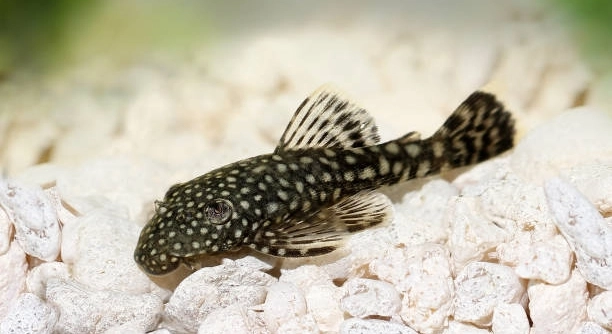
Plecos are fascinating aquarium fish that many aquarium enthusiasts enjoy keeping. These bottom dwellers are known for their unique behavior, often interacting with the environment in ways that raise curiosity. One common question is about their interaction with decorations.
Plecos may chew on decorations in an aquarium, primarily due to their need to scrape algae or find food sources. Their natural behavior includes nibbling on surfaces to maintain their health, often targeting ornaments or plants with softer textures.
Knowing why plecos engage with decorations can help you better understand their behavior and ensure your tank’s setup meets their needs.
Why Do Plecos Chew on Decorations?
Plecos are naturally inclined to scrape surfaces for algae, which is a large part of their diet. In their natural habitats, they feed off rocks, wood, and plants. This instinctual behavior continues in aquariums, where they may chew on decorations that have algae build-up. While this helps keep their teeth worn down, it can sometimes damage your tank’s decorations.
It’s important to remember that plecos are not trying to destroy your decorations. They are simply doing what comes naturally. By keeping decorations with algae growth, you provide them with something to graze on, which can reduce their need to chew on other items in the tank. This behavior is especially common in young plecos who are still growing and developing.
A pleco’s need to graze also helps maintain a balanced environment in the aquarium. Their actions can assist in controlling algae growth, which is beneficial for other tank inhabitants. While they may chew on decorations, it’s an essential part of their behavior and diet, helping them thrive in captivity.
How to Prevent Damage to Your Decorations
If you’re concerned about the damage plecos might be causing to your tank, there are a few simple things you can do. First, ensure they have enough natural food sources. Adding driftwood or rocks for them to scrape can help redirect their attention away from your decorations.
Additionally, placing algae wafers or other types of food designed for plecos in the tank will encourage them to focus on these rather than your ornaments. This can help keep both your fish healthy and your decorations intact, preventing any unwanted wear and tear.
Will Plecos Damage Your Aquarium?
Plecos can sometimes cause damage to decorations when they chew on them. This usually happens if the decorations are made of softer materials or are coated in algae. While they’re not typically destructive, prolonged chewing can lead to noticeable wear and tear.
To prevent damage, it’s best to choose decorations made of sturdier materials like ceramic or stone. These materials can withstand pleco nibbling and won’t degrade as easily. Also, placing harder surfaces in the tank, like driftwood, can satisfy their need to scrape, reducing the chance of them chewing on your ornaments.
Keep in mind that plecos are just doing what comes naturally. Their instincts drive them to graze, and while they may cause some damage to your decorations, it’s generally not an issue. If you want to minimize damage, ensure your tank has plenty of suitable food sources, and consider adding tougher ornaments that won’t be easily affected.
What Can You Do to Protect Your Decorations?
To protect your decorations from plecos, consider placing more algae-scraping surfaces in the tank, such as larger rocks, driftwood, or algae mats. These will encourage your plecos to focus on those surfaces rather than chewing on the ornaments.
Offering algae wafers or other food specifically designed for plecos will also help. When plecos are well-fed with their preferred food, they may be less likely to chew on things in the tank that aren’t part of their diet. This can preserve both their health and the condition of your decorations.
Taking these simple steps ensures a healthy environment for your plecos and your decorations. You can keep the tank looking beautiful while providing your fish with what they need.
Can Plecos Be Overfed?
Overfeeding plecos can lead to various health issues. When they’re given more food than they can consume, it may cause water quality problems due to uneaten food breaking down. This can negatively affect both the pleco and other tank inhabitants.
To prevent overfeeding, follow a feeding schedule and avoid excess food in the tank. Offer only what your pleco can consume in a few hours. Any leftover food should be removed promptly. Monitoring your pleco’s feeding habits and adjusting the amount accordingly will help maintain a balanced and healthy aquarium.
Feeding plecos too much can also lead to obesity, which can cause other health concerns like swim bladder issues. To keep your pleco healthy, offer a variety of food that meets its nutritional needs, including algae wafers, vegetables, and protein sources. Regularly check the tank to ensure everything is in balance.
Are Plecos Good Tankmates?
Plecos are generally peaceful and can coexist well with other fish. However, they are bottom-dwelling fish and may be territorial, especially in smaller tanks. It’s important to select tankmates that won’t disturb their space or compete for food.
If you have other bottom-dwelling fish, such as catfish or loaches, be sure there is enough space for each fish to have its own territory. Plecos get along with many species, but overcrowding can lead to stress and territorial disputes. A spacious aquarium with plenty of hiding spots will help.
How Often Should Plecos Be Fed?
Feeding your pleco about 2-3 times a week is typically sufficient. Offering them a small amount of food during each feeding is better than overloading the tank with excessive amounts.
FAQ
Do plecos need a lot of space in the tank?
Yes, plecos require plenty of space to thrive. Depending on the species, they can grow quite large, with some reaching up to 24 inches. A tank that is at least 75 gallons is recommended for adult plecos to ensure they have enough room to swim and graze. If you plan to keep more than one pleco, larger tanks are necessary to prevent overcrowding.
In smaller tanks, plecos can become stressed, which may lead to poor health or aggressive behavior. It’s essential to provide them with a spacious environment, as they are active fish. Along with plenty of swimming space, ensure the tank includes hiding spots like rocks or driftwood to help them feel secure.
Can plecos live with other fish?
Yes, plecos are typically peaceful and can live with a variety of other fish, as long as the tank is large enough to accommodate all of them. They are generally non-aggressive, but their bottom-dwelling nature may cause issues if tankmates compete for space.
Plecos tend to avoid confrontation, but if they feel threatened or crowded, they may become territorial. It’s best to pair them with other peaceful fish species. Avoid keeping them with aggressive fish or those that occupy the same bottom level, as this may lead to disputes.
How do I know if my pleco is healthy?
Healthy plecos are active, regularly grazing on algae or other food in the tank. Their bodies should be free of visible marks or wounds, and they should have a firm, robust appearance. If your pleco is not eating or appears lethargic, it could indicate a health problem.
Another sign of a healthy pleco is their clean, well-maintained fins and skin. If the pleco’s fins are frayed or they appear thin, these can be signs of poor water quality, malnutrition, or stress. Ensuring good water conditions and proper nutrition is crucial to maintaining their health.
Do plecos eat other fish?
No, plecos are not predatory and typically do not eat other fish. They are herbivores and primarily feed on algae, plant matter, and some proteins. However, some plecos may nibble on fish if they are weakened, stressed, or dying, but this behavior is rare.
To ensure that plecos don’t harm other fish, it’s important to maintain a well-balanced tank with proper water conditions and enough food for all inhabitants. If your pleco seems overly aggressive or shows interest in other fish, it could be due to a lack of food or space.
What should I feed my pleco?
Plecos are omnivores, but they mainly thrive on plant-based foods like algae, vegetables, and some fruit. You can feed them algae wafers, zucchini, cucumber, spinach, and other leafy greens. They may also enjoy occasional protein sources, like brine shrimp or bloodworms.
Avoid feeding your pleco exclusively high-protein foods, as this can lead to health issues. Provide a variety of food types to ensure they get a balanced diet. Regularly remove uneaten food from the tank to maintain water quality.
Why is my pleco hiding all the time?
If your pleco is hiding frequently, it could be due to several factors. Plecos are nocturnal, so they might be more active at night when the lights are off. If they are hiding during the day, it’s likely because they feel more secure in dark spaces.
Stress is another reason why plecos may hide. Poor water quality, aggressive tankmates, or insufficient hiding spots can cause stress. If your pleco is hiding and not eating, check the water parameters and ensure the tank is peaceful with plenty of hiding spots like caves, driftwood, or plants.
Can plecos live in a tank without a filter?
It’s not recommended to keep a pleco in a tank without a filter. Plecos contribute to maintaining a clean tank by grazing on algae, but they still require good water quality to stay healthy. A filter helps keep the water clean, removes waste, and maintains proper oxygen levels.
Without a filter, water quality can quickly deteriorate, leading to harmful levels of ammonia and nitrites. This can stress your pleco and other tank inhabitants. Regular water changes and maintaining a filter are necessary for a healthy aquarium environment.
How can I help my pleco with overgrown fins?
Overgrown fins in plecos are often a sign of poor water quality, stress, or a lack of proper nutrition. To help your pleco, first, ensure the water parameters are optimal, including temperature, pH, ammonia, and nitrite levels.
Additionally, providing a varied and balanced diet, rich in both plant and protein sources, is crucial. If the fins appear frayed or damaged, consider adding aquarium salt to the water to help with healing. Keep an eye on the pleco’s behavior, and consult an aquarium professional if the issue persists.
What type of water do plecos need?
Plecos generally prefer slightly acidic to neutral water, with a pH of 6.5 to 7.5. The temperature should be maintained between 72°F to 82°F (22°C to 28°C), and the water should be clean, with low levels of ammonia, nitrites, and nitrates.
Regular water changes are crucial to maintaining healthy water conditions. If your pleco seems stressed, check the water quality, as poor conditions can lead to health problems. You can use a water testing kit to ensure the tank’s water parameters remain stable and suitable for your pleco.
Do plecos need light?
Plecos do need some light to help regulate their day-night cycle, but they prefer dim lighting. Bright lights can stress them, as they are more active in low-light conditions, especially at night. To accommodate their natural behavior, a dim tank light or even natural light can be used.
If you have live plants in the tank, providing light to support plant growth will also benefit your pleco. However, avoid leaving the light on for extended periods, as this can cause stress and encourage excessive algae growth. A 10-12 hour light cycle is typically best.
Final Thoughts
Plecos are fascinating fish that can make a great addition to many aquariums. Their peaceful nature, ability to clean algae, and unique appearance make them a popular choice for hobbyists. However, keeping them healthy and happy requires careful attention to their needs. It is important to understand their space requirements, diet, and potential tankmate compatibility to ensure they thrive.
By providing the right environment, including a spacious tank, good water quality, and proper food, you can prevent common issues that may arise. Plecos are often overlooked in terms of their need for space, but they can grow quite large and need room to swim. Additionally, keeping their diet varied and nutritious is essential for their well-being. Overfeeding can lead to health problems, so monitoring the amount of food given is necessary.
In summary, plecos are low-maintenance but do require some attention to detail. With the right care, they can live for many years and become a valuable part of your aquarium. Understanding their natural behaviors and environmental needs is key to ensuring their long-term health and happiness. If you are prepared to meet these needs, plecos can be a rewarding fish to keep.

Hello,
If you enjoy the content that we create, please consider saying a "Thank You!" by leaving a tip.
Every little bit helps us continue crafting quality advice that supports the health, happiness, and well-being of pets around the world, for pets of all shapes, sizes, and species.
We really appreciate the kindness and support that you show us!