
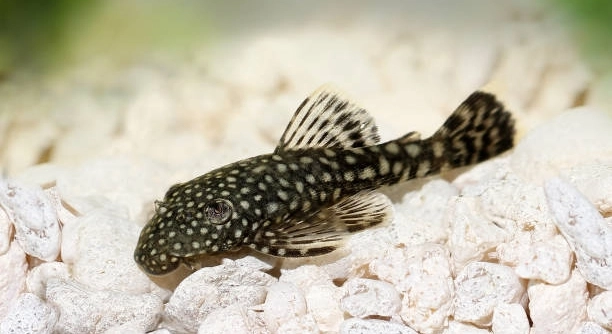
Plecos are popular aquarium fish known for their algae-eating habits. Many tank owners wonder if these bottom dwellers benefit from having regular tank mates. Understanding their social behavior can help ensure they thrive in their environment.
Plecos generally do well in tanks with other peaceful species. While they are solitary by nature, some plecos can form positive relationships with compatible tank mates. However, overcrowding or aggressive species can cause stress and disrupt their well-being.
Choosing the right tank mates can make a big difference in your pleco’s happiness. We’ll explore what works best for these fascinating fish and how to create a peaceful, thriving tank environment.
What Makes Plecos Unique in the Aquarium
Plecos are known for their algae-eating abilities and peaceful nature. However, they are solitary by nature, often preferring to have their own space. This doesn’t mean they can’t thrive with other fish, but careful selection of tank mates is important. They are often seen hiding in caves or other hiding spots, particularly during the day. At night, they become more active, scavenging for food and occasionally interacting with tank mates. Despite being social in certain conditions, they don’t typically need constant company to be happy. Understanding their specific needs can help create the right environment for them. Providing sufficient space and hiding spots will ensure your pleco feels secure, helping it maintain a healthy and stress-free life.
Tank mates should be non-aggressive and similar in size to avoid bullying. A mix of peaceful species will prevent conflicts. Overcrowding should also be avoided, as plecos need room to move freely.
Creating a harmonious environment is key to a happy tank. A pleco’s preference for solitude doesn’t mean isolation; it means choosing the right companions. Species like tetras or peaceful catfish tend to be good companions, as they are unlikely to cause stress or compete for resources. Aggressive species or large predatory fish should be avoided, as they can intimidate or harm your pleco. This balance is crucial in maintaining both the health and comfort of your pleco. It’s not just about choosing tank mates; it’s about building a peaceful ecosystem where all fish can thrive.
The Role of Tank Size and Layout
The size of your tank plays a significant role in how well plecos interact with other fish. Plecos grow large, and they need enough space to move around comfortably. A small tank can lead to stress, causing your pleco to feel trapped. An appropriately sized tank with plenty of hiding spots and plants can offer your pleco both space and security. A tank that is at least 30 gallons is recommended for most plecos, as it provides room for them to grow and allows tank mates to have their own space too.
A larger tank can accommodate a variety of peaceful species that won’t interfere with your pleco’s space. Including rocks, plants, and caves creates more hiding spots, making it easier for plecos to feel secure. As bottom dwellers, they often look for areas where they can hide from the more active fish, so be mindful of their need for these secluded spots. Adding decorations and ensuring the tank layout promotes free movement can make all the difference in how your pleco interacts with others.
Choosing the Right Tank Mates
Plecos thrive with peaceful tank mates that won’t compete for the same food or hide in the same spots. Smaller, non-aggressive fish, like tetras or rasboras, are ideal companions. Avoid larger or territorial species that might stress or bully your pleco.
It’s important to select fish that won’t crowd your pleco’s space. Species like guppies or corydoras tend to coexist well, as they are calm and unlikely to cause stress. Plecos generally don’t interact with tank mates much but will appreciate not being disturbed. Ensuring no fish are aggressive helps maintain a peaceful environment for everyone in the tank.
A balanced mix of species that occupy different levels of the tank also ensures that no one competes for territory. Plecos typically stay at the bottom of the tank, so adding species that inhabit the middle or top levels can reduce conflicts. This creates a healthy, balanced community tank where each species can flourish.
Avoiding Overcrowding
Overcrowding in a tank can lead to poor water quality and stress for all the fish, including plecos. Too many fish can result in territorial disputes and less space for everyone to thrive. It’s essential to know the appropriate stocking limits for your tank size.
A crowded tank can cause the pleco to feel threatened or deprived of necessary resources. Proper filtration and regular water changes can help maintain water quality, but the best solution is to avoid adding too many fish. A general rule is to add no more than one inch of fish per gallon of water, ensuring there is enough space for everyone. Sticking to this guideline will help you maintain a healthier tank for both plecos and their tank mates.
With enough space to move freely, your pleco will have fewer reasons to feel stressed. Proper tank maintenance becomes easier too. Fewer fish mean better water circulation and more accessible areas for cleaning. Keeping your tank within these limits will allow your pleco and other fish to coexist peacefully without overcrowding.
Compatible Species for Plecos
Plecos do best with species that are peaceful and don’t disrupt their routine. Tetras, guppies, and other small schooling fish are good options. These species generally stay out of the pleco’s way and don’t compete for the bottom of the tank.
In addition to tetras and guppies, peaceful catfish, such as Corydoras, are also excellent companions for plecos. These catfish share similar care requirements and occupy different areas of the tank, reducing the chance of conflicts. Small fish that stay away from the bottom level ensure plecos have space to scavenge for food without competition.
Choosing fish that won’t bother your pleco is key to keeping the peace. The goal is to add species that complement each other’s needs rather than competing for space or resources. Peaceful schooling fish that occupy different levels of the tank make for ideal tank mates.
Tank Temperature and Water Conditions
Plecos are hardy fish, but they require specific water conditions to thrive. Maintaining the correct temperature, pH, and water hardness is crucial for their well-being. A temperature range of 74-80°F (23-27°C) is ideal for most pleco species.
It’s also important to monitor the pH levels in your tank, as plecos prefer slightly acidic to neutral water, typically ranging from 6.5 to 7.5. Water hardness should be kept between 4-12 dGH. Consistent water parameters are essential for the health of all tank inhabitants, not just plecos. Stability helps avoid stress-related health issues.
Plecos are sensitive to drastic changes in their environment, so regular water testing is recommended. A good filtration system and regular water changes will help keep these conditions stable. With the right setup, plecos can thrive alongside their tank mates, contributing to a healthy ecosystem.
Feeding Plecos with Tank Mates
Feeding time can be an important aspect of maintaining a peaceful tank. Plecos are primarily herbivores, feeding on algae and plant matter, but they may also scavenge for leftover food. When choosing tank mates, it’s important to ensure that all fish get their fair share of food.
Larger or more dominant fish may outcompete your pleco for food, leading to malnutrition or stress. To avoid this, provide enough food for all species and ensure that the pleco has access to algae wafers or other specific food that it can eat without competition.
FAQ
Do plecos need tank mates?
While plecos can thrive in a tank without other fish, they generally do better with tank mates. While they are solitary by nature, having compatible fish can help them feel more secure. It’s important to choose peaceful species that won’t disturb their space. However, they are also quite capable of living alone if their environment provides enough stimulation and food.
Can plecos live with bettas?
Bettas are known to be territorial, especially males, and may not make good tank mates for plecos. Bettas are often aggressive and may view plecos as competition, particularly if the pleco has a similar size or color to another male betta. It’s best to avoid housing them together unless you have a large tank with plenty of hiding spots for the pleco.
Do plecos eat fish?
Plecos are primarily herbivores and usually do not eat other fish. They primarily feed on algae, detritus, and plant matter. However, plecos may nibble on dead fish if they are left in the tank, but they do not actively hunt or attack live fish.
How do I prevent my pleco from becoming aggressive?
Plecos are generally peaceful fish, but if they feel crowded or stressed, they may exhibit aggressive behaviors. Providing ample hiding spots and ensuring that tank mates are not too aggressive can help. Overcrowding should also be avoided, as plecos need enough space to feel secure. Maintaining stable water conditions also contributes to reducing stress.
Can plecos live with shrimp?
Plecos and shrimp can generally live together, especially if the pleco is on the larger side. Plecos are not known to hunt small creatures like shrimp, but it’s important to provide plenty of hiding spots for the shrimp. Smaller shrimp species might be at risk of being eaten, especially if the pleco is hungry or curious.
Do plecos eat algae wafers?
Yes, plecos love algae wafers and they are a great supplement to their diet. Algae wafers provide the nutrients they need to stay healthy and help them with their algae-eating habits. Make sure to give them enough wafers to nibble on, especially if your tank doesn’t have much natural algae for them to graze on.
How often should I feed my pleco?
Plecos are not demanding eaters but should be fed regularly. It’s recommended to feed them once a day, offering small amounts of food. Overfeeding can lead to water quality issues. If there is a lot of algae in the tank, plecos may not need much extra food, but you can supplement their diet with algae wafers or vegetables like zucchini.
What size tank do plecos need?
The size of the tank largely depends on the species of pleco. For most species, a 30-gallon tank is the minimum. Larger species may require tanks of 75 gallons or more to thrive. Plecos are bottom dwellers and need enough space to move freely and access their food without competition.
Can plecos live with goldfish?
While plecos can technically live with goldfish, it’s not always the best combination. Goldfish are messy eaters and produce a lot of waste, which can lead to poor water quality. Plecos help by cleaning up algae, but goldfish might be too large or active for some pleco species, making them uncomfortable. It’s essential to ensure proper tank size and filtration.
Are plecos nocturnal?
Yes, plecos are primarily nocturnal creatures. They spend much of the day hiding and rest in their preferred spots, becoming active at night when they begin scavenging for food. It’s normal for them to be less visible during the day, so don’t worry if you don’t see them often.
Do plecos clean the tank?
Plecos do help to clean the tank by eating algae, which is why they’re often called “algae eaters.” However, they do not completely clean a tank on their own. They are not a substitute for proper tank maintenance. Regular water changes, filter cleaning, and substrate vacuuming are still necessary to keep the tank clean.
Can plecos live with cichlids?
Cichlids are often territorial and aggressive, making them poor tank mates for plecos. Some larger cichlids may leave plecos alone, but smaller or more aggressive types could harm them. It’s important to choose non-aggressive cichlid species and provide enough space and hiding places for the pleco.
Do plecos require aeration in the tank?
Plecos do not specifically need extra aeration, but good water movement helps maintain a healthy tank. As bottom dwellers, plecos benefit from strong filtration systems to keep the water clean and provide proper oxygenation. Air stones or surface agitation may be helpful, especially if you have a larger tank.
What do plecos need in their tank?
Plecos need a tank that provides plenty of hiding spots, such as caves, rocks, and plants. They are bottom dwellers, so having a tank with a fine substrate is essential. A filter to keep the water clean, along with appropriate temperature and pH levels, will help maintain their health.
Can plecos live in freshwater tanks?
Yes, plecos are freshwater fish and do best in freshwater tanks. They are typically found in slow-moving rivers and streams in the wild. However, the water temperature, pH, and hardness levels should be adjusted to fit the specific species you are keeping.
Do plecos need a heater?
Most plecos thrive in water temperatures between 74-80°F (23-27°C). If your home tank temperature falls outside this range, a heater may be necessary to maintain optimal conditions. Keeping the water temperature stable helps prevent stress and encourages healthy growth for plecos.
How long do plecos live?
Plecos can live a long time, with many species reaching 10-15 years in captivity if well cared for. The lifespan of your pleco depends on its species, tank conditions, and diet. Ensuring proper water quality and tank mates can contribute to a longer life.
Final Thoughts
When it comes to keeping plecos, understanding their behavior and needs is key to providing them with a healthy and comfortable environment. While plecos can live alone, they do tend to benefit from having tank mates, as long as the other fish are peaceful and do not compete for the same food or space. Ensuring that your pleco has enough hiding spots and ample room to swim is essential. A well-balanced tank with a mix of plants, caves, and decorations will make the pleco feel secure, reducing stress and promoting overall health.
While plecos can be beneficial in tanks with algae problems, they do not replace the need for regular tank maintenance. Even though they are known for eating algae, plecos still need a proper diet and attention to water quality. Their primary food sources are algae and plant material, but they will also need supplements such as algae wafers or vegetables to ensure they get the nutrients they need. Regular water changes, proper filtration, and monitoring of water parameters are crucial for keeping your pleco and other tank inhabitants healthy.
Finally, it’s important to remember that not all plecos are the same. There are many species, each with different needs and characteristics. Some are small and can live in smaller tanks, while others grow large and require more space. When choosing a tank mate for your pleco, make sure to research both the pleco species and potential tank mates to ensure compatibility. With the right care and the proper environment, plecos can thrive and become a beautiful addition to any aquarium.

Hello,
If you enjoy the content that we create, please consider saying a "Thank You!" by leaving a tip.
Every little bit helps us continue crafting quality advice that supports the health, happiness, and well-being of pets around the world, for pets of all shapes, sizes, and species.
We really appreciate the kindness and support that you show us!