
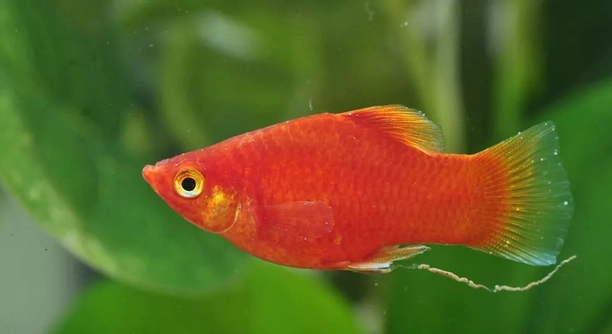
Do you ever notice how your platies behave when their environment changes? Many fish owners observe shifts in swimming patterns that seem linked to stress. Understanding these behaviors can help maintain a healthy tank for your aquatic pets.
Platies exhibit altered swimming behaviors when stressed, often swimming faster, erratically, or hiding more frequently. These changes are responses to environmental stressors such as poor water quality, overcrowding, or sudden disturbances, indicating their discomfort and need for care.
Recognizing these signs early can improve your platies’ well-being and prevent long-term health problems in your aquarium.
How Stress Affects Platy Swimming Behavior
When platies feel stressed, their swimming patterns change noticeably. They may swim faster than usual, dart around the tank, or suddenly stop and hide among plants or decorations. These behaviors happen because platies are trying to avoid perceived threats or discomfort. Stress can come from several sources like poor water quality, overcrowding, or sudden loud noises near the tank. Changes in temperature or light can also make platies uneasy. Sometimes, stressed platies will stick close to the surface or the bottom instead of exploring the middle area of the tank. This shift in behavior is a natural response to help them feel safer. By observing these changes carefully, you can spot early signs of stress and take action before it affects their health.
Stressed platies often reduce their interaction with other fish and avoid open spaces in the tank. These behaviors help them protect themselves.
Noticing these subtle changes is important for keeping platies healthy. Stress not only affects how they swim but can also weaken their immune system. If the environment doesn’t improve, platies may become more vulnerable to illness. To help reduce stress, regularly check water quality and maintain proper tank conditions. Adding plants or hiding spots can make platies feel more secure. Small adjustments like these can encourage normal swimming patterns and improve their overall well-being.
Common Causes of Stress in Platies
Poor water quality is one of the main reasons platies become stressed. High levels of ammonia, nitrites, or nitrates can irritate them. Overcrowded tanks limit swimming space and increase competition for food. Sudden changes in temperature or lighting can startle platies and disrupt their normal routines.
Besides environmental factors, aggressive tank mates may also stress platies. Fish that chase or nip at them cause anxiety and force them to hide or swim erratically. It is important to choose peaceful companions for platies to keep stress levels low.
Regular tank maintenance, including water testing and partial water changes, can prevent stress caused by poor water conditions. Keeping the tank clean and well-balanced ensures platies have a stable environment. Observing fish behavior daily allows you to notice problems early and make adjustments quickly. Providing a calm, stable habitat supports healthier, more natural swimming behaviors and a happier aquarium community overall.
Recognizing Stress in Platies
Stress in platies shows through changes in their usual behavior. Watch for faster swimming, hiding, or loss of appetite. These signs often mean something in their environment needs attention.
Besides swimming differently, stressed platies may become less active overall. They might stay at the bottom or corners of the tank, avoiding the center. This behavior is a way to feel more secure and avoid danger. Changes in color or a lack of interest in food can also signal stress. It is important to monitor these signs closely and act quickly to improve their environment.
Providing places to hide can help platies feel safer. Adding plants or decorations reduces stress by giving them shelter. Avoid overcrowding and keep water clean to maintain a calm environment. Watching their behavior daily helps catch stress early and keeps your platies healthy and active.
Steps to Reduce Platy Stress
Maintaining stable water conditions is key to reducing stress. Regular testing and water changes help keep the tank environment healthy. Avoid sudden changes in temperature or light, which can upset platies.
Ensuring enough space in the tank lowers stress. Overcrowding increases competition and causes anxiety among fish. Adding decorations or plants offers hiding spots, helping platies feel safe. Choosing compatible tank mates prevents bullying and allows peaceful swimming. Feeding a balanced diet supports overall health and resilience to stress. Monitoring your platies’ behavior daily helps identify stress early so you can make changes before it worsens.
Signs of Chronic Stress in Platies
Chronic stress causes long-term changes in platies’ behavior and health. They may become weak, lose color, or stop eating regularly. These signs need immediate attention to prevent serious health problems.
Over time, stressed platies are more prone to disease. Their immune systems weaken, making recovery harder and slower. It’s important to address stress early to keep them healthy.
How Tank Setup Influences Stress Levels
The tank setup greatly affects platy stress. Tanks with proper filtration, stable temperature, and plenty of hiding spots create a comfortable environment. Good water flow and clean conditions reduce stress triggers. Poor setups can cause constant anxiety, leading to irregular swimming and other signs of distress.
Stress and Breeding Behavior
Stress can disrupt platy breeding behavior. Stressed fish may avoid mating or produce fewer eggs, which affects tank population.
Adjusting tank conditions often helps restore normal breeding activity.
FAQ
How can I tell if my platies are stressed?
Signs of stress in platies include faster or erratic swimming, hiding more often, loss of appetite, and dull coloration. They may stay near the bottom or corners of the tank and avoid open spaces. Watching their behavior closely will help you catch stress early.
What causes stress in platies?
Common causes include poor water quality, overcrowding, sudden changes in temperature or light, and aggressive tank mates. Even small disturbances like loud noises or rough handling can stress platies.
How often should I test the water?
Testing water weekly is ideal to keep track of ammonia, nitrite, nitrate, and pH levels. Regular testing helps you catch issues before they cause stress or illness.
Can tank decorations help reduce stress?
Yes, adding plants, rocks, or hiding spots gives platies places to retreat. These areas make them feel safe and reduce anxiety, which encourages natural swimming behavior.
What is the best temperature for platies?
Platies thrive in temperatures between 72°F and 78°F (22°C to 26°C). Keeping the temperature stable within this range prevents stress caused by sudden fluctuations.
Is overcrowding harmful to platies?
Overcrowding limits swimming space and increases competition for food. This causes stress and can lead to aggressive behavior. A good rule is one inch of fish per gallon of water, but more space is always better.
How can I improve my tank setup to reduce stress?
Ensure proper filtration, stable temperature, and a clean environment. Include plenty of plants or decorations for hiding. Avoid mixing aggressive species with platies and maintain consistent lighting schedules.
Can stress affect platy health long-term?
Yes, chronic stress weakens the immune system, making platies more vulnerable to diseases. It can also cause loss of color, lethargy, and poor growth. Early action is important to prevent these effects.
What should I do if I notice my platy is stressed?
Check water quality and tank conditions first. Perform partial water changes if needed. Remove aggressive tank mates and add hiding places. Avoid sudden changes in light or temperature. Feeding high-quality food regularly also helps.
Can stress affect breeding in platies?
Stress reduces breeding activity. Stressed platies may avoid mating or produce fewer eggs. Providing a calm and stable environment supports healthier breeding behavior.
How long does it take for platies to recover from stress?
Recovery time varies depending on the cause and severity. With proper care, platies can start showing normal behavior within a few days to weeks. Patience and consistent tank maintenance are key.
Are there signs that show stress is getting worse?
If platies lose appetite for several days, show faded colors, or swim erratically for long periods, stress may be worsening. These signs require quick intervention to avoid serious health problems.
Can changing tank mates reduce stress?
Yes, removing aggressive or territorial fish can lower stress levels. Platies do best with peaceful companions that do not chase or nip at them.
Is lighting important for platy stress?
Consistent lighting with a regular day-night cycle helps reduce stress. Avoid sudden changes or very bright lights. Using a timer can keep lighting steady.
Do platies need special food when stressed?
A balanced diet supports the immune system and overall health. Offering high-quality flakes, frozen, or live food can help stressed platies regain strength.
Can handling platies cause stress?
Yes, frequent or rough handling stresses platies. Minimize handling and use gentle methods when necessary, like netting carefully during tank cleaning.
Platies are small, lively fish that can show clear signs when they feel stressed. Paying attention to their swimming behavior and general appearance is important for their care. When platies swim faster, hide more, or lose interest in food, these are signs that something in their environment may not be right. Stress can come from many causes, such as poor water quality, overcrowding, or sudden changes in light or temperature. Recognizing these signs early helps prevent more serious health problems and keeps the fish comfortable in their home.
Maintaining a stable and clean tank is the best way to reduce stress in platies. Regular water testing and partial water changes ensure the environment remains healthy. Giving platies enough space and providing plants or decorations for hiding places also help them feel secure. Choosing peaceful tank mates avoids aggressive behavior that can cause anxiety. Keeping the temperature steady within the right range is important too. These simple steps support natural swimming patterns and encourage platies to stay active and healthy.
If stress signs do appear, quick action is needed. Fixing water issues, improving tank conditions, and removing stress factors can help platies recover. It may take some time for them to return to normal behavior, but patience and consistent care make a difference. Understanding how stress affects platies and responding properly leads to a better experience for both the fish and the owner. This care ensures platies stay happy and thrive in their aquarium.

Hello,
If you enjoy the content that we create, please consider saying a "Thank You!" by leaving a tip.
Every little bit helps us continue crafting quality advice that supports the health, happiness, and well-being of pets around the world, for pets of all shapes, sizes, and species.
We really appreciate the kindness and support that you show us!