
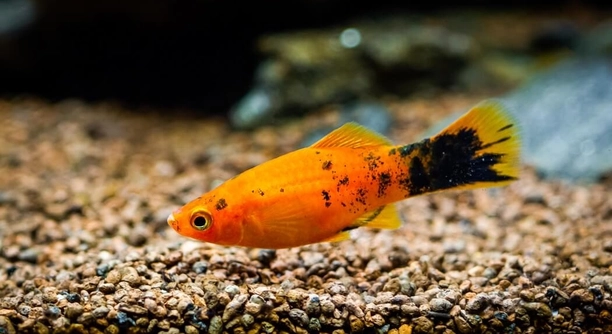
Do you ever notice your platies swimming calmly before settling down for the night? These small, colorful fish are common in home aquariums and often display interesting resting habits. Understanding their sleeping behavior can help improve their care and environment.
Platies do not consistently sleep in the same exact spot each night. Instead, they tend to rest in safe, sheltered areas within the tank, such as near plants or decorations, adjusting their position based on comfort and security rather than strict routine.
Learning about where and how platies rest can enhance your aquarium setup and promote healthier fish behavior. This article will explain what influences their sleeping spots and how to provide a suitable environment for them.
Where Do Platies Prefer to Rest?
Platies usually look for quiet, sheltered areas within the tank to rest. These spots often include places near plants, rocks, or aquarium decorations. The presence of hiding spaces helps them feel safe from potential threats. Platies are small and naturally cautious fish, so they prefer resting where they can stay partially hidden. The lighting in the tank also affects their choice. They tend to avoid bright, open spaces and instead settle in dimmer areas during their resting periods. This behavior helps them reduce stress and conserve energy. As a result, providing plenty of cover and calm areas in your aquarium encourages your platies to relax comfortably. Observing where your fish rest can give you clues about how secure they feel in their environment and whether the tank setup suits their needs.
These resting spots are not fixed, as platies move based on comfort and changes in their tank environment.
Giving platies plenty of plants and decorations will support their natural resting behavior. Safe areas reduce stress and promote healthy fish activity during the day and night.
Factors Affecting Platies’ Sleeping Habits
Platies’ sleeping habits are influenced by several environmental factors. Water temperature plays a big role; they prefer stable, moderate temperatures to feel comfortable enough to rest. Light cycles also matter, as platies are sensitive to changes in light and darkness. Sudden bright lights or too much light can disturb their rest. Tank size and population density impact where and how they rest as well. In crowded tanks, platies might have to find less ideal resting spots. Additionally, the presence of other fish species can affect their behavior. Aggressive tank mates might cause platies to be more alert and less willing to settle in one place for long. Providing a consistent environment with gentle lighting and a balanced community helps platies develop regular resting patterns.
A calm, stable tank environment improves their overall comfort and encourages healthy rest.
Keeping the water clean and maintaining a peaceful tank atmosphere helps platies feel secure and sleep better. Adjust lighting gradually to mimic natural day-night cycles. This approach supports their natural rhythms and keeps them relaxed.
How to Create a Comfortable Sleeping Area for Platies
Providing plenty of plants and hiding spots is essential for platies to rest comfortably. Soft, leafy plants offer both shelter and security.
Adding live or artificial plants gives your platies a place to settle without feeling exposed. Decorations like small caves or smooth rocks can also create safe zones. Avoid sharp or rough objects that might harm them during rest. Position plants and decorations to break up open areas, reducing stress from bright light or tank activity. Regularly check that these resting spots remain clean and free from debris to keep the environment healthy.
By arranging the tank thoughtfully, you encourage natural behavior and help platies feel secure. This setup allows them to rest peacefully, which supports their health and well-being over time.
Common Signs That Indicate Platies Are Resting
When platies rest, they often become less active and may hover near their chosen spot. Their movements slow, and they may tuck their fins close to their bodies.
You might notice them staying near plants or decorations for longer periods without swimming actively. Their colors can sometimes become less vibrant during rest, signaling a state of calm. Platies rarely lie completely still but show reduced activity, indicating they are not stressed or disturbed. Understanding these signs helps ensure your fish are comfortable and resting properly.
If you see your platies behaving differently, it might mean the tank environment needs adjustment. Keeping an eye on these behaviors supports better fish care and tank management.
How Often Do Platies Rest?
Platies usually rest several times throughout the day and night. Their rest periods tend to be short but frequent.
They do not sleep continuously like mammals. Instead, they take brief pauses to conserve energy and stay alert to their surroundings.
Impact of Tank Lighting on Platies’ Rest
Lighting affects platies’ resting habits significantly. Bright lights can cause stress and reduce their willingness to settle. Using a light timer to simulate natural day and night cycles helps maintain their regular rest patterns. Dim lighting or shaded areas in the tank encourages platies to rest comfortably without feeling threatened.
Adjusting Rest Spots When Tank Changes
Platies may change their resting spots if the tank environment is altered. Adding new decorations or rearranging plants can prompt them to find new comfortable places.
Monitoring Platies’ Rest Patterns
Regular observation of platies’ rest habits helps identify any stress or health issues early.
FAQ
Do platies need complete darkness to sleep?
Platies do not require complete darkness to rest, but they do prefer dim lighting or shaded areas. Bright lights can cause stress and make it harder for them to settle. A consistent light cycle with periods of low light or darkness helps mimic their natural environment and supports healthy rest.
How long do platies typically rest each day?
Platies rest intermittently throughout the day and night in short periods rather than in one long sleep. These rest periods help conserve energy while allowing them to stay alert to potential threats. On average, they may rest several times a day for a few minutes to an hour.
Can platies sleep while swimming?
Yes, platies often rest while remaining upright and gently floating or swimming slowly. They do not have eyelids, so they don’t close their eyes. Instead, reduced movement and calmer behavior indicate they are resting rather than actively swimming.
What signs show that platies are stressed and not resting well?
Signs of stress include rapid swimming, hiding constantly without resting, loss of color, and erratic behavior. If platies avoid resting areas or show unusual activity at night, this may indicate stress or poor tank conditions that need attention.
Does tank size affect where platies sleep?
Tank size can influence resting spots because larger tanks offer more options for shelter and hiding places. Smaller tanks with fewer decorations may limit safe resting areas, causing platies to feel less secure. Providing ample plants and decorations helps even in smaller tanks.
Can tank mates disturb platies’ rest?
Yes, aggressive or very active tank mates can disturb platies and make it difficult for them to find peaceful resting spots. It’s important to choose compatible fish species that coexist peacefully, allowing platies to feel safe enough to rest.
Are artificial plants as good as live plants for platies’ resting needs?
Artificial plants can provide hiding spots but do not offer the same benefits as live plants, such as improving water quality. Both types provide shelter, but live plants create a more natural environment that supports platies’ overall well-being.
Should I change the tank setup if my platies aren’t resting well?
If platies seem restless or stressed, rearranging decorations or adding more plants can help. Adjusting lighting and maintaining good water quality are also important. Observing their behavior before and after changes will show what works best.
Do platies need a night light or total darkness?
Platies do best with a natural day-night cycle. Total darkness during their rest period is ideal, but a very dim light is acceptable if it doesn’t cause stress. Avoid constant bright lighting at night to help maintain their natural rhythms.
How can I tell if my platies are healthy based on their resting habits?
Healthy platies will rest calmly in sheltered spots with reduced activity during rest times. Sudden changes in resting behavior, such as constant hiding or excessive activity, can indicate health issues or stress that may require intervention.
Platies are small, lively fish that show interesting resting habits. They do not sleep in the same exact spot every night but tend to choose safe, sheltered areas within their tank. These spots often include places near plants or decorations where they can feel secure. Their resting behavior is influenced by the tank environment, such as lighting, water temperature, and the presence of other fish. By understanding these factors, you can create a comfortable space that encourages your platies to rest well and stay healthy.
Providing a suitable tank setup is important for the well-being of your platies. Including plenty of plants, rocks, or caves gives them places to hide and rest. The lighting should mimic natural day and night cycles, avoiding bright or harsh lights during their resting time. Clean water and a calm tank environment reduce stress, which helps your fish relax and maintain normal resting habits. Watching how your platies behave will give you clues about their comfort level and health, allowing you to make adjustments if needed.
Overall, paying attention to where and how your platies rest helps ensure they are comfortable and healthy in their home. While they don’t have fixed sleeping spots, they do need quiet and safe areas to take breaks. Small changes to your aquarium setup can improve their rest and reduce stress. With proper care, your platies can thrive and show their natural behaviors, making your aquarium a peaceful and enjoyable environment for both you and your fish.

Hello,
If you enjoy the content that we create, please consider saying a "Thank You!" by leaving a tip.
Every little bit helps us continue crafting quality advice that supports the health, happiness, and well-being of pets around the world, for pets of all shapes, sizes, and species.
We really appreciate the kindness and support that you show us!