
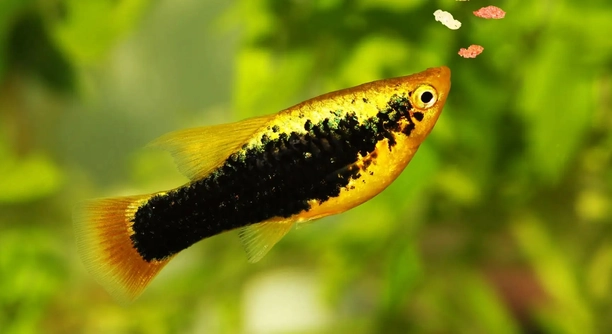
Platies are small, colorful fish often kept in home aquariums. They usually live in groups and show interesting social behaviors. Many fish owners wonder if these lively creatures form lasting bonds with their group members.
Platies exhibit social interactions but do not demonstrate strong loyalty to their group. Their behavior is mostly driven by safety and environmental factors rather than long-term attachment or recognition of individual group members.
Understanding platies’ social habits can help aquarium enthusiasts create a more harmonious environment for their fish and improve their overall care.
Social Behavior of Platies in Groups
Platies are social fish that prefer to stay in groups rather than alone. In a tank, they swim together and often follow each other, which helps reduce stress and makes them feel safer. These fish show signs of hierarchy, where some platies may be more dominant, but this doesn’t mean they form close bonds. Their interactions are more about convenience and survival than loyalty. When threatened or stressed, platies quickly scatter or hide instead of protecting each other. They use visual cues and body language to communicate basic needs, such as when to feed or when to avoid danger. Although they recognize the presence of other fish, they do not remember individual members or act to defend them. In a peaceful tank, their group behavior creates a lively and dynamic environment, but it’s mostly about coexistence rather than strong attachment.
Platies’ social behavior is driven more by safety than emotional connections within the group.
Recognizing this can help you manage your tank better. When setting up a community tank with platies, it’s important to provide hiding spots and enough space to reduce stress. Understanding that platies don’t rely on loyalty means you should focus on maintaining a calm environment rather than expecting them to form tight groups. Regular water changes and a stable environment encourage peaceful interactions, even if loyalty isn’t part of their behavior. This practical approach keeps the fish healthy and active.
How Environment Affects Group Dynamics
The environment plays a major role in how platies behave within their group.
A well-maintained tank reduces aggression and supports social harmony among platies.
Tank size, decorations, and water quality all impact platies’ group interactions. In cramped or poorly maintained tanks, platies can become stressed, leading to more chasing and hiding. With enough space and plants or rocks for shelter, they tend to swim more calmly and interact peacefully. Clean water with balanced temperature also supports their natural behavior. Changes in the environment, like introducing new fish or rearranging decorations, can temporarily disrupt group dynamics. Platies need time to adjust to these changes, and stress during this period may affect their social patterns. Overall, a stable and comfortable environment encourages platies to behave normally, even if they don’t form strong bonds. Knowing how the surroundings influence them can help keep your fish healthy and their group more peaceful.
Recognizing Individual Platies
Platies do not show clear signs of recognizing individual group members. They react mainly to the presence of others, not specific fish.
Their social responses are based on movement and general group behavior rather than personal recognition. Unlike some animals, platies don’t remember or distinguish between individual tank mates over time. This means they won’t show favoritism or form bonds like mammals or birds might. Instead, their interactions focus on staying safe within the group and finding food. The lack of individual recognition also means platies won’t defend or assist a specific member in stressful situations.
This behavior is typical for many small schooling fish, where the priority is group safety rather than personal relationships. Understanding this can help when mixing platies with other species or managing their social structure in a tank.
Impact of Group Size on Behavior
The size of a platy group affects how they behave and interact with each other. In small groups, platies may be more active and visible because there are fewer fish to share space and resources. They tend to explore their surroundings more and establish simple hierarchies quickly. In larger groups, social interactions can become more complex, with fish spreading out and sometimes showing mild competition for food or territory. However, bigger groups also provide better safety in numbers, reducing individual stress. It’s important to keep a balanced group size to avoid overcrowding, which can lead to aggression or health problems. A well-sized group helps maintain peaceful behavior and supports their natural social needs.
Signs of Stress in Platies
Platies show stress by hiding more often and swimming erratically. They may lose color or stop eating.
Stress can also cause increased aggression among tank mates or frequent darting around the tank. Watching for these signs helps keep the group healthy.
How to Reduce Stress in Groups
Maintaining clean water and providing plenty of hiding places reduces stress in platy groups. Stable temperatures and a balanced diet also support their well-being. Avoid overcrowding to prevent tension and promote peaceful interactions. These steps help platies feel secure in their environment.
Feeding Behavior in Groups
Platies often compete lightly for food but rarely show aggressive feeding behavior. They quickly learn feeding times and gather together, which helps maintain order during meals. Providing enough food evenly distributed keeps peace during feeding and supports healthy growth.
Group Compatibility With Other Fish
Platies usually get along well with other peaceful fish. Avoid keeping them with aggressive or much larger species to prevent stress and injuries. Proper tankmates help maintain a calm and balanced aquarium environment.
Do platies form strong bonds with other fish?
Platies do not form strong bonds like some mammals or birds do. Their social behavior is mostly about safety in numbers and shared space rather than emotional attachment. While they swim together and follow group movement, they don’t recognize or prefer specific individuals. Their interaction is practical, not personal.
Can platies recognize their owners?
Platies can learn to recognize their owners by sight or feeding routines. They may swim to the front of the tank when someone approaches if they associate that person with food. However, this recognition is limited and based mostly on routine rather than affection or loyalty.
How many platies should be kept together?
It’s best to keep platies in groups of at least five to reduce stress and encourage natural social behavior. Smaller groups may feel insecure, while very large groups can lead to overcrowding. Providing enough space for the group is important to avoid aggression or stress.
What happens if a platy is isolated?
Isolating a platy can cause stress because they rely on group presence for comfort and safety. Alone, they may hide more and become less active. Keeping platies in groups helps them stay lively and healthy.
Do platies defend their group members?
Platies do not defend individual group members. Their responses to threats focus on personal survival, often by fleeing or hiding. Group defense behavior is not common in platies, unlike in some other fish species.
How can you tell if platies are stressed?
Signs of stress include hiding, loss of color, lack of appetite, and erratic swimming. Increased aggression and rapid breathing can also be indicators. Stress often results from poor water quality, overcrowding, or aggressive tankmates.
What is the best way to introduce new platies to a group?
Introduce new platies slowly and carefully to avoid stress and aggression. Quarantine new fish first, then add them during feeding times or when the group is calm. Rearranging tank decorations before introduction can help reduce territorial behavior.
Do platies interact differently with other species?
Platies tend to be peaceful and can coexist with other calm fish species. They don’t form close bonds with other species but can tolerate them if the environment is peaceful and resources are sufficient.
Is tank size important for platy groups?
Tank size is very important. A small tank can cause stress, aggression, and health issues. Providing at least 20 gallons for a small group helps ensure enough space for swimming and hiding, which supports natural social behavior.
Can platies live with aggressive fish?
It’s not recommended to keep platies with aggressive fish. Aggression causes stress and injury, disrupting their social group and well-being. Stick to peaceful tankmates to maintain a calm and safe environment for platies.
Platies are social fish that enjoy living in groups, but their sense of loyalty to each other is limited. They do not form deep or lasting bonds like some animals might. Instead, their group behavior is mainly about safety and comfort in numbers. Platies swim together and interact with each other to reduce stress and avoid danger, but they don’t seem to recognize or defend specific group members. Understanding this can help when caring for them in a tank, so expectations about their social behavior are realistic.
Creating a good environment is key to helping platies feel secure and behave naturally. Providing enough space, clean water, and places to hide reduces stress and keeps the group peaceful. Platies do best in groups of five or more, which gives them a sense of safety and allows them to display their social habits. Overcrowding or mixing them with aggressive fish can cause tension and harm their well-being. Paying attention to their tank conditions and group size makes a big difference in how platies act and thrive.
In the end, platies offer lively and interesting behavior without strong loyalty between individuals. Their social interactions are simple but effective for their survival and comfort. By meeting their basic needs and keeping a stable environment, you can enjoy watching their natural group behaviors without expecting close emotional bonds. Knowing what to expect helps create a happy and healthy home for these charming little fish.

Hello,
If you enjoy the content that we create, please consider saying a "Thank You!" by leaving a tip.
Every little bit helps us continue crafting quality advice that supports the health, happiness, and well-being of pets around the world, for pets of all shapes, sizes, and species.
We really appreciate the kindness and support that you show us!