
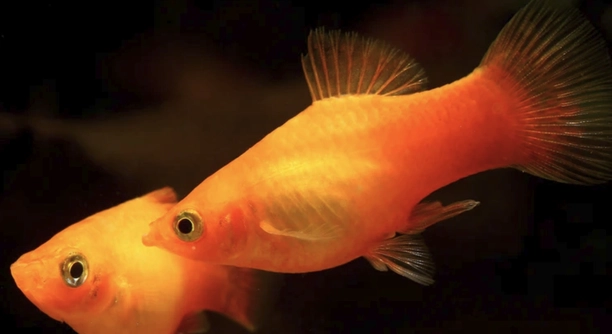
Have you ever watched your platies swim around and wondered if they actually like being with their tankmates or just tolerate them?
Platies do not show affection in the way mammals do, but they exhibit peaceful and social behaviors that suggest a preference for companionship. These fish often swim in groups and engage in mild social interactions within their aquatic environment.
While their actions may seem subtle, understanding the nature of platy behavior can help you create a more comfortable and social space for them.
Understanding Platy Social Behavior
Platies are peaceful fish that enjoy being around others of their kind. They are not aggressive and usually get along well in community tanks. Although they don’t form strong emotional bonds, they do display group behavior that suggests a social preference. You’ll often see them swimming together, especially when they feel comfortable in their environment. This shoaling behavior isn’t a sign of affection in the way humans express it, but it does reflect a sense of safety and familiarity. Platies also respond to other fish through simple cues like movement or feeding patterns, helping them adjust to their tankmates. Their calm nature makes them ideal for mixed aquariums. When kept alone, platies can seem less active, which may be a sign they feel insecure or stressed. Including other peaceful fish in the tank helps maintain a balanced space. This type of interaction shows they prefer not to be isolated.
Platies thrive in small groups and tend to follow each other, which can look like bonding, even though it’s more about instinct than emotion.
Social habits in platies are more about survival and comfort than emotional closeness. Still, their preference for group settings shows they function best with tankmates nearby.
How to Support Platy Interactions
Platies don’t need affection, but they do benefit from having other peaceful fish around them. Keeping them with similar species helps reduce stress and keeps them more active.
To help your platies interact comfortably, set up the tank with enough space and hiding spots. A well-planted aquarium gives them places to explore and retreat when needed. Keep a ratio of at least three to five platies to allow group behaviors to develop naturally. They feel more at ease when they can shoal. Make sure tankmates are non-aggressive, as platies avoid confrontation and may become stressed in tense environments. Ideal companions include mollies, guppies, and cory catfish. Feed them at the same time every day to build routine and minimize competition. Avoid overstocking the tank, as overcrowding can lead to unhealthy behaviors. Proper care and attention to the tank setup help support healthy interactions, making life better for your platies and their tankmates.
Signs Your Platies Feel Comfortable Around Tankmates
Platies that feel safe often swim in the open, explore the tank, and follow each other calmly. They don’t hide for long periods or show signs of aggression. Peaceful swimming is a good indicator that they feel at ease with their surroundings and tankmates.
Another sign your platies feel comfortable is steady eating habits. When they feed without hesitation and don’t rush or fight over food, it shows they trust the environment. Calm swimming near other fish and resting without stress near the bottom or plants also reflect a relaxed state. If they dart around or hide often, something in the tank may be making them uncomfortable. Regular group behavior, especially gentle following or mimicking movements, shows they are socially adjusted. Watching these patterns helps you know if anything is off. Healthy platies are active but not frantic and interact without fear.
When your platies recognize tankmates as non-threatening, they behave in more predictable ways. They may swim alongside other fish and remain curious about their surroundings. These interactions aren’t affectionate, but they do indicate balance. If a platy is regularly separated or chased, that’s a sign of stress or discomfort. Proper social behavior relies on keeping the tank calm and consistent.
Behaviors That Can Be Misunderstood
Sometimes, a platy chasing another may look playful, but it’s often a display of dominance or related to breeding. Males may chase females, especially in uneven sex ratios. This isn’t aggression, but it can cause stress if frequent.
Nipping at fins or persistent following might seem like attention, but it usually means one fish is bothering another. These behaviors can happen more often in crowded tanks or when fish feel confined. Also, swimming near another fish isn’t always a social gesture—it may be about curiosity or territory. Watching your fish over time helps you know what’s normal and what needs attention. Providing space, keeping tank conditions stable, and monitoring how your platies act each day helps keep confusion low. By learning their patterns, you can better tell the difference between true calm behavior and signs of discomfort, making it easier to spot and fix any issues early.
What Makes Platies Feel Stressed
Sudden changes in water temperature or pH can make platies uncomfortable. Stress often shows up through hiding, loss of appetite, or sudden darting. Overcrowding the tank or keeping them with aggressive fish also increases stress levels quickly.
Bright lights and constant noise can bother platies. They prefer a calm, stable environment with gentle lighting and minimal disruptions. Poor water quality is another major cause of stress and should be checked regularly with test kits.
Why Tankmate Choice Matters
Choosing the right tankmates helps keep your platies calm and active. Peaceful fish with similar temperaments allow platies to swim freely without fear. Avoid placing them with aggressive or fin-nipping species like bettas or tiger barbs. It’s also important to keep a balanced ratio of males to females to reduce constant chasing. A ratio of one male to two or three females works best. Placing your platies with slow-moving, non-territorial fish lets them interact more naturally. When tankmates respect each other’s space, your platies are more likely to display healthy group behaviors, stay active, and eat well. Their comfort depends largely on the tank community around them.
When to Watch for Problems
If a platy isolates itself or shows torn fins, it may be reacting to stress or bullying. Keep an eye on changes in behavior or eating habits.
Do platies form bonds with their tankmates?
Platies do not form bonds in the emotional way mammals or birds might. Their interactions are mostly based on comfort and instinct. They prefer being in groups because it feels safer, not because they seek affection. Being in a group helps reduce stress and encourages natural behaviors, but it’s not the same as forming a close relationship.
Can platies recognize individual tankmates?
Platies don’t have strong recognition skills like some other animals. They may notice familiar fish by movement patterns or size, but they don’t distinguish individuals deeply. Their social behavior is more about group dynamics and less about individual recognition.
How do platies show they like their tankmates?
Platies show comfort by swimming together calmly and sharing space without aggression. They may follow one another or feed near each other. These behaviors suggest a peaceful coexistence rather than affection.
Is it okay to keep a single platy alone?
Keeping a single platy alone is possible, but not ideal. They tend to be less active and may show signs of stress when isolated. Having at least three platies helps them feel more secure and encourages natural social behavior.
What tankmates are best for platies?
Platies do well with other peaceful fish like guppies, mollies, and cory catfish. Avoid aggressive or very territorial species. Slow-moving fish with similar water needs make good companions and help keep the tank balanced.
Why do platies chase each other?
Chasing among platies is often related to mating behavior or dominance, especially with males chasing females. This is normal but can cause stress if too frequent. Keeping a higher number of females can reduce chasing intensity.
Can platies show signs of stress toward tankmates?
Yes, platies can hide, stop eating, or act skittish if stressed by tankmates. Aggressive or fast-moving fish nearby may cause stress. It’s important to monitor their behavior and adjust the tank setup if needed.
How important is tank size for platy social behavior?
Tank size greatly affects platies’ social comfort. Larger tanks allow more space to swim and avoid conflicts. Small tanks can cause overcrowding and stress. Providing at least 20 gallons for a small group is recommended.
Do platies prefer planted tanks?
Platies feel safer in tanks with plants because they offer hiding spots and reduce stress. Plants also help improve water quality. A well-planted tank supports their natural behavior and makes them more active.
How can I tell if my platies are happy?
Happy platies swim actively, eat well, and explore their tank without hiding. They interact calmly with other fish and show smooth, steady movements. Lack of sudden darting or hiding indicates comfort. Regular observation helps spot any changes early.
What should I do if platies fight?
If platies fight, check for causes like overcrowding or uneven male-to-female ratios. Separating aggressive fish or increasing tank size can help. Ensuring plenty of plants and hiding places also reduces tension.
Can platies live with other types of fish?
Yes, platies can live with many peaceful community fish, but avoid very small or slow-moving species that might be stressed by more active platies. Research compatibility before adding new fish to maintain harmony.
How does water quality affect platy behavior?
Poor water quality stresses platies and can cause illness or aggression. Keep the tank clean, monitor parameters regularly, and perform water changes. Healthy water supports calm behavior and good social interactions.
Do platies need special care to get along with tankmates?
No special care is needed beyond proper tank conditions and compatible fish choices. Maintaining a stable environment, balanced numbers, and clean water are key. Attention to their behavior helps catch problems early.
Can platies show affection in any way?
Platies don’t show affection like pets that bond with humans, but their social behaviors reflect comfort and security with tankmates. Calm swimming together and peaceful coexistence indicate a positive environment rather than affection.
Platies are peaceful fish that enjoy living with others of their kind. While they don’t show affection in the way some pets do, they do prefer to be around tankmates. Being in a group helps them feel safer and more secure in their environment. When kept alone, platies may seem less active or stressed, which shows how much they rely on social settings. Their calm swimming and shared space with other peaceful fish indicate that they are comfortable and well-adjusted. Understanding these behaviors can help you create a better home for your platies.
Creating a comfortable tank for platies means paying attention to the tank size, water quality, and the types of fish living with them. Larger tanks give platies room to swim freely and avoid stress. Keeping the water clean and stable helps prevent illness and aggressive behavior. Choosing peaceful tankmates that have similar needs supports the social nature of platies. It’s also important to provide plants or hiding spots in the tank, which offer safe areas and reduce tension. These details all work together to encourage healthy group behavior and keep platies calm.
Watching your platies closely will help you notice if they are stressed or uncomfortable. Signs like hiding, fast swimming, or changes in eating habits may mean something is wrong. Adjusting tank conditions or changing tankmates can improve their well-being. While platies don’t show affection as some animals do, they do show signs of comfort and safety in groups. Making sure their environment suits their needs helps them live active and peaceful lives. With proper care, your platies can thrive and share their space happily with others.

Hello,
If you enjoy the content that we create, please consider saying a "Thank You!" by leaving a tip.
Every little bit helps us continue crafting quality advice that supports the health, happiness, and well-being of pets around the world, for pets of all shapes, sizes, and species.
We really appreciate the kindness and support that you show us!