
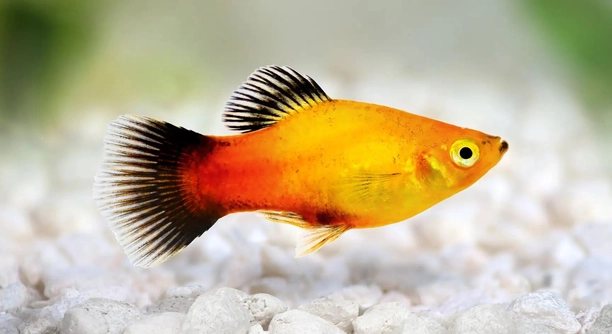
Platies are popular freshwater fish known for their bright colors and peaceful nature. Many people enjoy keeping them in community tanks with other species. Their behavior around tank mates can often be quite interesting to observe.
Platies do show signs of affection toward their tank mates through gentle nipping, swimming close together, and mimicking movements. These social behaviors indicate bonding and comfort, contributing to a harmonious aquarium environment where fish feel secure and connected.
Understanding how platies interact with other fish helps improve tank conditions and promotes healthier, more peaceful communities. The details of their social habits reveal much about their care and well-being.
How Platies Communicate Affection
Platies often use body language to express comfort and affection with their tank mates. When they swim side by side or gently nip at one another, it is a sign of bonding. These behaviors are not aggressive but rather ways to establish social connections. You might notice them following each other or resting near one another, which indicates trust. Platies also respond to their environment by mirroring movements, showing awareness of their companions. This kind of interaction helps reduce stress and creates a peaceful atmosphere in the tank. Watching these subtle signs can give insight into how well your fish are adapting and feeling safe. Maintaining a stable environment with clean water and enough space encourages these social behaviors, allowing platies to thrive and form meaningful relationships with their tank mates.
This natural communication enhances harmony among different species and promotes a calm, balanced aquarium setting.
Recognizing these behaviors is important for tank maintenance and ensuring your fish’s well-being. Observing the way platies interact can guide you in making adjustments to their environment, such as improving tank size or adding plants for shelter. These steps encourage healthy relationships and reduce conflicts in mixed-species tanks.
Signs to Look for When Platies Show Affection
Platies show affection mostly through non-aggressive behaviors that strengthen bonds.
Gentle swimming patterns and close proximity are key signs of their connection. They may nuzzle or lightly nip as a social gesture, not to harm. These behaviors are subtle and often easy to miss unless carefully observed. Platies also engage in synchronized swimming, which reflects comfort and familiarity among tank mates. Their peaceful nature means these actions help build trust and reduce territorial disputes. A well-maintained tank environment supports these interactions by providing space and hiding spots, preventing stress and encouraging positive social behavior. Noticing these signs allows fishkeepers to understand the dynamics within the tank better and to ensure all fish coexist peacefully.
Tank Conditions That Encourage Affection
Proper tank conditions play a big role in how platies interact.
A clean tank with stable water parameters helps reduce stress, allowing platies to be more social and affectionate. Regular water changes and maintaining the right temperature between 72-78°F keep them comfortable. Overcrowding can cause aggression, so it’s important to provide enough space for each fish.
Providing plants and hiding spots also encourages natural behavior. These areas give platies places to feel secure, making them more likely to show gentle interactions. A peaceful environment helps platies build trust with their tank mates and reduces territorial disputes.
Compatibility with Other Fish Species
Platies are generally peaceful and get along with many community fish.
They thrive with species like guppies, mollies, and tetras that share similar water needs and temperaments. Avoid aggressive or very large fish, as these can stress platies and prevent affectionate behaviors. When choosing tank mates, consider fish that are active but not overly territorial to maintain harmony.
A well-chosen mix promotes positive social interactions and reduces conflicts. This balance encourages platies to express their natural affectionate behaviors more openly.
How to Encourage Affection Among Platies
Creating a calm environment encourages platies to be more social.
Keeping consistent lighting and a regular feeding schedule helps them feel secure. Avoid sudden changes that can cause stress and reduce their natural affectionate behavior.
Recognizing Stress in Platies
Stress can prevent platies from showing affection. Signs include hiding, loss of appetite, and erratic swimming.
Stress often results from poor water quality, overcrowding, or aggressive tank mates. Addressing these issues quickly helps restore their natural behavior and encourages positive interactions within the tank.
Feeding and Affection
Feeding time often increases social behaviors among platies as they gather and interact around food.
Regular feeding with balanced nutrition supports their health and encourages bonding with tank mates.
Observing Social Dynamics
Watching your platies regularly helps you understand their social interactions and health.
FAQ
Do platies show affection to each other?
Yes, platies often display affectionate behaviors toward their tank mates. They swim closely together, gently nip, and sometimes follow one another around the tank. These actions help build social bonds and create a peaceful atmosphere in the aquarium. It is a sign that the fish feel safe and comfortable with each other.
How can I tell if my platies are stressed?
Signs of stress include hiding frequently, refusing food, and erratic swimming patterns. Stressed platies may also lose their bright coloration. Stress usually comes from poor water quality, overcrowding, or aggressive tank mates. Maintaining clean water and a stable environment helps reduce stress and encourages healthy social behavior.
What tank size is best for platies?
A minimum of 10 gallons is recommended for a small group of platies. Larger tanks provide more space, reducing territorial behavior and stress. Giving your fish plenty of room supports their natural social interactions and promotes affectionate behavior.
Can platies live with other fish species?
Yes, platies are peaceful and usually compatible with other non-aggressive fish like guppies, mollies, and tetras. It is important to avoid aggressive or very large fish that may intimidate or harm them. Choosing compatible tank mates helps maintain a calm environment where platies feel secure.
Do platies require special plants or decorations?
While not required, live plants and hiding spots greatly benefit platies. These additions create natural shelters and reduce stress by giving fish places to retreat. Plants also improve water quality, further supporting the health and social behavior of your fish.
How often should I feed my platies?
Feeding platies once or twice a day with high-quality flakes or pellets is sufficient. Offering a varied diet including vegetables and occasional live or frozen foods supports their overall health. Healthy fish are more likely to engage positively with tank mates.
Will platies fight over food?
Platies are generally peaceful feeders, but competition can happen in crowded tanks. Feeding small amounts multiple times a day helps reduce aggression and allows all fish to get enough food. Observing feeding behavior can help you adjust portions and frequency.
How can I encourage my platies to be more social?
Maintaining good water quality and a stable environment is key. Avoid overcrowding and aggressive tank mates. Providing plants and decorations gives them places to feel safe. Regular, consistent feeding routines also encourage social behavior and bonding.
Do platies recognize their owners?
Platies may not recognize individuals like pets such as dogs or cats, but they can learn to associate people with feeding times. They often swim to the front of the tank when someone approaches, showing familiarity and trust in their caregiver.
Can platies breed in a community tank?
Yes, platies breed easily in community tanks. They are livebearers, meaning they give birth to free-swimming young. If you want to protect the fry, adding plenty of plants or a separate breeding tank is recommended. Otherwise, adult fish might eat the babies.
Platies are lively and social fish that often show gentle behaviors toward their tank mates. Their actions like swimming closely, light nipping, and mirroring movements are signs of bonding and comfort. These interactions are important because they help create a peaceful environment in a community tank. When platies feel safe and relaxed, they are more likely to display these affectionate behaviors. This makes watching them a rewarding experience for fishkeepers. Understanding how platies express affection can improve the way we care for them, ensuring they stay healthy and happy in their aquatic home.
Creating the right tank conditions is key to encouraging these social behaviors. Clean water, proper temperature, and enough space all contribute to reducing stress in platies. Overcrowded or dirty tanks can cause fish to act withdrawn or aggressive, which prevents them from showing affection. Adding plants and hiding spots also helps by providing places where platies feel secure. These environmental factors support natural behaviors and improve the overall health of the fish. Paying attention to these details makes a noticeable difference in how platies interact with each other and with their tank mates.
In addition to the environment, choosing compatible tank mates is crucial. Platies do best with peaceful species that have similar needs. Aggressive or very large fish can cause stress and block affectionate behavior. Feeding routines and watching for signs of stress also play a role in maintaining harmony. Healthy, well-fed fish are more social and comfortable. By observing your platies regularly and making small adjustments to their care, you help foster a calm and affectionate community. This ensures your tank remains a pleasant space for both the fish and their caretaker.

Hello,
If you enjoy the content that we create, please consider saying a "Thank You!" by leaving a tip.
Every little bit helps us continue crafting quality advice that supports the health, happiness, and well-being of pets around the world, for pets of all shapes, sizes, and species.
We really appreciate the kindness and support that you show us!