
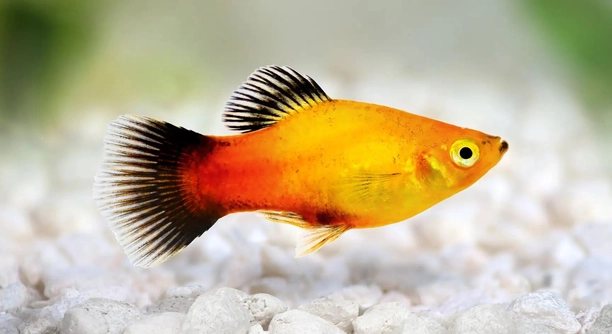
Many fish owners enjoy watching their platies swim and interact in their tanks. Platies are small, colorful fish that bring life to home aquariums. Understanding their behavior helps create a more enjoyable environment for these pets.
Platies do show signs of affection through behaviors like following each other, gentle nipping, and swimming close together. These actions indicate social bonding and comfort among platies, reflecting their natural tendency to form friendly groups.
Recognizing these subtle signs can deepen your connection with your platies and improve how you care for them daily.
How Platies Show Affection
Platies express affection mostly through their behavior around other fish. They often swim close to each other, showing comfort and trust. You might notice them following one another around the tank, which is a sign they enjoy each other’s company. Sometimes, they gently nip at fins or bodies, but this is usually playful rather than aggressive. When platies rest near each other or share the same hiding spot, it means they feel safe together. Watching these behaviors can be rewarding because it shows that your fish are not only healthy but socially engaged. Understanding their way of bonding helps you recognize when they are happy or stressed. Providing enough space and hiding places in the tank encourages these positive interactions. Observing your platies’ social behavior adds another layer of enjoyment to keeping these colorful fish.
Platies’ social behaviors are key indicators of their emotional state and help maintain tank harmony.
Spending time noticing how platies interact lets you better support their natural habits. When they show signs of affection, it means they feel secure and comfortable in their environment. This knowledge can improve how you set up and care for your aquarium, ensuring a peaceful space for all your fish.
Recognizing Signs of Stress in Platies
Stress in platies can look different from their affectionate behaviors.
When platies are stressed, they may hide more often or swim erratically. Changes in appetite or color fading also suggest discomfort. Stress often arises from poor water conditions, overcrowding, or sudden changes in the tank environment. Keeping water clean and stable helps reduce stress. Watching for these signs early allows you to adjust care before problems worsen.
Stress affects platies’ health and social behavior, making it important to address quickly.
Stress can cause platies to stop showing affection, isolating themselves or becoming aggressive. If water parameters are off, they might gasp at the surface or lose energy. Too many fish in a small tank can increase tension and fighting. Adjusting tank size, improving filtration, and maintaining regular water changes create a better environment. Reducing stress improves their well-being and encourages positive social interactions, making your aquarium a happier place.
How to Encourage Affectionate Behavior in Platies
Providing a calm and stable environment encourages affectionate behavior in platies.
Platies thrive in tanks with enough space, clean water, and plenty of hiding spots. Grouping platies together helps them feel secure and more likely to interact positively. Avoid sudden changes in water temperature or chemistry to reduce stress. Offering a balanced diet supports their health and energy levels, which promotes social behaviors. Watching their interactions regularly helps you notice changes in mood or health early.
Tank decorations like plants and caves give platies places to explore and feel safe. This security lets them display natural behaviors, including showing affection. Being consistent with tank maintenance and feeding routines creates a comfortable environment. The more relaxed your platies feel, the more likely they are to engage with each other and show signs of bonding.
Understanding Platies’ Social Needs
Platies are social fish that benefit from living with others of their kind.
They naturally form small groups or shoals, which provides safety and companionship. Keeping platies in groups of at least three reduces loneliness and encourages natural social behaviors. Isolated platies may become stressed or less active. A mixed tank can work, but make sure tank mates are peaceful and won’t intimidate them. Proper social conditions help platies feel comfortable, promoting their health and happiness.
Meeting social needs helps platies avoid stress-related issues and supports their affectionate nature. Group living allows them to develop bonds and display interactive behaviors that are important for their well-being. Creating the right social environment benefits the entire aquarium community and improves your experience as a fish keeper.
Common Misunderstandings About Platies’ Affection
Platies do not show affection the way mammals do.
Their behaviors can be subtle and easily mistaken for aggression or indifference. Recognizing their gentle signs is important to understand their social nature correctly.
Why Platies Sometimes Appear Distant
Platies may seem distant due to stress, illness, or tank conditions. When uncomfortable, they tend to hide or avoid interaction. It is important to monitor water quality, temperature, and tank mates to ensure a stress-free environment. Addressing these factors helps platies feel secure and more likely to show social behavior, including affection. Regular observation can catch problems early and improve their comfort.
Feeding and Affection Link
A well-fed platy is more likely to display positive social behaviors.
Do platies recognize their owners?
Platies do not recognize humans like pets such as dogs or cats might. However, they can learn to associate a person’s presence with feeding time. Over time, platies may swim toward the front of the tank when you approach, showing a level of recognition tied to routine and food rather than affection. This behavior is more about expectation than emotional bonding.
How can I tell if my platy is happy?
A happy platy will swim actively and interact with other fish. They show normal coloration and feed well. Social behaviors like swimming together or resting near each other suggest comfort. Bright colors and clear eyes also indicate good health. Watching their daily behavior helps you notice when they feel secure and content in their environment.
Can platies get lonely?
Yes, platies are social fish that do best in groups. Keeping a single platy alone can lead to stress and reduced activity. They naturally swim in shoals, so having at least two or three together supports their social needs. Group living encourages natural behaviors and keeps them mentally stimulated.
Do platies show affection only to their own kind?
Platies mainly show social behaviors toward other platies. They may also interact peacefully with other peaceful fish species, but their bonding actions are strongest within their own kind. Affectionate behaviors like following and gentle nipping happen mostly among platies.
What behaviors show that platies are bonding?
Bonding in platies includes swimming side by side, following one another, and sharing hiding spots. Gentle nipping or nudging is a form of social interaction, not aggression. These actions help build trust and establish social order within the group.
How important is tank size for platy social behavior?
Tank size greatly affects how platies interact. A small tank can cause stress and limit movement, reducing positive social behavior. Providing at least 10 gallons for a small group ensures enough space for swimming and hiding. This space supports natural bonding and reduces aggression.
Can platies become aggressive if they don’t show affection?
Sometimes lack of social interaction or overcrowding can lead to aggression in platies. Aggression is often a sign of stress, poor environment, or imbalance in the group’s social structure. Improving tank conditions and ensuring proper group size usually reduces aggressive behaviors.
Do platies show affection differently during breeding?
During breeding, male platies may follow females more closely and display more active behaviors. This increased interaction is part of courtship but also reflects social bonding. After breeding, affectionate behaviors may continue within the group but can decrease if stress arises.
How does diet affect platies’ social behavior?
A balanced diet keeps platies healthy and energetic, supporting normal social behavior. Poor nutrition can cause lethargy and reduce interaction. Feeding a variety of foods, including flakes, pellets, and occasional live or frozen treats, promotes good health and positive social signals.
Are there signs that a platy is stressed and less likely to show affection?
Signs of stress include hiding, loss of appetite, dull coloration, and erratic swimming. Stressed platies tend to isolate themselves and avoid social interaction. Addressing water quality, tank mates, and diet helps reduce stress and encourages normal affectionate behavior.
Can platies show affection to other fish species?
Platies are generally peaceful and may interact gently with other peaceful fish, but their affectionate behaviors are mostly directed toward their own species. They may swim near other fish but usually do not bond deeply with different species.
How often should I observe my platies to understand their behavior?
Regular daily observation helps you understand platy behavior. Even short periods of watching can reveal social interactions, feeding habits, and health issues. The more you observe, the better you can meet their needs and notice changes early.
What should I do if my platies don’t show affection?
First, check the tank conditions—water quality, temperature, and space. Make sure the group size is appropriate and that they have enough hiding spots. Adjusting diet and reducing stressors often helps. Patience is key, as it can take time for platies to feel secure enough to show social behaviors.
Platies are small, peaceful fish that show affection mainly through their behavior with other platies. They don’t express feelings in the same way as pets like dogs or cats, but they do have ways of bonding and interacting that show comfort and trust. Watching them swim close together, follow each other, or rest near one another are good signs they feel safe and happy. Understanding these signs helps fish owners better care for their platies and create an environment that supports their natural social needs.
Creating a healthy space for platies is important for encouraging affectionate behaviors. Clean water, stable temperatures, and enough room in the tank make a big difference in how your fish interact. Providing hiding spots with plants or decorations can also make platies feel secure and relaxed. Keeping them in small groups allows them to form social bonds and reduces stress. When platies are comfortable, they are more likely to show positive behaviors like swimming near each other and gentle nipping, which are signs of affection within their group.
It’s also important to pay attention to their diet and overall health because these factors influence their behavior. A well-fed, healthy platy has more energy and interest in interacting with others. Stress or illness can cause platies to hide or act distant, which makes it harder to see signs of affection. By maintaining proper tank conditions and feeding a balanced diet, you can help your platies stay healthy and social. Taking time to observe their behavior regularly will give you insight into their well-being and deepen your enjoyment of these lively, colorful fish.

Hello,
If you enjoy the content that we create, please consider saying a "Thank You!" by leaving a tip.
Every little bit helps us continue crafting quality advice that supports the health, happiness, and well-being of pets around the world, for pets of all shapes, sizes, and species.
We really appreciate the kindness and support that you show us!