
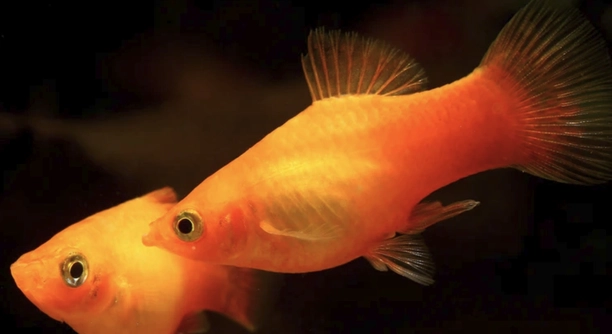
Have you ever watched your platy swim around and wondered if it could recognize its name the way a dog might?
Platies do not respond to their names in the way dogs or cats might. While they can recognize patterns and routines, their cognitive ability does not extend to understanding or reacting to specific verbal cues like names.
There is more to how platies interact with their surroundings, and it helps to know what they can actually sense or recognize.
Why Platies Don’t React to Names
Platies are small freshwater fish that rely mostly on instinct and environmental cues. They don’t have the mental capacity to associate human sounds, like names, with themselves. While they can become familiar with routines like feeding times or movement near the tank, these responses are more about habit than recognition. When a platy swims toward you at the glass, it’s likely responding to motion or the expectation of food, not your voice or the sound of its name. Unlike pets such as dogs or cats, platies don’t form the same kind of social bonds with humans, and their behaviors are driven by simpler survival mechanisms. These include swimming patterns, light, shadows, and vibrations in the water. It’s completely normal if your platy doesn’t react when you call its name—this doesn’t mean it doesn’t notice you; it simply means it doesn’t understand or respond to names as a concept.
Platies can learn feeding routines and react to movement, but this is not the same as name recognition.
Watching them become familiar with your presence can still feel rewarding. They might swim up when you walk by, and that kind of response builds a small connection.
What Platies Can Actually Recognize
Platies respond to environmental changes like light, movement, and vibrations in the water. Their behavior is driven by instinct rather than specific memory or recognition of individuals.
Although they don’t recognize names, platies are quite observant in their own way. If you feed them at the same time every day, they can begin to anticipate it by swimming near the top of the tank or reacting to your presence. These behaviors are part of learned patterns, not recognition of who you are or what you’re saying. Platies also react to changes in lighting or the movement of shadows, which is why they might dart around when someone approaches the tank quickly. They’re sensitive to vibrations, so even tapping on the glass or footsteps nearby can trigger a response. By understanding how they perceive their surroundings, it’s easier to interact with them in a way that feels more natural. Simple routines and calm movements can help create a peaceful, predictable space for them.
Can Platies Recognize Their Owners?
Platies might not know who you are in the way a dog or cat might, but they can grow used to your presence through routine and repetition.
When you approach their tank regularly, especially around feeding time, they start to associate your movements with food. This isn’t personal recognition, but rather a response to predictable patterns. Over time, they may swim toward the front of the tank when you’re nearby. They recognize the motion and vibrations you create, not your face or voice. That can still feel like a kind of connection, even if it’s not based on memory or identity. Their reactions are simple but consistent when routines are kept steady. This is one of the small ways you can build a sense of comfort for your fish without expecting too much in return.
They are also very alert to changes in their environment. If someone unfamiliar approaches the tank, they may hide or act cautious. This doesn’t mean they recognize you by sight, but it shows they notice differences. If your habits are calm and regular, they tend to become less reactive around you. In that sense, they become more at ease with your presence over time. While not truly personal recognition, it still creates a low-stress environment for them.
Should You Name Your Platy?
Naming your platy can still be a sweet part of keeping fish, even if they don’t respond to it. It gives you a way to bond and connect with them on your own terms.
While your platy won’t learn or react to its name, giving it one can make your experience more enjoyable. It helps you feel more attached to your pet and lets you tell them apart, especially if you have more than one. Some people even give names based on color or behavior. Though the name is for you and not for them, it still adds meaning to the time you spend watching or caring for them. Naming also helps during routine care. You might find yourself keeping better track of feeding, tank cleaning, or noticing small changes in behavior. These small things help you stay engaged, even if the fish doesn’t respond to the name itself.
How to Interact With Your Platy
Keep your movements slow and consistent near the tank. Platies respond best when they feel safe, so avoid tapping on the glass or sudden motions that might startle them.
Feeding at the same time daily helps them recognize patterns. They’ll often swim to the top when they sense it’s mealtime.
Do Platies Have Memory?
Platies have short-term memory that helps them recognize patterns in their environment, especially related to food and safety. While they don’t remember events the way humans do, they can recall repeated routines for a limited time. This is why they seem to anticipate feeding or grow comfortable around familiar people. Their memory is limited, but it serves them well in their small world. They learn what times food is offered and what parts of the tank feel safest. Though simple, their ability to adapt through memory allows them to settle into a routine and stay alert to changes that may signal danger.
Why Routine Matters
A consistent routine helps platies feel secure. It reduces stress and makes them more comfortable in their environment, leading to healthier behavior and more active swimming.
Do platies respond to their names?
Platies do not respond to their names like dogs or cats. They lack the cognitive ability to connect specific sounds, such as names, to themselves. Instead, their reactions are tied to familiar patterns like feeding times or movements near the tank. So, when they swim toward you, they’re responding to expected food or changes in their environment, not recognizing their name.
Can platies recognize their owners?
Platies don’t recognize individual humans by sight or voice. However, they can become familiar with a person’s presence through repeated interaction. When you approach the tank regularly and feed them, they learn to associate your movements with food. This creates a routine response, but it’s not personal recognition. They react to motion, vibrations, and feeding patterns, not to who you are.
How do platies react to their environment?
Platies respond mostly to visual cues, vibrations, and changes in light. Sudden movements or tapping on the tank glass can startle them. They prefer calm, steady environments where routines are consistent. If a new person approaches or the lighting changes, they may swim away or hide, showing a natural cautiousness rather than fear of a specific individual.
Do platies have memory?
Platies possess a short-term memory that helps them recognize routines, especially related to feeding and safety. Their memory doesn’t work like human memory but is good enough to remember repeated patterns over hours or days. This allows them to anticipate feeding times and feel more secure in familiar surroundings.
Is it helpful to name a platy?
Naming a platy won’t change its behavior since it doesn’t respond to names. However, giving your fish a name can help you feel more connected and attentive to its care. It also makes it easier to track individual fish if you have multiple platies in the same tank.
What’s the best way to interact with platies?
Move slowly and avoid sudden motions near the tank. Feed them at regular times to create a predictable routine. Over time, platies will become less shy around you and may swim closer when you approach, though this is about routine, not recognition.
Can platies get stressed from loud noises or tapping?
Yes, loud noises, tapping on the tank, or sudden movements can stress platies. Stress weakens their immune system and can lead to illness. Keeping the tank environment calm and quiet helps them stay healthy and behave naturally.
How do platies communicate with each other?
Platies communicate mostly through body language and swimming patterns. They show dominance or submission with their movements and colors, especially during mating or territorial behavior. They don’t use sounds like mammals do.
Do platies recognize feeding time?
Yes, platies quickly learn feeding schedules. They respond to the presence of their owner or movements near the tank at those times by swimming up and becoming more active. This is learned behavior based on routine, not understanding.
Can platies recognize other fish?
Platies recognize other fish by sight and behavior, especially those of their own species. They can distinguish between tank mates, recognize threats, and choose social partners. This recognition is based on appearance and interaction, not names or voices.
What should I do if my platy hides a lot?
If your platy hides frequently, check for stress factors like poor water quality, sudden changes in temperature, or aggressive tank mates. Providing plants or decorations can offer safe hiding spots and reduce stress. Consistent care helps them feel more secure.
How do platies show affection?
Platies don’t show affection like pets such as dogs or cats. Their social behaviors involve swimming together or following each other, which can look like companionship. They are naturally social fish but don’t form bonds with humans in the same way.
Is it okay to talk to platies?
Talking to your platies won’t harm them, but they don’t understand or respond to words. Your voice might become part of their routine if paired with feeding, but they are reacting to your presence, not your speech.
Can platies learn tricks?
Platies have limited learning abilities. They can learn to associate certain movements with feeding but can’t perform tricks or understand commands like some other animals. Their learning is simple and tied mostly to survival behaviors.
How long do platies remember routines?
Platies typically remember routines for a few hours to days. Regular, consistent feeding schedules help reinforce this memory, but long gaps or irregular care can confuse them. Stability is key for their well-being.
Are platies social fish?
Yes, platies are social and prefer living in groups. They interact with each other and feel safer in numbers. Alone, they may become shy or stressed. Group living allows natural behaviors and reduces anxiety.
How can I help my platy feel comfortable around me?
Be patient and consistent. Approach the tank calmly and feed at regular times. Avoid loud noises or quick movements. Over time, your platy will become familiar with you and swim closer, though this is due to routine, not true recognition.
What are common signs of stress in platies?
Signs include hiding, loss of appetite, erratic swimming, and faded colors. Stress can be caused by poor water conditions, aggressive tank mates, or sudden changes in the environment. Addressing these issues quickly is important for their health.
Do platies recognize sounds?
Platies are sensitive to vibrations but don’t recognize sounds like names or music. Loud or sudden noises can startle them, so keeping the tank area quiet helps reduce stress. Their senses are tuned mostly to water movement and changes around them.
Can platies distinguish between different people?
Platies don’t distinguish between individual people. They react to patterns and movements rather than recognizing faces or voices. Their responses depend on how predictable and calm a person’s actions are near the tank.
Is it important to keep a feeding schedule for platies?
Yes, a consistent feeding schedule helps platies feel secure and reduces stress. They learn to anticipate food, which can increase their activity and health. Irregular feeding can confuse them and disrupt their routines.
Platies are charming little fish that bring life and color to any aquarium. While they do not respond to their names or recognize humans the way pets like dogs or cats do, they still interact with their environment in simple, meaningful ways. Their behavior is driven by instincts and routine, so they learn to expect food or notice familiar movements. This means your presence and actions can influence how comfortable and active they feel. Understanding this helps set realistic expectations about your relationship with them, allowing you to appreciate their natural behaviors without expecting personal recognition.
Creating a calm and consistent environment for platies is key to their well-being. Feeding them at regular times and approaching their tank slowly can build a routine they recognize and respond to. This routine creates a sense of safety and predictability that reduces stress. Even though they don’t know their names, platies can become less shy and more active around you as they grow used to your presence. Small actions like these help build a peaceful space for your fish, promoting healthier behavior and longer life. It’s rewarding to watch them swim confidently and interact with their tank mates, knowing that your care is helping them thrive.
Though platies lack the ability to understand names or recognize individuals, giving them names can still be meaningful for you. Naming your fish adds a personal touch to their care and helps you stay engaged with their daily needs. It makes observing their behavior more enjoyable and helps track health or changes over time. Keeping in mind that platies respond best to routine rather than recognition helps guide how you interact with them. Appreciating their simple ways of learning and responding encourages patience and a gentle approach, which benefits both you and your aquatic pets.

Hello,
If you enjoy the content that we create, please consider saying a "Thank You!" by leaving a tip.
Every little bit helps us continue crafting quality advice that supports the health, happiness, and well-being of pets around the world, for pets of all shapes, sizes, and species.
We really appreciate the kindness and support that you show us!