
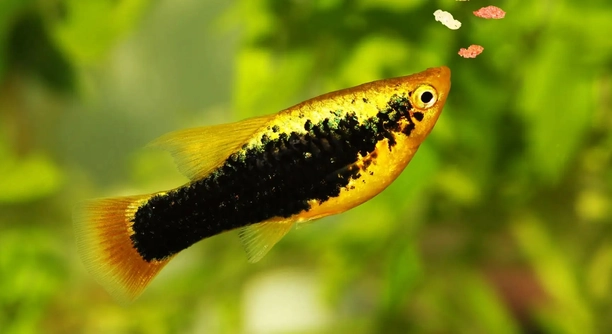
Platies are popular freshwater fish often kept in home aquariums. Many owners enjoy arranging their tanks to create a comfortable space for these lively fish. Understanding how platies respond to their environment can improve their care.
Platies have a limited memory that helps them recognize familiar tank layouts and surroundings. They do not remember complex details but can recall where food is found and identify safe hiding spots within their environment. This memory aids in their daily activities and survival.
Knowing how platies remember their tank setup can help you create a stable habitat for them. This insight improves their well-being and makes your aquarium experience more rewarding.
How Platies Learn Their Tank Layout
Platies use simple cues to learn their tank’s layout. They notice objects like plants, decorations, and hiding places. Over time, they get used to where things are placed. This helps them feel secure and reduces stress. If you change the tank setup often, platies might become confused or anxious. Consistency in the environment supports their memory and daily routines. They remember spots where they find food or shelter and return to those places. By observing their behavior, you can tell if they are comfortable or unsettled with changes.
When you add new items or rearrange decorations, platies need time to adjust. A stable tank setup helps them feel safe.
Providing a steady environment allows platies to develop simple spatial awareness. They learn to navigate the tank, find food sources, and recognize hiding places. This ability supports their natural behavior and improves their overall health. Sudden or frequent changes can cause stress, which may weaken their immune system. To keep platies happy, it is best to introduce changes slowly and watch how they respond. Understanding their limited memory helps create a better habitat and strengthens their adaptation to their surroundings.
Recognizing Familiar Faces and Feeding Patterns
Platies can recognize their caretakers and learn feeding times. They associate people with food and may swim to the front of the tank when it’s time to eat.
Feeding platies on a regular schedule helps reinforce this recognition. They become more comfortable and confident when their routine is predictable. This behavior shows that platies have a memory for simple routines and familiar faces. Maintaining a consistent feeding time supports their trust and reduces stress in their environment.
Impact of Tank Changes on Platies
Sudden changes in tank layout can confuse platies. They rely on familiar surroundings to feel safe, so altering decorations or hiding spots quickly may stress them out.
Stress from changes can lead to hiding behavior or reduced activity. Platies may take days or even weeks to adjust to a new environment. Consistent tank conditions help maintain their comfort and reduce stress. Moving plants or rearranging ornaments too often can disrupt their memory of the space. It’s best to introduce changes slowly and keep some landmarks the same. This way, platies can explore without feeling threatened.
Gradual adjustments allow platies to relearn the tank setup with less anxiety. Keeping feeding spots and shelters consistent helps them adapt better. If changes are necessary, spacing them out over time reduces stress. Platies thrive in stable environments where they can recognize their surroundings easily. This improves their behavior and health.
Signs Your Platies Remember Their Tank
Platies that remember their tank tend to swim confidently around familiar areas. They use known hiding spots and return quickly to feeding zones.
When platies recognize their setup, they show less stress and more exploration. Their movements become purposeful rather than random. You may notice them waiting near feeding areas or greeting you at feeding time. These behaviors indicate they have learned and remember their tank environment. Recognizing these signs can help you understand how well your fish have adapted to their home. Observing their comfort levels also guides you on how much change they can handle without stress.
How Platies Use Their Senses
Platies rely mostly on sight to recognize their tank. They notice shapes, colors, and movement around them. This helps them remember key places like feeding spots and hiding areas.
Their sense of smell also plays a role. They can detect familiar scents in the water, which adds to their memory of the tank.
Creating a Memory-Friendly Tank Environment
To help platies remember their tank better, keep decorations consistent. Use similar plants and structures to provide familiar landmarks. Avoid rearranging too often. A stable environment supports their learning and reduces stress. Placing feeding areas in the same spot helps build routine. This predictability helps platies feel secure and confident in their space.
The Role of Routine in Platies’ Memory
Daily routines, especially feeding times, strengthen platies’ memory. Consistency helps them recognize when and where food appears. This builds trust and comfort in their environment.
FAQ
Do platies get stressed when their tank setup changes?
Yes, platies can become stressed if their tank setup changes too quickly or too often. They rely on familiar surroundings for security, so sudden changes may confuse or frighten them. Stress can cause them to hide more or reduce their activity. To avoid this, introduce changes gradually and keep some consistent features in the tank.
How long does it take for platies to adjust to a new tank layout?
Adjustment times vary but usually take several days to a few weeks. Some platies adapt faster if changes are small and gradual. Keeping feeding areas and shelters in the same place can speed up this process. Watching their behavior helps you understand how well they are adjusting.
Can platies recognize their owners?
Platies can recognize people who feed them regularly. They learn to associate your presence with food and may swim to the front when they see you. This shows that platies have some memory of familiar faces and routines.
Do platies remember where food is hidden in the tank?
Yes, platies learn where food is usually placed. They use their memory to find feeding spots quickly. Keeping feeding locations consistent helps them develop this habit and reduces stress during feeding times.
What senses do platies use to remember their environment?
Platies primarily use sight and smell to remember their tank. They recognize shapes, colors, and movement. Their sense of smell helps them detect familiar water scents, which supports their memory and comfort in the tank.
Is it better to keep the tank setup the same or change it regularly?
It is better to keep the tank setup mostly the same to help platies feel secure. Frequent changes can cause stress and confusion. Small changes can be introduced slowly, but overall consistency is key for their well-being.
How can I help my platies remember their tank better?
Maintain a stable environment with familiar decorations, plants, and hiding spots. Feed them at regular times and place food in the same area. These practices support their memory and reduce stress, making them more comfortable in their home.
Do platies have long-term memory?
Platies have short to medium-term memory but do not remember complex details long-term. They remember important information like food locations and safe spots for a period, which helps with their daily survival.
What signs show that platies are stressed in a new setup?
Signs of stress include hiding excessively, reduced activity, loss of appetite, or erratic swimming. If you see these behaviors after changing the tank, it means your platies need time to adjust or the environment needs to be more stable.
Can platies learn to navigate a new tank quickly?
Platies can learn to navigate a new tank if changes are introduced slowly. They use their senses to explore and memorize the layout. Providing consistent landmarks like plants and rocks helps them adapt faster.
Platies are small fish that benefit greatly from a stable and familiar environment. Their ability to remember parts of their tank setup helps them feel secure and comfortable in their home. While their memory is not very detailed or long-lasting like some animals, they do recall important things such as where to find food and safe hiding places. Keeping these areas consistent in the tank is important for their well-being. Changes in the tank can be upsetting for platies if done too quickly or too often. This can lead to stress, which affects their health and behavior. It is best to introduce any changes slowly and carefully, giving the fish time to adjust.
A routine is very helpful for platies. Feeding them at the same time each day and placing food in the same spot helps them learn and remember when and where they will eat. This routine builds a sense of security and reduces anxiety. When platies recognize their caretakers and feeding patterns, they become more active and confident. They will swim to the front of the tank to greet you or wait near their food. These small signs show that platies are adapting well and remembering their surroundings. Providing consistent decorations, plants, and hiding spots in the tank also supports their memory. These familiar landmarks help the fish navigate and feel safe.
In summary, platies do have a simple memory that helps them live more comfortably in their aquarium. Respecting their need for stability and routine will improve their health and happiness. Watching how they respond to changes can help you understand when to slow down and maintain consistency. Creating a steady environment with regular feeding and familiar tank layouts makes a big difference for platies. Taking these steps ensures your fish are less stressed and able to thrive. This makes caring for them easier and more rewarding.

Hello,
If you enjoy the content that we create, please consider saying a "Thank You!" by leaving a tip.
Every little bit helps us continue crafting quality advice that supports the health, happiness, and well-being of pets around the world, for pets of all shapes, sizes, and species.
We really appreciate the kindness and support that you show us!