
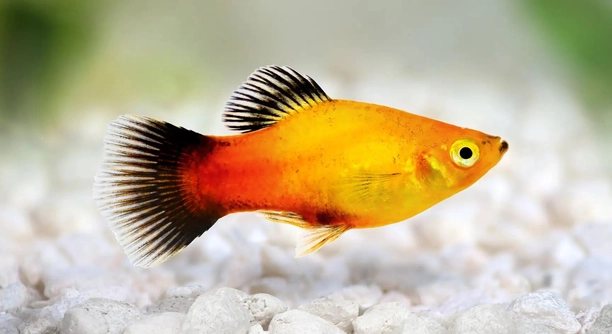
Do you ever find yourself watching your platies swim around and wonder if they can actually recognize the tools you use to feed them?
Platies can learn to recognize feeding utensils through repeated exposure and positive association. This behavior is shaped by their ability to link specific objects with food, resulting in faster and more focused responses during feeding time.
Learning how platies respond to familiar objects can help improve their care and interaction in a home aquarium.
Why Platies React to Feeding Utensils
Platies are quick learners when it comes to food. When you use the same spoon or container during feeding, they begin to connect that object with food. Over time, they associate the motion, shape, and even color of the utensil with meals. This reaction isn’t just random behavior—it’s a form of conditioning. Just like many other fish, platies can develop feeding habits based on visual and routine cues. The more consistent you are, the faster they learn. This is why you might notice them swimming excitedly to the top when they see your hand move toward their tank with that familiar tool. It doesn’t mean they understand the utensil fully, but they learn to recognize patterns that lead to food. Regular feeding schedules, paired with the same objects, help reinforce this behavior. This can make feeding time feel more interactive and even help you monitor their appetite and health.
Platies thrive on routine and familiarity. Repeated actions and recognizable items reduce stress and build a sense of safety.
Some platies may respond quicker than others, depending on age, environment, and previous experience. If they’ve been fed consistently with the same utensil, they’ll likely show signs of recognition faster. Others might take longer or need more repetition to respond.
Signs Your Platies Recognize the Utensil
Swimming rapidly toward the water’s surface when you pick up the utensil is a common sign of recognition. Some might even group together near the usual feeding spot before the food is dropped in.
This behavior isn’t limited to just the utensil. Platies may respond to the sound of the container being opened or your shadow approaching the tank. Recognition may show through increased movement, lip-smacking motions, or excited darting around the water. The important thing to remember is consistency. If you feed them around the same time each day, using the same items, they will likely begin to connect those things with food. This doesn’t mean they have deep understanding, but it does show that they can form simple associations. This makes feeding more efficient and helps you build a stronger routine. Watching for these small cues can also alert you to changes—if they stop reacting, it might signal stress or illness. Keeping an eye on how they respond is part of good aquarium care.
How to Help Your Platies Recognize Feeding Utensils
Using the same feeding utensil every day helps build recognition. Try to keep your movements consistent too—approach the tank slowly, and feed them at the same time each day to reinforce the routine. Small habits like these make a big difference in how quickly they learn.
When feeding your platies, use a utensil that stands out—bright colors or specific shapes can be easier for them to recognize. Stick to the same feeding spot in the tank, so they associate one area with food. Avoid sudden changes in how or when you feed, as this can confuse them. Some platies will begin reacting within a few days, while others may take longer. The key is staying consistent and watching for signs of learning. Over time, you’ll notice they swim up as soon as they spot the utensil, showing that the association is starting to form clearly in their minds.
If your platies seem uninterested, it may be that the routine hasn’t been repeated enough. Make sure your feeding tool is clearly visible from outside the tank. Move slowly, and try making a light tapping sound before feeding—some fish respond well to audio cues. Stay patient. Not all fish learn at the same pace. Avoid switching between utensils, especially during early training. If you maintain a steady routine, most platies will eventually show recognition. It can feel rewarding to see them respond so eagerly, especially when they start swimming to the top before the food even hits the water. This makes feeding time feel more connected and predictable.
What to Avoid When Training Recognition
Avoid switching between different utensils too often, as this can confuse your platies. Stick to one recognizable tool to keep the pattern clear and familiar. Consistency is more effective than variety when it comes to helping them build associations.
Don’t overfeed just to encourage a reaction. This can harm your platies’ health and cause issues with water quality. Recognition should come from routine, not from offering more food. Stay within their feeding needs and keep portions steady during training.
When Your Platies Don’t Respond
If your platies don’t react after several days, check your feeding schedule and environment. Make sure you’re feeding at the same time every day and using the same utensil. Sudden movements or tapping on the glass can make them nervous, so keep things calm and steady. Stress from overcrowding or poor water conditions can also impact their behavior. Clean the tank regularly and monitor water levels to create a healthy space. If they’re still not responding, consider their past experiences. Some fish may take longer to adjust, especially if they came from a different feeding setup. Just stay consistent and patient.
How Environment Impacts Learning
A calm, clean tank makes it easier for platies to focus on patterns and routines. Too much noise, clutter, or movement can distract them. Keep their environment simple and predictable so they can respond more clearly to feeding cues.
FAQ
Can platies tell the difference between feeding utensils and other objects?
Yes, over time, platies can learn to recognize the specific object used during feeding. They do this through repeated exposure and consistent routines. If you use the same utensil each time, they’ll start connecting it with food. However, this recognition is limited to basic visual and behavioral cues. They don’t understand what the object is, but they associate its presence with feeding. If you suddenly switch to a different tool, they may not react the same way right away. It’s best to keep things consistent to avoid confusing them or delaying their recognition.
How long does it take for a platy to recognize a feeding utensil?
It depends on the individual fish and how consistent your routine is. Some platies may begin reacting within just a few days, especially if they are healthy, active, and kept in a calm tank. Others might take a couple of weeks to show consistent signs of recognition. Repeating the same steps at the same time daily helps speed up the process. If your platies aren’t responding quickly, check for distractions or stressors in their environment. A clean, quiet space with regular feeding times is the best setup for faster learning and stronger associations.
Do all platies respond the same way to feeding cues?
No, not all platies react the same way. Some may swim straight to the top when they see the utensil, while others stay near the bottom but still become more active. Younger or more curious platies often respond faster, while older or more timid ones may need more time. Their reaction can also depend on the tank setup, the presence of other fish, and how often you feed them. Watching their behavior over time will help you understand how each fish reacts. Just remember that small differences are normal and nothing to worry about.
What if my platies ignore the utensil after recognizing it before?
If your platies used to react and suddenly stop, it might mean something has changed. Check the water quality, temperature, and look for signs of illness. Fish may also lose interest if they’re overfed or stressed by changes in their surroundings. Try returning to a more consistent schedule and avoid switching utensils. If the tank is clean and their behavior doesn’t improve, consider observing them more closely for signs of health issues. A lack of interest in feeding is usually a sign something isn’t quite right, especially if they’ve learned to respond in the past.
Can platies recognize the person feeding them?
Some fish, including platies, may begin to recognize their owner over time, especially if the same person feeds them regularly. They might swim to the front when you approach or become more active when you stand near the tank. This behavior often comes from routine rather than emotional connection. They associate your presence with food and respond to that. However, if someone new tries feeding them, they might not react the same way at first. Keeping interactions calm and regular can help build more familiarity, even with different people in the household.
Should I use sound cues along with a utensil?
You can add simple sound cues like tapping the glass lightly or shaking the food container. Over time, platies may connect the sound with feeding time, especially if it always happens right before food is given. Just make sure the noise isn’t too loud or frequent, as this could stress them out. Some people find that their fish respond to the sound of the lid being opened or the motion of the container more than the utensil itself. It’s all about consistency—whatever cue you use, stick with it for better results.
Do platies remember feeding utensils long-term?
Platies can remember patterns and associations for a good amount of time if the routine remains the same. If you go on vacation and someone else feeds them with a different tool, they may temporarily forget the original cue. But once you return and resume your usual schedule, the recognition often comes back quickly. Their memory isn’t perfect, but it’s strong enough to form lasting habits. The more consistent your feeding process is, the longer these associations tend to last. They don’t understand the utensil in a deep way—they just learn through habit.
Final Thoughts
Feeding platies is more than just dropping food into the tank. When you use the same utensil every day, you’re teaching them a small routine. Over time, they begin to recognize the tool you use, your movement, and even the time of day. These little habits help them feel more secure and give you a way to better understand their behavior. Watching how they respond to feeding tools can also alert you to any changes in their mood or health. If they stop reacting suddenly, it may be a sign to check their environment or feeding habits.
It’s important to remember that not all platies learn the same way. Some are quicker to respond, while others may take their time. Patience is key. Keeping your feeding method simple and regular helps your fish know what to expect. This consistency is helpful not just for recognition, but for keeping stress levels low in the tank. Loud noises, too many changes, or switching utensils too often can slow down their learning. Even if they don’t seem to react at first, most platies will begin to show signs of recognition with time and routine. It’s a gentle process, and every small step matters.
Using a recognizable utensil can make feeding more efficient and give you a closer connection with your fish. It becomes easier to spot changes in appetite, movement, or behavior. These small moments—when your platy swims to the surface as you lift the spoon—show that they are paying attention and learning from their surroundings. You don’t need fancy tools or tricks to make this happen. A simple, repeated pattern is often enough. In the end, it’s about building a peaceful and predictable routine that works for both you and your fish. Taking the time to create that routine makes feeding time smoother, more enjoyable, and better for their long-term well-being.

Hello,
If you enjoy the content that we create, please consider saying a "Thank You!" by leaving a tip.
Every little bit helps us continue crafting quality advice that supports the health, happiness, and well-being of pets around the world, for pets of all shapes, sizes, and species.
We really appreciate the kindness and support that you show us!