
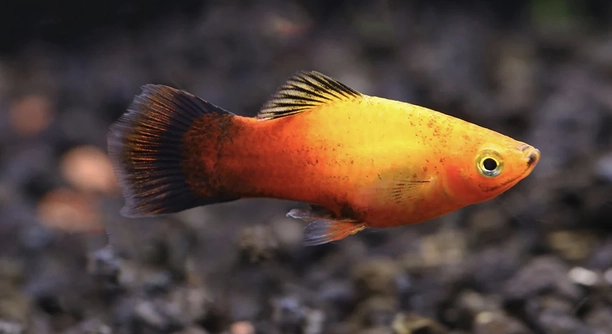
Do you keep platies in your aquarium and wonder about their behavior toward their young? Many fish owners notice interesting interactions between adult platies and their offspring. Understanding these reactions can help create a better environment for your fish.
Platies generally do not show strong recognition or special reactions to their own offspring. Adult platies may behave neutrally or sometimes show mild aggression, as they do not distinguish their young from other fish. This behavior is common among many livebearer species.
Knowing how platies interact with their young helps you manage your tank more effectively. It can influence decisions about tank mates and breeding setups for a healthier fish community.
How Platies Recognize Their Offspring
Platies, like many livebearers, do not have a clear way to recognize their own babies. When platies give birth, the fry look like tiny versions of adults but are very vulnerable. Adults often treat all small fish similarly, without special care for their own young. This is because platies rely more on numbers than parental care to keep their species going. In an aquarium, you might see adult platies swim close to the fry but not protect them. Sometimes, they may even chase or eat the young ones. This behavior can be hard to watch if you want to raise baby platies. To help fry survive, many keepers separate newborns from adults. This gives the babies a safe space to grow without danger. Understanding this natural behavior helps in setting up the right environment for breeding and raising platies successfully.
Adult platies usually do not show affection or protectiveness toward their fry. Their instinct is to focus on feeding and survival instead.
In the wild, this lack of parental care means that many fry do not survive, but enough do to keep the population healthy. In captivity, this means extra care is needed from fishkeepers to protect fry. Using breeding boxes or separate tanks helps prevent adults from harming the babies. Providing plenty of hiding spots with plants or decorations gives fry places to escape. Feeding adults well reduces the chance they will eat the fry out of hunger. Knowing these details makes breeding platies less stressful and more successful for fish owners.
Signs of Aggression Toward Fry
Adult platies sometimes chase or nip at their offspring, especially if they feel crowded or stressed. This behavior is a natural way to reduce competition for food and space in the tank.
Aggression toward fry can increase if the aquarium is too small or if adults are hungry. Keeping plenty of space and food helps lower this risk. Adding dense plants or small hiding places gives fry safe spots to avoid adults. Watching your fish regularly helps spot any aggressive behavior early. Removing aggressive adults or moving fry to a separate tank can protect the young. With the right setup, many fry can grow safely without harm from adults. These small changes can make a big difference in the survival and health of your platy fry.
How to Protect Platy Fry
Separating fry from adult platies is the easiest way to keep them safe. This prevents adults from chasing or eating their young, allowing fry to grow without stress or danger.
Using breeding boxes or small tanks is common among fishkeepers. These containers allow water flow but keep fry out of reach from adults. Another option is densely planting the main tank with live plants. This provides hiding spots where fry can avoid adult fish. Feeding adults regularly also reduces the chance they will hunt their offspring for food. Keeping a clean tank with proper filtration supports fry health. These steps together create a safer environment for baby platies to thrive.
Providing a balanced diet for fry is important. They need small, nutritious foods like baby brine shrimp or finely crushed flakes. This helps them grow strong and develop properly. Monitoring water quality and temperature is equally vital. Fry are more sensitive to changes and poor water than adults. Keeping stable conditions reduces stress and disease risks. With proper care, fry will mature into healthy adult platies ready to reproduce again.
Understanding Platy Behavior in Community Tanks
Adult platies can coexist with other peaceful fish, but fry are vulnerable in these settings. Other tankmates may also prey on or outcompete fry for food. Careful selection of tankmates helps improve fry survival. Small, non-aggressive fish that do not eat fry are better companions.
Providing hiding spaces benefits all small fish in a community tank. Dense plants, caves, or decorations give fry places to escape danger. Keeping the tank clean and well-maintained supports a healthy environment. Feeding all fish adequately reduces competition and stress. Monitoring interactions regularly helps catch any aggressive behavior early. With attention and proper tank setup, community tanks can support platies of all ages safely.
Common Misconceptions About Platy Parenting
Many people assume platies care for their babies, but this is not true. Platies leave their fry to fend for themselves right after birth.
It’s normal for adults to ignore or even eat their offspring. This behavior is natural and part of their survival strategy in the wild.
Tips for Breeding Platies Successfully
Breeding platies requires careful planning. Separate pregnant females into breeding tanks before they give birth. Provide plenty of plants or breeding mops for the fry to hide in. Feed the fry small, nutritious foods several times a day. Maintain stable water conditions and clean the tank regularly. Monitor for any signs of stress or aggression and adjust the setup as needed. This care improves survival rates and helps fry grow strong and healthy.
When to Separate Fry from Adults
Separate fry immediately after birth or as soon as you notice adults showing aggressive behavior. This prevents loss and promotes better growth.
FAQ
Do adult platies recognize their own offspring?
Adult platies do not recognize their own fry. They treat all small fish the same, without special care or protection. This lack of recognition means adults may ignore, chase, or even eat their young. It is a natural behavior seen in many livebearer species.
Why do adult platies sometimes eat their fry?
Eating fry is a common survival behavior. Adults may eat their babies to reduce competition for food or space. Hunger can also drive adults to eat fry if they are not fed enough. This behavior helps ensure the strongest offspring survive in nature.
Can I keep fry with adult platies safely?
Keeping fry with adults is risky because adults may harm or eat the young. To increase fry survival, it’s best to separate them until they grow large enough to avoid being targeted. Providing hiding spaces can help, but separation is more reliable.
How can I protect platy fry in a community tank?
Use dense plants and decorations as hiding spots for fry. Choose peaceful, small tankmates that won’t prey on fry. Feed all fish regularly to reduce aggression. Regular monitoring is key to spotting problems early and protecting the fry.
What is the best food for platy fry?
Platy fry need small, nutritious foods. Baby brine shrimp, crushed flakes, or specially made fry food are good options. Feeding small amounts multiple times a day helps fry grow healthy and strong. Proper nutrition supports their development during this vulnerable stage.
How often should I feed adult platies?
Adult platies should be fed once or twice daily with a balanced diet. Overfeeding can pollute the tank, so give only what they can eat in a few minutes. Proper feeding keeps adults healthy and less likely to harm fry out of hunger.
When should I separate pregnant platies?
Separate pregnant females a few days before they give birth. This reduces stress and prevents adults from eating the fry immediately. A breeding tank or box provides a safe environment for both mother and fry during this time.
How long do platy fry need to stay separate from adults?
Keep fry separate until they are about 1 inch long or strong enough to avoid being eaten. This usually takes 6 to 8 weeks. Once they are bigger and faster, they can join the main tank safely.
Can I use plants to protect fry instead of separating them?
Plants provide good hiding spots but do not guarantee safety. Some adults will still hunt fry in planted tanks. Using plants alongside separation methods gives the best chance for fry survival.
What water conditions are best for platy fry?
Stable, clean water with a temperature around 74–78°F (23–26°C) is ideal. Fry are sensitive to changes in water quality, so regular water changes and gentle filtration help keep them healthy. Avoid strong currents that can stress or injure fry.
Is it normal for adult platies to ignore their babies?
Yes, it is normal. Unlike some fish species, platies do not provide parental care. After birth, fry are independent and adults focus on their own survival instead.
How can I tell if adult platies are being aggressive?
Signs of aggression include chasing, nipping, or constant chasing of fry or other fish. Adults may also corner fry or block their access to food. Watching your tank regularly helps catch this behavior early.
What should I do if adults are aggressive toward fry?
Remove fry to a separate tank or breeding box immediately. If aggression is severe, consider relocating aggressive adults. Keeping a calm and well-fed group reduces stress and helps keep peace in the tank.
Do platies breed often?
Yes, platies are prolific breeders. Females can give birth every 4 to 6 weeks once mature. This means managing fry is a regular task for breeders to prevent overcrowding or loss.
Can platy fry live without hiding spots?
Fry survive better with places to hide. Without cover, they are easy targets for adults and other fish. Providing plants or artificial shelters greatly improves survival chances.
What is the best tank size for breeding platies?
A small breeding tank around 10 gallons is good for separating females and fry. For community tanks, larger setups over 20 gallons reduce aggression and give fry more places to escape.
This FAQ covers common concerns and practical advice for keeping platies and their fry safe. Understanding their natural behavior helps you create the best environment for healthy fish growth.
Platies are lively and colorful fish that many people enjoy keeping in their aquariums. When it comes to their young, it’s important to remember that platies do not care for their offspring like some other animals do. Adult platies treat fry like any other small fish in the tank, sometimes ignoring them or even showing mild aggression. This natural behavior means fishkeepers need to take extra steps to protect the fry if they want them to survive and grow. Understanding this helps set realistic expectations about what to watch for and how to care for both adults and babies properly.
Creating a safe environment for platy fry is key to raising healthy fish. Many people find it helpful to separate pregnant females before they give birth and move the fry to a different tank or breeding box right after birth. Providing plenty of hiding places, such as plants and decorations, is also beneficial whether fry stay in the main tank or in a nursery setup. Feeding fry with small, nutritious foods multiple times a day supports their growth and helps them become strong enough to handle life with adult fish. Maintaining stable water conditions with regular cleaning further ensures fry stay healthy during this vulnerable stage. These simple but important steps make a big difference in the survival rate of platy fry.
Keeping platies healthy and happy requires attention to both adult and young fish needs. Since adults can sometimes harm their babies, separating the two is often the best approach. However, with the right tank setup, plenty of space, and good nutrition, it’s possible to manage a community tank where all platies thrive. Watching your fish regularly will help you spot any signs of stress or aggression early so you can adjust the environment as needed. Knowing what to expect from platy behavior and how to care for their offspring helps you enjoy a beautiful, balanced aquarium where your fish can flourish.

Hello,
If you enjoy the content that we create, please consider saying a "Thank You!" by leaving a tip.
Every little bit helps us continue crafting quality advice that supports the health, happiness, and well-being of pets around the world, for pets of all shapes, sizes, and species.
We really appreciate the kindness and support that you show us!