
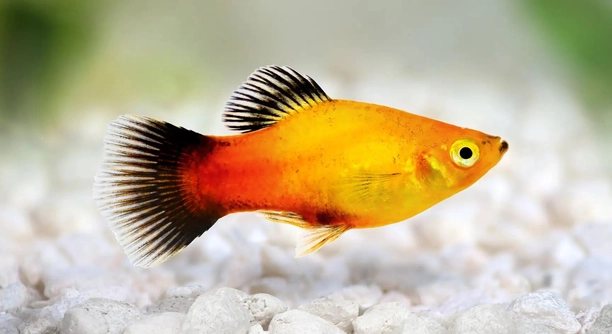
Platies are popular freshwater fish often kept in home aquariums. Many owners notice their behavior changes when shadows appear above the tank. Understanding these reactions can help improve the care and environment for these lively fish.
Platies do respond to shadows cast above their tank by showing signs of alertness or hiding. This reaction is linked to their natural instincts to detect potential threats from above. The behavior helps them stay safe in their environment.
Learning about platies’ sensitivity to shadows can enhance how you set up lighting and decorations in the tank to create a comfortable space for them.
Why Platies Notice Shadows
Platies are small fish that live in environments where being aware of danger is important. Shadows moving above the tank can signal the presence of birds or other predators in the wild. This makes platies cautious. When a shadow passes, they often freeze, swim quickly to cover, or stay close to plants and decorations. This behavior is natural and helps them feel safer. In home tanks, the shadows may come from people walking by, room lighting, or objects near the aquarium. Platies are sensitive to these changes because their eyesight is adapted to detect movement and light shifts. The more shadows and sudden movements they see, the more likely they are to react by hiding or swimming nervously. Knowing this can help you keep the tank environment calm and reduce stress for your fish. Avoid placing bright lamps or moving objects near the aquarium frequently.
Shadows above the tank create a simple yet effective way for platies to stay alert.
Understanding how platies respond to visual changes helps improve their comfort and reduces unnecessary stress in captivity.
How to Minimize Stress from Shadows
Reducing shadows and sudden movements above the tank can make a big difference for your platies. Consistent lighting and avoiding placing the tank in busy areas help. Soft, even lighting that mimics natural conditions keeps platies relaxed and encourages normal behavior. Using plants and decorations also provides shelter where platies feel safe when they notice shadows. These hiding spots give them control over their environment and reduce fear responses. Observing your fish’s behavior during different times of the day can guide you to adjust lighting and room setup. If platies seem nervous or hide often, try changing the light source or location of the tank to find what works best.
Maintaining a calm tank environment with stable lighting helps platies feel secure and thrive.
Platies rely on visual cues to stay safe, so managing their environment is key to their wellbeing. Proper lighting and tank placement reduce stress and support healthy behavior patterns. Adding natural elements like plants not only makes the tank look nice but also provides comfort for the fish. By paying attention to these factors, you can create a peaceful space where your platies feel confident and less reactive to shadows or movement. This helps them stay active, healthy, and visible, making your aquarium more enjoyable to watch.
How Platies Show Their Reaction
Platies often respond to shadows by darting quickly or hiding behind plants. Sometimes, they pause and stay very still, watching the movement carefully before moving again.
This sudden change in behavior is their way of protecting themselves. In the wild, fast movement or hiding helps avoid predators. Even in a tank, their instincts remain the same. They interpret shadows as possible danger and act cautiously. This can make them appear jumpy or shy when shadows pass overhead. Watching these reactions closely can help you understand their mood and needs.
Some platies may get used to shadows over time and show less reaction. Others stay cautious, especially if the shadows are frequent or sudden. Providing a calm environment reduces these stress responses and helps platies feel safe enough to explore without fear.
Best Lighting Tips for Platies
Using soft, indirect lighting helps reduce stress from shadows. Bright, harsh lights create strong shadows and can startle fish.
Position lights so they don’t cast large moving shadows across the tank. Avoid placing the aquarium near windows with shifting sunlight or busy walkways. A timer for lights keeps the lighting consistent, mimicking natural day and night cycles. This routine supports platies’ well-being and reduces nervous behavior caused by unpredictable shadows. Adjusting lighting this way helps platies stay relaxed, swim freely, and interact normally without fear.
Common Signs of Stress in Platies
When platies feel stressed by shadows, they may hide more often than usual. They can also lose their bright colors temporarily.
Stress can cause changes in appetite or make them swim erratically. Watching these signs helps you know when the environment needs adjustment to keep them comfortable.
How Plants Help Platies Feel Safe
Plants provide natural hiding spots that platies use when they notice shadows or feel threatened. Dense foliage offers shelter and reduces their stress levels.
Having live or artificial plants in the tank makes platies feel more secure. This allows them to relax and explore without constant fear of shadows or sudden movements.
Avoid Overreacting to Normal Behavior
It’s normal for platies to be cautious sometimes. Occasional reactions to shadows don’t always mean serious stress.
Understanding this helps you provide better care and avoids unnecessary worry about their behavior.
FAQ
Do platies get scared of shadows all the time?
Platies don’t react to shadows constantly, but they do notice sudden or moving shadows above the tank. Their natural instincts make them cautious when something changes in their environment. If shadows happen frequently, they might become more nervous, but with a calm and steady environment, their reactions usually lessen over time.
How can I tell if my platies are stressed by shadows?
Signs of stress include hiding more often, swimming erratically, or losing their usual bright colors. They may also eat less or seem less active. If these behaviors happen mostly when shadows appear, it’s a good indication the shadows are causing stress.
Are shadows harmful to platies?
Shadows themselves are not harmful, but the stress from frequent sudden shadows can affect their health over time. Stress weakens their immune system and can make them more prone to illness. Minimizing stressful shadows helps keep them healthy.
Can platies get used to shadows?
Yes, many platies can gradually get used to consistent, non-threatening shadows. If shadows are constant but gentle, fish learn they are not dangerous and stop reacting strongly. Sudden or large moving shadows, however, will always cause some alertness.
What kind of lighting is best to prevent stress?
Soft, indirect lighting that doesn’t cast sharp shadows is best. Avoid placing tanks near windows where sunlight changes during the day or near areas with a lot of movement. Using a light timer helps maintain a steady day-night cycle, which supports their natural rhythm.
Do plants really help reduce stress caused by shadows?
Absolutely. Plants offer hiding spots where platies can feel safe when they notice shadows. This reduces their stress and encourages natural behavior like exploring and swimming freely. Both live and artificial plants can work well.
Is it normal for platies to hide sometimes?
Yes, hiding is a natural behavior for platies. It’s their way to protect themselves from possible threats. Occasional hiding doesn’t mean there’s a problem, but if it happens a lot, it may show they are stressed or uncomfortable.
Should I move my tank if my platies react too much to shadows?
If shadows and movements around the tank cause frequent stress reactions, consider moving the tank to a quieter or less busy area. This simple change can make a big difference in how safe your platies feel.
Can other tank inhabitants affect how platies react to shadows?
Yes, other fish or creatures can affect platies’ stress levels. If tankmates are aggressive or noisy, platies may already feel nervous, making them more sensitive to shadows. Keeping peaceful tankmates helps reduce overall stress.
How long does it take for platies to stop reacting to shadows?
It varies. Some platies adjust within a few days, while others take weeks to become comfortable. Consistent lighting, fewer disturbances, and good hiding spots speed up this adjustment period.
What if my platies never stop reacting to shadows?
If platies remain stressed despite changes, evaluate the tank setup. Check lighting, placement, water quality, and tankmates. Sometimes stress has multiple causes, and addressing all factors improves their comfort and behavior.
Does tank size influence how platies react to shadows?
Larger tanks often provide more space and hiding places, which can help reduce stress reactions. Smaller tanks with fewer hiding spots may cause platies to feel trapped and more alert to shadows.
Can I train my platies to ignore shadows?
While “training” fish isn’t the same as with pets, consistent, non-threatening environments help platies become less reactive. Gentle routines and stable lighting reduce fear responses naturally.
What else can I do to help my platies feel secure?
Besides lighting and plants, keeping the tank clean and maintaining stable water conditions supports their health. Avoid sudden loud noises or rapid movements near the tank to keep them calm.
Do platies react differently during feeding times?
Feeding can distract platies, making them less likely to notice shadows. However, sudden shadows or movements during feeding might still startle them briefly.
Is it safe to have a light directly above the tank?
Direct lighting is safe if it doesn’t create harsh shadows or sudden changes. Using diffused or adjustable lights prevents strong shadow effects, reducing stress.
Can I use a hood or cover to control light and shadows?
Yes, a hood helps control lighting and blocks external shadows. It also reduces disturbances from overhead movement, helping platies feel more secure.
Do platies react differently at night?
Platies are less active at night and usually don’t respond to shadows in the dark. Providing a regular light-off period helps them rest and reduces stress.
Platies are naturally cautious fish that rely on their instincts to stay safe. Shadows moving above their tank can trigger these instincts, causing them to react by hiding, freezing, or swimming quickly to shelter. This behavior is normal and shows how sensitive they are to changes in their environment. Understanding this helps aquarium owners provide better care. By noticing how platies respond to shadows, you can make small changes to their tank setup that help them feel more comfortable and secure.
Managing light and shadows in the tank is an important part of caring for platies. Soft, steady lighting that doesn’t create harsh or sudden shadows can reduce stress for your fish. Avoid placing the tank near busy areas or windows where sunlight shifts frequently. Adding plants and decorations gives platies places to hide and feel safe when they notice shadows. These simple adjustments create a more peaceful environment, which helps your platies stay healthy and behave naturally.
Paying attention to your platies’ reactions to shadows allows you to improve their well-being over time. It’s normal for platies to be cautious, but constant stress can affect their health. By creating a calm and stable environment with proper lighting, hiding spots, and minimal disturbances, your platies will feel secure and more relaxed. This helps them thrive, swim actively, and display their bright colors. Taking these steps shows care and respect for your fish’s natural behavior and needs.

Hello,
If you enjoy the content that we create, please consider saying a "Thank You!" by leaving a tip.
Every little bit helps us continue crafting quality advice that supports the health, happiness, and well-being of pets around the world, for pets of all shapes, sizes, and species.
We really appreciate the kindness and support that you show us!