
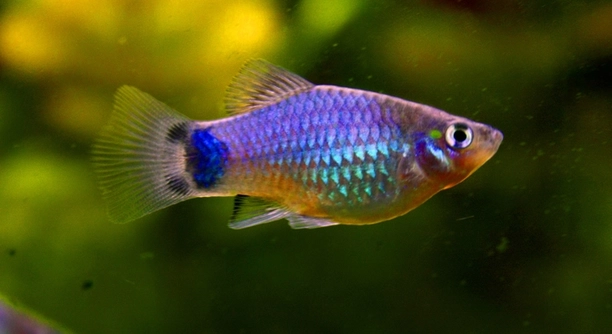
Platies are popular freshwater fish often kept in home aquariums. Many fish owners observe their behaviors closely, especially how platies respond to movement around their tanks. Understanding these reactions can help create a comfortable environment for them.
Platies do react to human movement nearby, showing signs of alertness or curiosity. Their responses vary from slight swimming adjustments to hiding, depending on their temperament and prior exposure to humans. Such reactions are common in small, sensitive fish species.
Observing how platies respond to nearby movement can improve tank management and enhance the overall care of these lively fish.
How Platies Sense Human Movement
Platies rely on their vision and lateral line system to detect changes in their environment. When a human moves near the tank, the fish can see the motion and feel vibrations in the water. These signals alert them to possible changes or threats. In many cases, platies may swim closer to investigate or move away to find shelter. Their reaction depends on how comfortable they feel with the surroundings and the frequency of disturbances. If they are used to people moving around, they might appear less startled. However, sudden or fast movements often cause them to become cautious. Regular, gentle interactions can help platies get accustomed to human presence, reducing stress. Understanding these natural behaviors allows owners to interact with their fish in ways that support their well-being. It is important to observe and adjust how you approach your aquarium to maintain a calm atmosphere for your platies.
The lateral line system in fish helps detect vibrations caused by nearby movement. This system plays a key role in how platies respond to human presence around the tank.
Human movement near the tank affects platies both visually and through water vibrations. These fish use their vision to track motion and their lateral line to sense pressure changes in the water. Fast or large movements can signal danger, prompting platies to hide or swim away. On the other hand, slow, consistent activity may encourage curiosity, causing them to approach the glass. Platies that experience frequent, calm human presence tend to show less fear and behave more naturally. Providing a stable and predictable environment reduces stress, helping platies stay healthy. Owners should avoid sudden movements and try to maintain gentle interactions to support the fish’s comfort. By understanding how platies sense the world, caretakers can better meet their needs and enjoy watching their natural behaviors unfold.
Tips to Minimize Stress from Movement
Slow and steady movements near the tank help platies feel safer. Sudden actions often cause stress and hiding.
To reduce stress for your platies, try to keep your movements calm and predictable around their tank. Avoid tapping on the glass or making sudden gestures that might startle them. Position yourself gently when feeding or cleaning, and give the fish time to adjust if you are introducing new activity near the aquarium. Consistency helps platies become familiar with their environment and the people around it. Using soft lighting and keeping noise levels low can also reduce stress. If the tank is in a busy area, consider creating barriers or adding plants to give your platies places to retreat. These steps promote a peaceful habitat where platies can thrive and display their natural behaviors more openly. Regular observation will help you recognize how your actions influence their comfort and adjust accordingly.
Recognizing Signs of Stress in Platies
Platies may show stress through behaviors like hiding, loss of appetite, or erratic swimming. These signs indicate discomfort, often caused by environmental changes or frequent disturbances.
When platies feel stressed, they tend to hide more often or stay at the bottom of the tank. They may stop eating or swim nervously without a clear direction. Stress can weaken their immune system, making them prone to illness. It is important to monitor these behaviors and identify possible causes. Human movement, loud noises, or sudden changes in lighting can trigger stress. Providing a calm and stable environment helps reduce these reactions. Observing the fish closely allows for timely adjustments, preventing long-term health problems.
Keeping the tank clean and maintaining proper water conditions are essential to minimize stress. Introducing hiding spots like plants or decorations also helps platies feel secure and less exposed to outside disturbances.
How to Build Trust with Your Platies
Building trust with platies involves consistent, gentle interactions and a calm environment. Over time, fish become more comfortable with human presence.
Spending quiet moments near the tank without sudden movements helps platies get used to your presence. Feeding them by hand or using feeding tools regularly creates positive associations. It is important to avoid tapping the glass or making quick gestures, which can scare the fish. Gradually, platies learn that humans are not threats. A calm atmosphere with dim lighting and low noise supports this process. Trust is built slowly, but once established, platies may even swim closer or show curiosity when you approach. Patience and consistency in your care routine are key to fostering this bond.
Adjusting Your Movements Around the Tank
Platies respond better to slow and steady movements near their tank. Quick or sudden motions tend to frighten them, causing stress or hiding.
Keeping a calm presence helps the fish feel safe. Moving gently when feeding or cleaning makes a big difference in their behavior and comfort.
Lighting and Its Effect on Platies
Lighting plays a crucial role in how platies react to their surroundings. Bright or flashing lights can cause stress and sudden movements. Soft, consistent lighting helps create a peaceful environment where platies feel more secure and relaxed. Adjusting the light duration to mimic natural day and night cycles supports their well-being. A well-lit tank without harsh glare reduces sudden reactions to shadows or reflections, making human movement near the tank less intimidating. Proper lighting also enhances the fish’s natural colors and overall health.
Using Tank Decorations to Reduce Stress
Plants and decorations give platies safe spots to hide from sudden movements and feel protected.
FAQ
Do platies get scared when people move near their tank?
Yes, platies can get scared by sudden or fast movements near their tank. Their natural instinct is to avoid potential threats, so quick gestures often cause them to swim away or hide. However, if they are used to gentle, consistent presence, they usually react less nervously over time.
How can I help my platies get used to human movement?
Approach the tank slowly and avoid sudden actions. Spend time near the aquarium without tapping the glass or making loud noises. Feeding your platies at regular times while remaining calm helps them associate your presence with positive experiences. Consistency is important to build trust.
Why do my platies hide when I walk by?
Hiding is a common stress response. If your movements are sudden or if the environment is noisy, platies may feel threatened and seek shelter. Providing plants or decorations can give them safe spaces and reduce the frequency of hiding.
Can platies recognize their owners?
Platies don’t recognize people like pets do, but they can learn to associate the presence of a person with feeding or safety. This means they may swim toward you if they expect food, showing a form of learned behavior rather than true recognition.
Is it harmful for platies to be stressed by human movement?
Yes, frequent stress weakens their immune system and can lead to illness. Stress can also reduce their appetite and cause abnormal behaviors. Minimizing disturbances and maintaining stable water conditions help keep platies healthy.
How does water vibration affect platies’ reaction to movement?
Platies sense vibrations through their lateral line system. Vibrations caused by movement near the tank or tapping can startle them. Minimizing tapping or loud noises around the tank lowers these vibrations and helps keep platies calm.
Should I cover my tank if I am moving around a lot?
Covering the tank or placing it in a quieter area can reduce stress caused by constant movement. A partially covered tank or adding tall plants helps create a secure environment, limiting the fish’s exposure to sudden changes or shadows.
Does the size of the tank affect platies’ response to movement?
Smaller tanks tend to make platies more aware of nearby movement because the environment feels more confined. Larger tanks with more hiding spots allow them to escape or avoid disturbances more easily.
How long does it take for platies to get used to human presence?
It varies, but generally, platies can adjust within a few days to weeks if they experience calm and consistent interaction. Patience and gentle behavior near the tank speed up this process.
What signs show that platies trust their environment and human presence?
When platies swim openly, come near the glass during feeding, and show relaxed behavior without hiding, it indicates they feel safe. Reduced erratic swimming and increased exploration are also good signs.
Can platies be trained to respond to feeding times?
Platies can learn routines and often swim toward the source of food when it’s time to eat. This behavior is a response to positive reinforcement rather than formal training but shows their ability to recognize patterns.
Is it better to interact with platies through the glass or by hand?
Interacting through the glass is less stressful. While some owners feed platies with tools or fingers, it should be done slowly and carefully to avoid startling them. Most platies do well with gentle presence near the tank.
What should I avoid doing to prevent scaring platies?
Avoid tapping the glass, making sudden or fast movements, turning lights on or off abruptly, and creating loud noises near the tank. Consistency and calm actions help maintain their comfort.
How important is tank placement in relation to human activity?
Placing the tank in a quieter area with moderate foot traffic reduces stress. Avoiding high-traffic zones or areas with sudden noises or vibrations makes the environment more stable for platies.
Do platies react differently to children or adults moving near the tank?
Platies respond to movement speed and noise rather than the age of the person. Children’s unpredictable or fast movements may cause more stress, so encouraging gentle behavior around the tank benefits the fish.
Can platies get used to multiple people moving near the tank?
Yes, platies can adapt to different people if the interactions are calm and consistent. Frequent, gentle exposure helps them become less sensitive to new or multiple individuals near their habitat.
How often should I observe my platies to understand their comfort with movement?
Daily observation is ideal to notice changes in behavior. This helps identify stress signs early and adjust your actions or the environment to better suit their needs.
Are there specific times when platies are more sensitive to movement?
Platies may be more sensitive during feeding, breeding, or when new to a tank. During these times, minimizing disturbances helps maintain their well-being and supports natural behaviors.
What role does diet play in how platies respond to stress?
A balanced diet strengthens their immune system, making them more resilient to stress. Poor nutrition can worsen stress effects and slow recovery from disturbances.
How can I create a routine that helps platies feel secure?
Feeding at regular times, maintaining stable water conditions, and moving calmly around the tank every day build a predictable environment. Consistency reassures platies and reduces stress responses.
Platies are sensitive fish that notice movement around their tanks. Their natural instincts make them respond to changes in their environment, including human movement. Understanding these reactions helps provide a better home for them. When people move slowly and calmly near the tank, platies tend to feel safer and less stressed. Sudden or fast movements often make them nervous, causing them to hide or swim away. It is important to create an environment where platies can feel comfortable and secure.
Providing proper tank conditions also plays a big role in how platies react to movement. Clean water, steady lighting, and quiet surroundings reduce stress for the fish. Adding plants and decorations gives them places to hide if they feel threatened. This allows platies to manage their stress in a healthy way. The more comfortable and stable their environment, the better their overall health and behavior will be. Careful attention to these details helps maintain a peaceful habitat where platies can thrive.
Patience is key when interacting with platies. Over time, they can become more familiar with human presence and react less nervously. Consistent, gentle actions near the tank build trust and help the fish feel safe. Watching their behavior closely makes it easier to understand what causes stress and how to prevent it. By respecting their needs and adjusting your approach, you can enjoy a peaceful and rewarding relationship with your platies. Creating a calm atmosphere benefits both the fish and the people caring for them.

Hello,
If you enjoy the content that we create, please consider saying a "Thank You!" by leaving a tip.
Every little bit helps us continue crafting quality advice that supports the health, happiness, and well-being of pets around the world, for pets of all shapes, sizes, and species.
We really appreciate the kindness and support that you show us!