
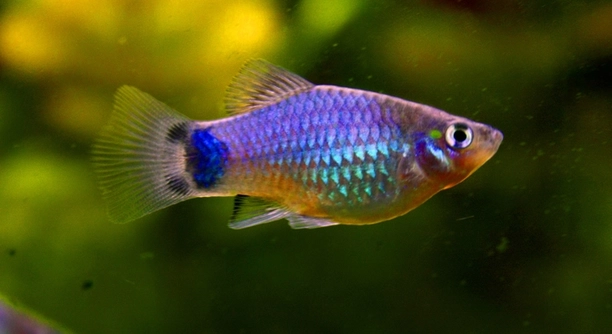
Have you ever looked into your aquarium and noticed your platy fish acting differently when they’re alone compared to when they’re in a group?
Platies are social fish by nature and generally thrive in groups rather than alone. While they can survive solo, living in small shoals supports their natural behavior, reduces stress, and encourages healthier interactions in a shared aquatic environment.
Learning about their social needs can help you create a healthier tank environment and better understand their day-to-day behavior.
Why Platies Prefer Company Over Solitude
Platies are naturally social and active freshwater fish that feel safer and more relaxed when surrounded by others of their kind. In the wild, they often swim in groups to reduce the risk of predators and to help each other locate food. This instinct carries over into home aquariums. When kept alone, platies can become stressed, less active, or even show signs of poor health. Group settings encourage more natural behaviors like playful swimming, foraging, and establishing social roles. While they don’t form tightly structured schools like some species, they still benefit from living in small groups of at least three to five. The presence of companions reduces anxiety and supports a balanced aquarium environment, making it easier to spot any changes in mood or health. For platy owners, keeping them in a group not only improves their overall well-being but also makes the tank more lively and enjoyable to watch.
Platies are peaceful by nature, so they rarely show aggression when housed with others. This makes group living smoother and less stressful.
A single platy may survive alone, but it likely won’t thrive. Isolation can lead to boredom, stress, or depression in these fish. Group dynamics offer stimulation, stability, and an environment closer to their natural needs.
Signs Your Platy May Be Lonely
Platies kept alone may appear lethargic, hide more often, or stop eating as actively as they once did. These signs can be subtle but are worth noticing.
When a platy is lonely, the lack of interaction can cause behavioral changes that are easy to miss. You may find them spending long periods at the bottom of the tank or avoiding areas where they once freely swam. They may also show a duller coloration, which is often linked to stress or unhappiness. Platies are very responsive to their environment, and without companions, they miss out on the mental and physical stimulation that comes with group activity. While a healthy tank setup matters, it can’t replace social engagement. Owners often report more vibrant colors, better appetite, and playful swimming patterns once their lone platy is joined by a few others. Watching how quickly their mood shifts in a group can be a clear sign that these fish were simply missing social interaction.
Best Tank Setup for Social Platies
A group of platies needs a tank that supports their active swimming and social behavior. A minimum of 10 gallons is recommended for a small group, with clean, filtered water and stable conditions.
To keep platies healthy and comfortable, provide plenty of space and hiding spots. A planted tank with live or artificial plants, smooth rocks, and open swimming areas helps mimic their natural environment. Platies prefer calm water with a gentle filter flow. Maintaining a consistent water temperature between 72°F and 78°F and a neutral pH supports their health. Lighting should be moderate, not too harsh. Make sure the tank isn’t overcrowded, as too many fish can cause stress, even for social species. Keeping a good balance ensures there’s room for everyone to move freely without competition. A well-planned setup encourages group interaction and makes the fish feel safe enough to show their natural, lively behavior.
Platies are peaceful and do well in community tanks with other non-aggressive species. Suitable tank mates include mollies, guppies, and cory catfish. Avoid housing them with fin-nipping or overly territorial fish. When adding tank mates, monitor behavior during the first few days. A calm tank environment helps reduce stress and encourages healthy group dynamics for all fish involved.
How Many Platies Should You Keep?
Keeping platies in small groups of at least three helps support their social behavior. Larger groups are fine if the tank size allows space and proper filtration.
A group of five to six platies in a 20-gallon tank provides enough room for swimming and helps distribute social interaction evenly. Smaller numbers can lead to one fish being isolated or stressed. Having more than three also prevents one fish from becoming a constant target of attention. Male-to-female ratios should be balanced to prevent one female from being harassed too much. A good rule is one male to two or three females. If you keep only males, make sure the group is even in temperament, as some males may become territorial. Watching their interactions can help you spot signs of stress or bullying early on. A well-balanced group keeps the tank peaceful and helps platies thrive.
Common Mistakes When Housing Platies
Keeping a single platy in a tank is one of the most common mistakes. While they can survive alone, it often leads to boredom, stress, and unnatural behavior.
Another mistake is overcrowding the tank. Too many fish can reduce water quality and cause social tension, even among peaceful species like platies.
Adjusting Group Size Over Time
As your tank matures or your platies reproduce, you may need to adjust the group size. Platies breed easily, and fry can quickly increase the number of fish in your tank. If space becomes tight, consider rehoming some to maintain a balanced environment. Regular monitoring helps prevent overcrowding and stress. A good filtration system becomes more important as your group grows. Adding more hiding spots can help reduce minor conflicts as the social structure shifts. Make sure your tank’s bio-load stays manageable by doing consistent water changes. Growing groups can thrive with a little planning and care.
Final Thoughts on Platy Social Needs
Platies are happiest in small, peaceful groups where they can interact freely. A well-planned tank setup helps support their natural behavior and long-term health.
FAQ
How many platies should be kept together?
A group of at least three platies is recommended for their well-being. This small group size helps them feel secure and allows natural social behaviors to develop. In a 10-20 gallon tank, five to six platies work well. Larger tanks can support more, but overcrowding should be avoided to maintain water quality and reduce stress.
Can platies live alone?
Platies can survive alone, but it’s not ideal for their health or behavior. Without companions, they may become stressed, inactive, or show signs of depression. Keeping platies in groups provides stimulation and reduces anxiety, helping them stay more active and colorful.
What are signs of stressed or lonely platies?
Stressed or lonely platies may hide frequently, swim sluggishly, or lose interest in food. Their colors can become dull, and they may spend more time near the tank bottom. These behaviors often indicate a need for more social interaction or improved tank conditions.
Are male and female platies different in social needs?
Both male and female platies benefit from group living, but their social dynamics differ. Males sometimes show mild territorial behavior or compete for females, so it’s best to keep one male with multiple females to reduce stress. Females usually get along well in groups.
Can platies live with other fish?
Platies are peaceful and do well with other calm, non-aggressive species like guppies, mollies, and cory catfish. Avoid keeping them with aggressive or fin-nipping fish, as this can cause stress or injury. Compatibility helps maintain a calm, social environment for everyone.
How can I tell if my platies are happy?
Happy platies swim actively, explore their tank, and interact with other fish. Their colors appear bright and consistent. They eat regularly and show natural behaviors like foraging and gentle chasing. Observing their daily activity helps you know when they’re thriving.
What tank conditions support social platies?
Maintain water temperatures between 72°F and 78°F and keep pH near neutral (6.8–7.8). A clean, filtered tank with moderate lighting and plenty of plants or decorations provides hiding spots and swimming space. Stable, calm water helps reduce stress in groups.
How often should I clean the tank for a group of platies?
Regular maintenance is key. Partial water changes of 20-25% every week or two keep water quality high. Cleaning filters and removing uneaten food also prevent harmful buildup. A clean tank supports healthy social interactions and fish longevity.
Do platies breed easily in groups?
Yes, platies breed readily when kept in groups, especially with a higher ratio of females to males. If you don’t want fry, you may need to separate males or use breeding traps. Otherwise, be prepared to manage an increasing population.
What do I do if a platy is bullied in a group?
If one fish is picked on, try increasing hiding spots and decorations. Rearranging the tank layout can help reset social hierarchies. If bullying continues, consider separating the affected fish to prevent injury and stress. Monitoring behavior is important for group harmony.
Can I keep only male platies?
Keeping only males is possible but requires attention. Males can sometimes become territorial or aggressive towards each other. Ensure you have enough space and observe their interactions closely. Grouping more than three males can sometimes lead to conflicts, so monitor them carefully.
How do I introduce new platies to an existing group?
Introduce new platies slowly by quarantining them first to prevent disease. When adding them, rearrange tank decorations to disrupt established territories. Introduce fish during feeding times to reduce aggression. Watch closely for any signs of stress or fighting after introduction.
What food is best for social platies?
A varied diet including high-quality flakes, pellets, and occasional live or frozen foods like brine shrimp or bloodworms keeps platies healthy. Feeding small amounts twice daily prevents overfeeding and maintains water quality. Balanced nutrition supports their energy for social behavior.
Platies are naturally social fish that do best when kept in small groups. Their behavior in groups shows they feel safer and more comfortable with company. When alone, they may become stressed or less active, which can affect their health. Providing a group environment allows platies to display their natural behaviors like swimming actively, exploring the tank, and interacting with each other. A group of at least three platies is recommended to give them a sense of security and encourage healthy social interactions. This setup helps reduce loneliness and promotes overall well-being, making the tank more lively and enjoyable to watch.
Setting up the tank correctly is important for supporting social platies. A tank of suitable size, generally 10 gallons or more for a small group, with proper filtration and stable water conditions is essential. Including plants, decorations, and hiding spots allows the fish to feel safe and reduce stress. It also gives them space to swim freely and interact comfortably. Maintaining clean water, a moderate temperature, and a balanced pH level helps keep the fish healthy and active. Avoid overcrowding the tank, as too many fish can cause tension and poor water quality. Paying attention to these factors creates an environment where platies can thrive both socially and physically.
Understanding the social needs of platies improves their quality of life and makes caring for them easier. Watching their behavior can reveal signs of stress or loneliness, which are often preventable by adjusting tank conditions or group size. When kept in balanced groups with compatible tank mates, platies show brighter colors, better appetite, and natural activity levels. Proper feeding, regular tank maintenance, and careful monitoring of fish interactions help maintain a peaceful community tank. Overall, keeping platies in groups with a well-planned environment supports their natural instincts and leads to a healthier, more vibrant aquarium.

Hello,
If you enjoy the content that we create, please consider saying a "Thank You!" by leaving a tip.
Every little bit helps us continue crafting quality advice that supports the health, happiness, and well-being of pets around the world, for pets of all shapes, sizes, and species.
We really appreciate the kindness and support that you show us!