
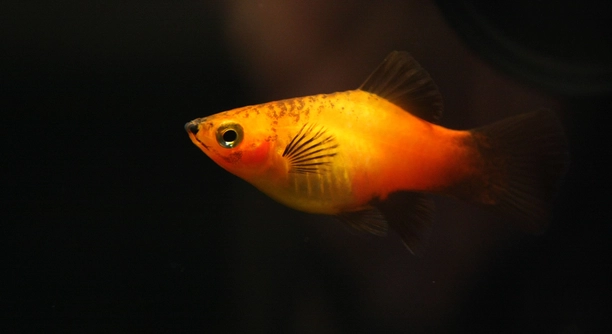
Do you ever find yourself watching your platies and wondering if they feel safer hiding or more excited when exploring their tank?
Platies are naturally active fish that enjoy exploring their environment, but they also seek out hiding spots when stressed or threatened. Their behavior depends on tank conditions, social dynamics, and overall health.
Understanding these behaviors can help you create a more balanced, comfortable space that encourages both safety and activity for your platies.
Why Platies Hide in the Tank
Platies often hide when they feel unsafe or stressed. Sudden movements, loud noises, or aggressive tank mates can cause this behavior. Even changes in water temperature or poor water quality may push them to retreat. Hiding helps them feel secure and regain a sense of control. It’s also common for new platies to stay hidden while they adjust to their environment. Female platies might hide when pregnant, seeking privacy and safety before giving birth. When hiding becomes frequent or excessive, it’s usually a sign that something in the tank setup isn’t right and needs adjustment.
A few hiding spots in the tank are normal, but consistent hiding from all fish often points to stress or discomfort.
If your platy hides too often, check the water parameters and observe any aggressive fish in the tank. Adding plants, caves, and decor provides cover while still encouraging natural behavior. A peaceful tank helps reduce stress.
Why Platies Explore Their Environment
Healthy platies love exploring. Their curious nature drives them to swim through plants, investigate tank decorations, and interact with other fish. Exploring helps them stay active and mentally stimulated. It’s also a sign that the environment feels safe.
When platies explore, it shows they are comfortable in their surroundings. This behavior is more common when the tank setup suits their needs. A well-maintained tank with clean water, steady temperature, and plenty of swimming space encourages activity. Live plants, gentle water flow, and colorful decor can also attract their attention and encourage exploration. Tank mates matter too—non-aggressive companions reduce fear and support a stress-free space. Feeding routines can also influence their movement, as they’ll learn when and where to expect food. When everything in the tank supports their natural behavior, platies feel free to move around. Watching them explore is a clear sign that you’ve created a space they enjoy living in.
How Tank Setup Affects Behavior
Tank setup plays a major role in whether platies hide or explore. If the tank lacks hiding spots or has harsh lighting, platies may become stressed. Proper decoration and calm surroundings help them feel more at ease.
A well-planned tank encourages natural behavior. Use live or artificial plants, smooth rocks, and small caves to give your platies places to hide when they feel unsafe. These additions don’t just offer protection—they also create areas for exploration. Avoid bright lighting, especially in bare tanks, as it can make them feel exposed. Subdued lighting, floating plants, and gentle water movement promote a peaceful space. Always choose tank mates that won’t chase or bully your platies. Aggression from others often forces them into hiding. When they feel safe and stimulated, they will explore more often. Balancing hiding places and open space creates an environment that supports both comfort and activity.
Water quality also impacts their behavior. Unstable or poor conditions can make platies nervous. Check the pH, ammonia, nitrate, and nitrite levels regularly. Clean the tank consistently and avoid overfeeding. A dirty tank not only affects their health but also causes stress, leading to hiding. Stable conditions keep your fish calm and more willing to swim freely. Small adjustments can make a big difference in their activity.
Signs Your Platy Feels Safe
A platy that feels secure will swim actively throughout the tank, interact with other fish, and come up to the glass during feeding. It won’t dart around or remain hidden all day. A calm, confident platy displays vibrant colors and eats consistently without hesitation.
You’ll also notice relaxed movement and social behavior in a safe environment. Platies will often swim in open areas, explore tank features, and stay visible for long periods. They may nibble at plants or sift through substrate, showing they are engaged and curious. They don’t show signs of fear like clamped fins, fast breathing, or erratic swimming. These relaxed behaviors are the result of a stable tank, compatible tank mates, and regular care. You can support this by keeping their routine consistent. Feed them at the same time daily and limit noise or sudden changes near the tank. A secure platy is a healthy, active platy that enjoys its space.
Common Reasons for Sudden Hiding
If your platy suddenly starts hiding more than usual, it might be reacting to changes in its environment. A new tank mate, loud noises, or rearranged decor can all trigger stress and cause them to retreat.
Illness can also cause platies to hide. Watch for signs like loss of color, clamped fins, or poor appetite. These symptoms usually indicate that something is wrong and your platy may be trying to protect itself by staying hidden.
Encouraging Exploration Safely
Encouraging your platy to explore begins with stability. Keep water conditions steady and avoid sudden changes in temperature or lighting. Offer a variety of safe decorations like driftwood, leafy plants, and smooth rocks. Feed a balanced diet at regular times. Minimize disruptions around the tank and choose peaceful tank mates. If your platy still hides, avoid forcing it out—let it adjust at its own pace. Consistent care helps build trust and reduces fear. Give them time, keep things calm, and allow their confidence to grow naturally through a predictable, peaceful routine and an enriching environment.
When to Be Concerned
Frequent hiding combined with other symptoms like heavy breathing, white spots, or fin damage could mean illness or bullying. Address these issues quickly.
FAQ
Why does my platy hide all the time?
Platies hide frequently when they feel threatened or stressed. Causes include aggressive tank mates, poor water quality, or sudden changes in the tank. Lack of hiding places can also make them seek shelter in less visible spots. Illness or discomfort may also lead to increased hiding. Monitoring tank conditions and behavior is important to identify and address the root cause.
Can platies get used to exploring more?
Yes, platies can become more confident with a stable environment and gentle care. Providing plenty of hiding spots alongside open swimming areas helps. Consistent feeding times and peaceful tank mates encourage natural exploration. Avoid loud noises or sudden movements near the tank, which can frighten them. Patience and a calm setup are key to helping platies become more active.
Do platies prefer planted tanks or bare tanks?
Platies generally prefer tanks with live or artificial plants because they offer shelter and stimulate natural behaviors. Plants provide hiding spots and make the tank feel safer. Bare tanks can stress platies since they lack places to retreat. Including a mix of plants, decorations, and open space supports both hiding and exploring.
How can I tell if my platy is stressed?
Signs of stress include hiding often, clamped fins, loss of color, erratic swimming, and loss of appetite. Stress can also cause rapid breathing or lethargy. Regularly checking water quality and observing tank conditions can help prevent stress. Reducing aggression from other fish and maintaining a calm environment supports your platy’s health.
Is it normal for platies to hide during the day?
Platies are active during daylight but may hide if they feel unsafe. Some may rest in shaded or covered areas. If hiding is constant and prolonged, it usually indicates stress or discomfort. Providing a balance of hiding places and open swimming areas helps them feel secure while encouraging daytime activity.
Will platies hide if they are sick?
Yes, illness often causes platies to hide more. Sick fish tend to avoid interaction and may show physical signs like faded color, clamped fins, or spots. If your platy hides and shows unusual behavior, it’s important to test water quality and consider treatment. Early intervention improves recovery chances.
How many hiding spots should I have for my platies?
It’s good to have multiple hiding spots distributed around the tank. Aim for at least one hiding place per fish. Using plants, caves, or decorations gives platies options depending on their mood and needs. This variety helps reduce stress and supports natural behavior.
Do platies ever stop exploring?
If a platy suddenly stops exploring, it might be stressed, ill, or uncomfortable with the tank conditions. Consistent hiding and reduced activity are warning signs. Review the environment, check water parameters, and observe interactions with tank mates to find possible causes.
What tank mates encourage platies to explore?
Peaceful, non-aggressive fish like guppies, mollies, and tetras generally help platies feel safe enough to explore. Avoid aggressive or territorial species that may chase or bully your platies. A calm, friendly community reduces stress and encourages activity.
Can I encourage my platy to come out by hand-feeding?
Hand-feeding can help build trust if done gently and consistently. Offering food at the same spot and time daily makes your platy associate you with positive experiences. Don’t try to grab or chase the fish, as this will scare them. Over time, they may swim closer and become more comfortable exploring near you.
Final Thoughts
Platies are small, lively fish with natural instincts that guide their behavior. Whether they prefer hiding or exploring depends on several factors in their environment. Both behaviors are normal and important. Hiding helps them feel safe when they sense danger or stress. Exploring shows they feel comfortable and curious about their surroundings. Observing how your platies act can give you clues about their well-being. If they hide too much or seem overly timid, it often means something in their tank needs adjustment. On the other hand, active and confident swimming usually points to a healthy and balanced environment.
Creating a tank that supports both hiding and exploring is essential for keeping platies happy. Providing enough plants, caves, and other decorations gives them places to retreat when they feel the need. At the same time, leaving enough open space encourages movement and natural exploration. Water quality plays a big role, too. Stable, clean water helps reduce stress and promotes healthy behavior. It’s also important to choose peaceful tank mates to avoid bullying and aggression. When platies share a calm and suitable space, they are more likely to show their natural curiosity.
Finally, patience and attention to detail matter most when caring for platies. It takes time for them to adjust to new environments and routines. Watching their behavior over days and weeks helps you understand their needs better. Small changes in lighting, decoration, or feeding schedules can make a big difference. When platies feel safe and cared for, they balance their time between hiding and exploring naturally. Paying attention to these details leads to a healthier tank and more enjoyable experience for both the fish and the owner.

Hello,
If you enjoy the content that we create, please consider saying a "Thank You!" by leaving a tip.
Every little bit helps us continue crafting quality advice that supports the health, happiness, and well-being of pets around the world, for pets of all shapes, sizes, and species.
We really appreciate the kindness and support that you show us!