
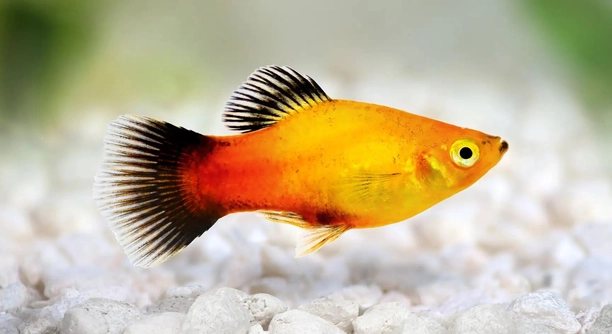
Are your platies spending most of their time hovering over one side of the tank and ignoring the other completely? Substrate choice can affect their comfort and behavior, especially when it comes to swimming and foraging habits.
Platies generally prefer sand over gravel due to its softer texture and ease of foraging. Sand mimics their natural environment more closely, making them feel safer and more relaxed in a home aquarium setting.
Exploring how different substrates affect your platies can help you create a tank that supports both their comfort and natural behavior.
Why Substrate Matters for Platies
The type of substrate you choose plays a key role in your platy’s day-to-day comfort. These fish are active and curious, often pecking around the bottom of the tank for food. Sand allows them to do this easily, as food doesn’t fall deep between the grains like it does with gravel. Sharp or rough gravel can also irritate their delicate bellies or fins, especially if they spend a lot of time near the bottom. Cleanliness is another factor—sand is easier to keep clean since debris sits on top rather than sinking. In a well-planned tank, the right substrate helps your platies feel secure and stay healthier over time. With sand, they can display more natural behaviors, and this often results in more confident and vibrant fish. Choosing the correct substrate may seem small, but it affects everything from their feeding habits to how active and stress-free they are daily.
Platies are naturally drawn to sand because it supports their foraging habits and reduces irritation during rest.
Soft sand gives your fish more freedom to explore and sift through particles looking for bits of food. It also tends to feel more natural for them, which helps reduce stress. When platies are relaxed, their immune systems stay stronger, and they often show brighter colors.
Gravel vs. Sand: Maintenance and Appearance
Gravel is easier to vacuum during tank cleanings but often traps waste between the rocks.
Sand may take more time to set up initially, but it usually leads to a cleaner and more stable tank long term. Waste and leftover food stay on the surface of the sand, making it simpler to remove with a siphon. Gravel, on the other hand, can hold rotting food and debris between its pieces, which affects water quality. This build-up can lead to cloudy water and higher ammonia levels. Appearance also plays a role—some prefer the polished look of gravel, but sand gives the tank a softer, more natural feel. If you keep other bottom-dwelling species with your platies, such as corydoras or shrimp, sand is often a better match for everyone. It’s also less likely to injure small fish. While both options can work, sand supports the behaviors and needs of platies more consistently in the long run.
Choosing the Best Sand for Your Platies
Not all sand types are safe or practical for platies. Avoid construction sand or anything too coarse, as it can be sharp or contain harmful materials. Aquarium-safe sand is best, especially fine-grain varieties made specifically for freshwater tanks.
Play sand can work if it’s rinsed thoroughly before use, but aquarium sand is more reliable. It’s designed not to affect water chemistry and is easier to clean. Avoid colored or decorative sand unless it’s labeled safe for fish. Some dyed sands can leach toxins over time, which may stress your platies or harm other tank mates. Fine black sand can help show off their bright colors, but be sure it’s smooth and non-compacting. Always check that the sand won’t cloud the water or create gas pockets. A quick test with a magnet can help make sure there’s no metal content in the sand before adding it to your tank.
Once added, stir the sand gently every few weeks to prevent gas buildup underneath. Use a siphon just above the surface to remove waste without disturbing the base too much. Platies often peck around the sand, so keeping it clean helps prevent bacteria from spreading and keeps them more active. Clean, fine sand also gives the tank a peaceful, natural look.
How to Switch from Gravel to Sand Safely
Changing from gravel to sand can be done without removing the fish, but take it slow to avoid stress. Start by cleaning a portion of the gravel, then use a scoop or siphon to remove small sections at a time over a few days.
Add the sand in layers, gently rinsed beforehand, to prevent clouding. Avoid dumping all the sand in at once. Doing this gradually helps keep the beneficial bacteria in place, which is important for your tank’s cycle. After each addition, wait for the water to settle before continuing. Monitor your filter during the process—it may need cleaning more often until the sand fully settles. Keep your platies fed and try not to stir up the tank too much. Once the switch is complete, your platies should begin exploring the new substrate naturally, showing more relaxed and curious behaviors over time.
Common Mistakes When Using Sand
Some people forget to rinse the sand before adding it, which causes cloudy water that takes hours or even days to clear. Always rinse thoroughly to avoid this problem and protect your filter from clogging.
Using too thick a layer of sand can lead to trapped gases. Keep the depth under two inches and stir it lightly during regular cleanings to release any buildup and keep the tank healthy.
Signs Your Platies Like the Sand
If your platies are calmly swimming near the bottom, sifting through the sand, and showing bright colors, they’re likely comfortable. You may also see them nibbling at the surface of the sand for leftover food. These are good signs that the environment is helping them stay active and stress-free.
Final Thoughts on Substrate Choice
Even small changes like switching to sand can make a noticeable difference. Your platies will likely become more relaxed and active with the right substrate.
FAQ
Can platies live with gravel instead of sand?
Yes, platies can live with gravel, but it’s not ideal. Gravel tends to trap waste and leftover food deep between the stones, making it harder to clean. It can also be rough on their bodies, especially when they rest or forage near the bottom. Some gravel types have sharp edges that might cause irritation or injury. If you already use gravel, choose a smooth, rounded variety and keep up with regular tank maintenance. Platies will adapt, but their behavior may change slightly if they aren’t fully comfortable. They may become less active or avoid the bottom altogether.
What type of sand is best for platies?
Fine aquarium sand is the safest option. It’s made for freshwater tanks and won’t affect water chemistry. Look for natural colors, like beige or black, to bring out your platies’ colors. Play sand can be a cheaper alternative, but it must be rinsed very well before adding it to the tank. Avoid any sand meant for construction or outdoor use, as it can contain harmful materials or sharp particles. Also skip colored craft sands unless clearly labeled as aquarium-safe. The best sand won’t cloud the water, will stay in place, and won’t compact too tightly at the bottom.
How do I clean sand in a platy tank?
Use a gravel vacuum or siphon and hold it just above the surface of the sand. This removes waste without sucking up too much sand. Do not stir the entire sand bed each time, but gently shift small areas every couple of weeks to prevent gas buildup. Uneaten food and debris tend to sit on top of the sand, making it easier to remove than gravel. You don’t need to dig deep—just a light pass across the surface during water changes is enough. Keep your filter clean too, especially in the first few weeks after switching to sand.
Is sand harder to maintain than gravel?
It depends on how you care for your tank. Sand may seem harder at first, especially during the initial setup. Rinsing it properly takes time, and new sand can cloud the water if added too quickly. But once it settles, sand often stays cleaner since waste stays visible on the surface. It’s easier to remove debris with a siphon compared to gravel, where waste sinks out of sight. As long as you stir the sand gently once in a while and avoid overfeeding, maintenance is manageable and becomes routine.
Can I mix sand and gravel in one tank?
It’s not recommended. Gravel tends to sink below the sand over time, making the tank harder to clean and creating layers that trap waste. It can also lead to uneven surfaces, which may stress bottom-dwelling fish or reduce the smooth look you’re aiming for. If you want a mixed appearance, try separating sections with tank dividers, but even then, it requires extra upkeep. It’s better to pick one type of substrate that fits your fish’s needs, and for platies, sand is typically the better choice.
Will sand change the water chemistry in my tank?
Most aquarium sands are inert, meaning they won’t affect water hardness or pH. However, some specialty sands (like those meant for saltwater or cichlid tanks) can raise pH or hardness levels. Always check the packaging. If you use play sand or other non-aquarium sands, test your water regularly in the first few weeks. A magnet test can help you avoid sand that contains metal. As long as you choose fine, inert sand and rinse it well, it should have no negative impact on your water parameters.
Do platies eat food off the sand easily?
Yes, they do. Platies naturally forage at the bottom and will gently peck at the sand to find food. This behavior looks like sifting, and it’s one of the signs they’re comfortable. Sand keeps food near the surface, unlike gravel, where it can fall through the gaps and rot. Just make sure not to overfeed, since food left on the sand can still create water quality problems if not removed. A quick vacuuming during water changes usually takes care of leftover particles.
Can live plants grow well in sand?
Some plants can grow in sand, but root tabs or added nutrients may be needed. Sand doesn’t hold nutrients as well as planted tank soil. Choose hardy root-feeders like Amazon swords or crypts, or floaters like hornwort if you prefer low-maintenance options. Lightly stir the sand around plant bases from time to time to keep the roots healthy and avoid compacting. Be gentle to avoid uprooting them. With the right setup, sand can still support a lush, planted tank that your platies will enjoy exploring.
Final Thoughts
Choosing between gravel and sand might seem like a small detail, but it can make a real difference for your platies. These fish are active and curious, often searching the bottom of the tank for food or a quiet place to rest. Sand supports these natural behaviors better than gravel. It’s softer, smoother, and easier for them to interact with. It also looks more natural in many setups and helps the tank feel calm and peaceful. While gravel can still work, it may not offer the same comfort or ease of cleaning in the long run.
Sand can also help keep your tank cleaner if maintained properly. Waste tends to stay on top of the sand, where it’s easier to remove. With gravel, waste and old food often sink in between the stones, which can affect water quality and make cleaning harder. Sand does take a little more care when you’re setting it up, but once it’s in place and rinsed well, it’s not difficult to manage. Just make sure not to add it too thickly, stir it now and then, and keep your filter clean. Over time, you’ll likely find that it makes your maintenance routine easier rather than harder.
Most platies seem more relaxed and active when they have sand under them. You’ll likely notice them swimming near the bottom more often, sifting through the grains, or foraging for small bits of food. This behavior shows they feel safe and at ease in their space. If you’re already using gravel, there’s no rush to change everything at once. But switching to sand slowly and carefully can make a big difference in the health and happiness of your fish. In the end, the best setup is one that supports their natural behavior and makes care simple for you. Sand checks both of those boxes and is often the better option for both fish and fish keeper.

Hello,
If you enjoy the content that we create, please consider saying a "Thank You!" by leaving a tip.
Every little bit helps us continue crafting quality advice that supports the health, happiness, and well-being of pets around the world, for pets of all shapes, sizes, and species.
We really appreciate the kindness and support that you show us!